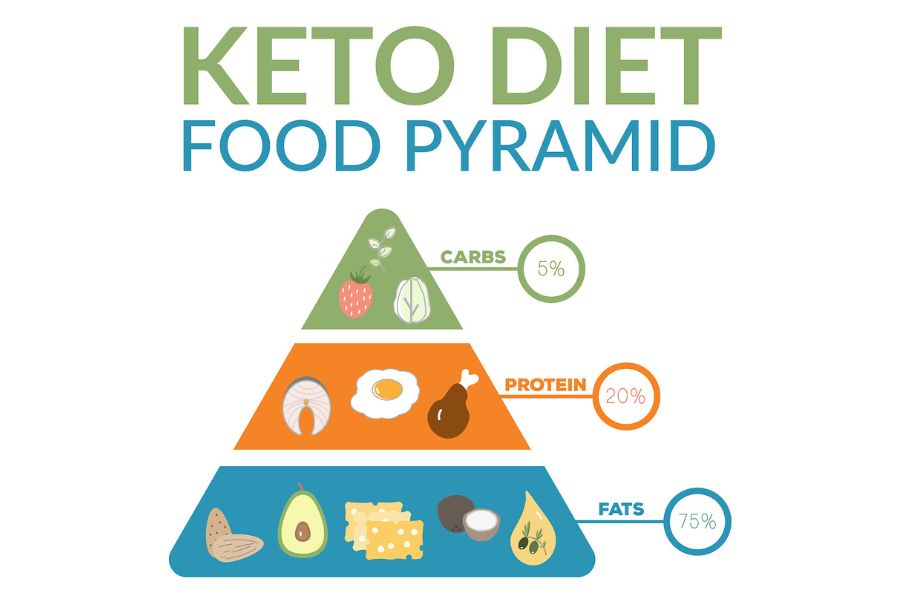
A keto diet meal plan can feel like a big change, but it really comes down to one simple idea. You are trading most of your carbs for healthy fats so your body can switch from burning sugar to burning fat. With a little structure and planning, that shift can support weight loss, steadier energy, and fewer cravings.
Below, you will see how a simple keto diet meal plan works, what to eat in a typical day, and how to set yourself up for success without spending all week in the kitchen.
Understand what a keto diet meal plan actually is
A keto diet meal plan is a way of organizing your food so you consistently eat very few carbohydrates and plenty of fat.
In most classic plans, you keep your carbs to under about 20 grams of net carbs per day so your body enters ketosis and starts burning fat for fuel instead of glucose (Diet Doctor). This usually means focusing your meals on:
- Meat, poultry, fish, and eggs
- Nonstarchy vegetables like leafy greens and zucchini
- Healthy fats like olive oil, butter, avocado, nuts, and seeds
You are not just cutting random foods. You are choosing specific foods that support ketosis and planning them into your breakfasts, lunches, dinners, and snacks.
See how keto can support weight loss and health
When you follow a structured keto diet meal plan, your body adjusts to using ketones, which are made in the liver from fat breakdown, as its main energy source (MercyOne). This shift does a few helpful things:
You often feel less hungry, which makes it easier to eat fewer calories without trying so hard. Research summarized in a 14 day keto plan found that low carb keto diets tend to lead to greater fat loss and better insulin sensitivity than low fat diets in adults with obesity (Diet Doctor).
You also cut out most processed and sugary foods by design. That alone can improve your blood sugar control, reduce big energy crashes, and help with cravings.
Keto is not a magic cure for every health issue, and it does not work for everyone. Still, for many people who want to lose weight or manage blood sugar, a well planned approach can be a practical tool, especially in the short to medium term (Healthline).
Know what you will eat on keto
The list of keto diet foods is broader than it might seem at first glance. You do give up most starchy and sugary choices, but you gain a lot of satisfying, nutrient dense options.
Keto friendly proteins
Animal proteins are the backbone of many keto meals. You can build most lunches and dinners around:
- Fatty fish like salmon, sardines, and mackerel, which also provide omega 3 fats (Healthline)
- Fresh meat and poultry, which contain virtually no carbs and are rich in B vitamins and minerals (Healthline)
- Eggs, with less than 1 gram of carbs per large egg, which tend to keep you full (Healthline)
Some modern reviews have not found a clear benefit to avoiding saturated fat on keto, and eating eggs daily generally has not shown negative cholesterol effects in clinical settings, while helping some people feel more satisfied in the morning (Diet Doctor).
Low carb vegetables and fats
You will rely heavily on low carb vegetables and healthy fats to fill your plate and your appetite. Good examples include:
- Leafy greens like spinach and kale
- Nonstarchy vegetables like peppers, cauliflower, zucchini, spaghetti squash, jicama, and turnips (Healthline)
- Higher fat plant foods like avocados and olives
- Fats and oils such as olive oil, coconut oil, avocado oil, butter, and ghee (Healthline)
Dairy can also fit. Full fat cheeses, small portions of plain Greek yogurt or cottage cheese, cream or half and half, and unsweetened plant milks like almond or coconut milk can all work in moderation as long as you keep an eye on the carb counts (Healthline).
Recognize what you will avoid or limit
To stay in ketosis, you keep total carbohydrates very low, usually under 20 to 50 grams of carbs per day depending on your plan and your body (Healthline). Many people aim for under 20 grams of net carbs, which means total carbs minus fiber (Diet Doctor).
You will be limiting or avoiding:
- Starchy sides like pasta, rice, potatoes, corn, and peas
- Breads, tortillas, baked goods, and most cereals
- Almost all desserts and sugary snacks
- Most beans and legumes
- Sugary drinks and many fruit juices
Experts note that the keto diet excludes most starchy foods and sweets, although some higher fiber fruits such as raspberries can fit in small amounts (UC Davis Health).
It is also worth being cautious with packaged “keto” products. Bars and fat bombs often rely on sugar alcohols like erythritol or maltitol, which add empty calories and can keep sugar cravings alive even if they technically fit your carb numbers (MercyOne).
Follow a sample one day keto menu
To see how a simple keto diet meal plan comes together, imagine a day of eating that keeps you under 20 grams of net carbs and relies on basic grocery store foods.
Breakfast
You could repeat simple breakfasts through the week to save time, which many plans encourage. Ready to go options like Egg White Omelet Bites or keto friendly yogurt with chia seeds and raspberries show up in prepared meal plans for exactly this reason (Whole Foods Market).
At home, you might try:
- Scrambled eggs cooked in butter with spinach and shredded cheddar
- Sliced avocado on the side
- Black coffee or tea without sugar
This gives you protein, fat, and some vegetables to start the day, which helps keep you full until lunch.
Lunch
Leftovers make keto lunches much easier. Some guides scale recipes so you cook for dinner and eat the extra portion at midday the next day (Whole Foods Market).
For example, you might eat:
- Leftover roasted chicken thighs with skin
- A big salad with mixed greens, cucumber, peppers, olives, and olive oil vinaigrette
You stay within your carb budget by choosing nonstarchy vegetables and a simple dressing without sugar.
Dinner
Dinner is where you usually place your more elaborate meal. Many keto plans highlight dishes such as Herbed Prime Rib Roast, Pizza Style Stuffed Portobellos, or pan seared fish with a rich sauce so you do not feel restricted while staying low carb (Whole Foods Market).
A simpler weeknight version could be:
- Baked salmon fillet with lemon and butter
- Roasted cauliflower tossed in olive oil
- Sauteed zucchini with garlic
You finish the day with satisfying protein and plenty of healthy fats, without relying on grains or potatoes.
Snacks and drinks
You might not need snacks once your appetite adapts, but if you do, focus on whole food options like:
- Celery or cucumber sticks with a creamy dip
- A small handful of nuts
- Cheese slices or parmesan crisps
Keto friendly plans often suggest quick snacks such as celery with chipotle dipping sauce, pork rinds, or low sugar chocolate bars for variety (Whole Foods Market).
For drinks, unsweetened coffee, tea, and sparkling water are all fine, as long as you watch for added sugars in flavored varieties (Healthline).
Use simple planning to make keto easier
If you want your keto diet meal plan to feel simple instead of stressful, a little planning goes a long way. The goal is not perfection, it is consistency.
You can make things easier by:
- Choosing 1 or 2 go to breakfasts you repeat most days
- Cooking double portions of dinner and using leftovers for lunch
- Prepping a few vegetables and proteins on one day so you can assemble meals quickly
- Keeping your pantry stocked with basic fats, canned fish, olives, nuts, and low carb sauces
Some ready made keto plans encourage you to organize your ingredients for the week, prep ahead on a single day, and lean on ready to eat items like rotisserie chicken or sashimi when you are short on time (Whole Foods Market). That same strategy works in your own kitchen.
Planning also helps you watch for hidden carbs. Looking at nutrition labels, tracking your intake, and pre portioning foods can keep you under the 20 gram net carb level many people use to maintain ketosis (MercyOne).
Avoid common keto mistakes and side effects
Your body needs time to adjust to keto. In the first week or so you might notice headaches, fatigue, brain fog, or nausea. People often call this the “keto flu.” It usually passes, but there are ways to soften the impact.
Experts suggest drinking plenty of fluids and getting enough salt, such as sipping a cup of bouillon daily, especially at the beginning of your plan (Diet Doctor). When insulin levels drop on keto, your kidneys shed more sodium, potassium, and magnesium, which can lead to fatigue, headaches, or an upset stomach if you do not replace them (MercyOne).
You can support your body by:
- Salting your food generously unless your doctor tells you not to
- Drinking water regularly throughout the day
- Including mineral rich foods like leafy greens, nuts, and seeds
- Considering a multivitamin if your healthcare provider recommends it
Also keep in mind that strict keto is not ideal for everyone. It can affect blood lipids, bone markers, and in some cases athletic performance, and may increase sodium loss and nutrient needs (UC Davis Health). If you are very active, pregnant, breastfeeding, have a medical condition, or take medication for blood sugar or blood pressure, you should talk with a doctor or registered dietitian before you begin.
Decide if keto is right for your lifestyle
There are several styles of keto, from the strict classic version to more flexible modified plans. Some versions allow a bit more protein and carbohydrates, while the Modified Atkins Diet is higher in fat and lower in carbs without strict protein limits (UC Davis Health).
You do not have to follow the hardest possible version for keto to help you. You can start with a simple structure:
- Keep net carbs under about 20 grams per day
- Center each meal on protein, low carb vegetables, and fat
- Use a short, repeatable meal rotation
Most prepared keto plans are designed as guides and often scale recipes for two to six servings, include leftovers for lunch, and recommend that you check in with a health professional before starting or staying on a very restricted diet long term (Whole Foods Market).
You can treat your own keto diet meal plan the same way, as a flexible template that you personalize with your favorite foods and your doctor’s advice.
Take your first simple step
You do not need to overhaul your entire kitchen today. One or two small changes are enough to get started and see how a keto diet meal plan feels in your daily life.
You might try:
- Swapping your usual breakfast for eggs and avocado
- Replacing your usual dinner starch with extra vegetables and olive oil
- Planning three keto dinners for the coming week and using leftovers for lunch
From there, you can build a fuller weekly plan, refine your food choices, and notice how your energy, hunger, and weight respond. With a clear structure and realistic expectations, keto can become a straightforward way to eat, not a complicated short term fix.
About the Author