A keto diet for beginners can feel like a big shift, but it does not have to be confusing. When you understand the basics of ketosis, how to get started, and what to expect in the first few weeks, you can use this way of eating to support weight loss and better health without feeling deprived.
What the keto diet actually is
At its core, a ketogenic diet is a very low carbohydrate, high fat way of eating that puts your body into a metabolic state called ketosis. In ketosis, you burn fat for fuel instead of relying on glucose from carbs. This shift tends to lower blood sugar and insulin levels, which can support weight loss and improve several markers of metabolic health (Healthline).
For most people, keto means:
- Keeping carbs very low, usually around 20 to 50 grams per day
- Eating moderate protein
- Getting most of your calories from fat
When you stick to these ranges, your liver produces ketone bodies from fat. Your brain and muscles can then use these ketones as a steady energy source instead of sugar.
Why the keto diet works for beginners
If you have tried cutting calories before and felt constantly hungry, keto may feel different. Very low carb diets tend to reduce appetite, which means you may naturally eat less without counting every bite or feeling like you are fighting your body all day long (Diet Doctor).
Research gives you a few reasons to consider a keto diet for beginners:
- Studies comparing keto to low fat diets find that people on keto often lose slightly more weight, about 2 pounds more on average in one review, and also see improvements in triglycerides and blood pressure (Healthline).
- Over 35 high quality studies suggest that lower insulin and higher satiety on keto make it easier to tap into fat stores and stick with a reduced calorie intake without strict tracking (Diet Doctor).
You still need a calorie deficit to lose fat in the long term, but keto can make that deficit more comfortable by calming cravings and stabilizing your energy.
Health benefits you may notice
You probably want more than a smaller number on the scale. A well planned keto diet for beginners can support several areas of health, especially if you are starting from a standard high carb diet.
Better blood sugar control
Carbohydrates raise blood sugar more than protein or fat. When you reduce carbs sharply, your blood sugar and insulin levels usually fall, which can be especially helpful if you have prediabetes or type 2 diabetes.
Studies show that people with type 2 diabetes who follow a very low carbohydrate keto diet, often with less than 20 grams of carbs per day, can lower HbA1c significantly and may be able to reduce or even discontinue some blood sugar medications under medical supervision (Diet Doctor, Healthline). If you take diabetes medications, you should only start keto with support from your healthcare provider so your doses can be adjusted safely.
Weight loss and body composition
A keto diet shifts your body toward using stored fat for fuel. In the first week or two, you will likely see a quick drop on the scale. This is partly water weight because your body uses up glycogen, which is stored with water. Over time, continued fat loss depends on sticking with the plan and not overeating, but keto can give you a noticeable early win that keeps you motivated (Northwestern Medicine).
Short term studies of 6 to 12 months show that keto can reduce body weight, triglycerides, blood pressure and HbA1c, and may increase HDL, the so called good cholesterol (Cureus). These benefits tend to weaken after a year, which suggests that long term success depends on picking an approach you can maintain.
Metabolic and hormone support
If you struggle with metabolic syndrome, high insulin levels, or conditions like PCOS, keto may offer extra advantages. Very low carb diets can improve insulin sensitivity and reduce hyperinsulinemia in people with type 2 diabetes (Cureus).
In a small study of women with PCOS following a keto diet with under 20 grams of carbs per day, participants saw significant drops in fasting insulin, the LH:FSH hormone ratio, free testosterone, and body weight over six months (Cureus). This does not mean keto is the only way to manage PCOS, but it suggests carb restriction can be a helpful tool under medical guidance.
Neurological and medical uses
Keto is not new. It was first used in 1921 to treat children with epilepsy who did not respond well to medication. The high fat, very low carb approach forces the liver to make ketones, which appear to have a protective effect against seizures (Mercy). If you are considering keto for epilepsy or another neurological condition, you should only attempt it with a medical team, since the diet must be followed very precisely for seizure control.
How to start a keto diet for beginners
The basic structure is simple, but planning ahead will make your first weeks much smoother.
Step 1: Set your carb limit
To reach and maintain ketosis, most beginners will aim for:
- About 20 grams of net carbs per day for a stricter approach
- Up to 50 grams of total carbs per day if you are easing in
Many structured keto plans suggest staying below 20 grams of net carbs to reliably get into ketosis and enjoy the appetite reducing benefits (Diet Doctor, Healthline). Net carbs are total carbs minus fiber and certain sugar alcohols.
Experts also recommend that instead of cutting carbs from 200 grams to 20 grams overnight, you taper down over a few days or weeks so your body can adapt more comfortably (Everyday Health).
Step 2: Balance fat and protein
On keto, you are not eating unlimited protein. Too much protein can slow the transition into ketosis for some people, because your body can convert some amino acids into glucose. A typical keto breakdown looks like this (Diet Doctor):
- Carbohydrates: about 5 to 10 percent of calories
- Protein: about 20 to 35 percent of calories
- Fat: about 60 to 75 percent of calories, mainly for flavor and satiety
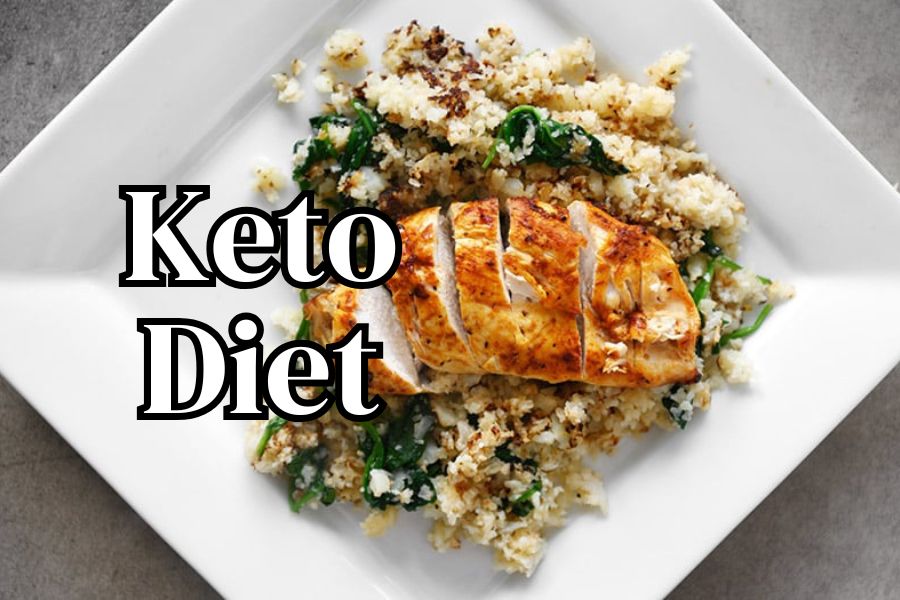
You will build your meals around a source of protein and fat, then add low carb vegetables for fiber and nutrients.
Step 3: Choose the right foods
A keto diet for beginners centers on simple, satisfying foods. You will eat plenty of:
- Meat and poultry
- Fatty fish like salmon and sardines
- Eggs
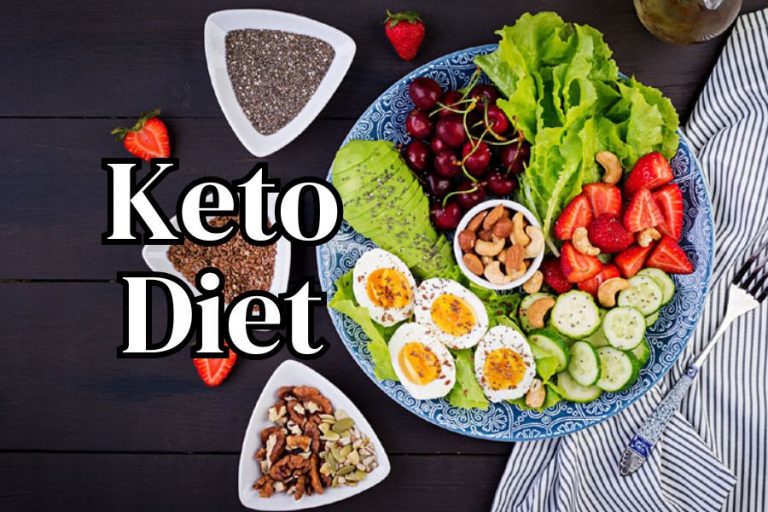
- Non starchy vegetables such as leafy greens, broccoli, cauliflower, zucchini, peppers and cucumbers
- Healthy fats like olive oil, avocado, butter, ghee and nuts
Experts encourage you to favor unsaturated and omega 3 rich fats, such as salmon, sardines and flaxseeds, instead of relying only on bacon and cheese, since these fats are more supportive of heart health and reduce inflammation (Everyday Health). At the same time, recent systematic reviews have not found clear benefits to avoiding saturated fats on keto, and eating eggs daily does not seem to harm cholesterol levels and may improve satiety (Diet Doctor).
Many beginners find it helpful to follow a structured starter meal plan. For example, a 14 day keto plan that keeps net carbs below 20 grams per day can remove some of the guesswork and is often designed for adults with conditions like obesity (Diet Doctor).
Step 4: Plan hydration and electrolytes
When you cut carbs, your body releases water that was stored with glycogen. You also excrete more sodium in your urine when you produce ketones. Both shifts raise your risk of dehydration and electrolyte imbalances if you are not prepared (Everyday Health).
A simple plan is to:
- Drink water consistently through the day. A practical rule is to aim for about half of your body weight in ounces, as suggested by nutrition experts, then adjust for activity and climate (Everyday Health).
- Increase salt intake, since you are cutting many processed salty foods. Season your meals generously and consider a daily cup of salty broth or bouillon, especially in the first week (Diet Doctor).
This alone can prevent many early side effects that are blamed on keto.
What to expect in the first few weeks
The first week on a keto diet for beginners can feel like a mixed bag. You may feel lighter, less bloated, and encouraged by the scale, but you might also run into what is commonly called the keto flu.
The “keto flu” and how to handle it
Keto flu describes several temporary symptoms that can appear in the first days of very low carb eating. These can include:
- Headache
- Fatigue or low energy
- Nausea
- Dizziness
- Brain fog or irritability
- Constipation
Studies suggest these symptoms often start within a few days, peak around the end of the first week, and usually fade over two to four weeks as your body adapts to using ketones instead of glucose (Everyday Health, Cureus).
You can usually reduce the intensity of keto flu by:
- Gradually reducing carbs instead of quitting them suddenly
- Drinking enough water and adding salt and other electrolytes
- Eating enough calories so you are not accidentally under eating by a large margin
Health experts also note that early symptoms like tiredness, headaches and irritability can often be eased by increasing sodium and electrolytes, for example with bouillon or salted foods (Mercy).
Common side effects and risks
Short term side effects of keto are usually mild and settle down. These include diarrhea, constipation, vomiting, fatigue and low exercise tolerance, and they often resolve within days to weeks (Healthline, Cureus).
Longer term, some people may be at risk for:
- Nutrient deficiencies, especially if fruit, legumes, vegetables and whole grains are very limited without careful planning
- Digestive issues or constipation
- Kidney stones
- Increased LDL cholesterol in some individuals
- Very rarely, issues like hepatic steatosis or low protein status (Diet Doctor, Cureus, Northwestern Medicine)
Keto can also be demanding to maintain, especially if you rely on eating out or do not enjoy meal planning. Strict food rules can sometimes encourage disordered eating or rebound weight gain if you later return to your old habits without a transition plan (Northwestern Medicine).
If you have kidney disease, liver disease, a history of eating disorders, or you take medications for diabetes, blood pressure or epilepsy, you should only start keto under medical supervision.
If you are unsure whether keto is right for you, talk with your doctor or a registered dietitian who understands low carbohydrate diets and can help you adapt the approach to your health needs.
Making keto work for your real life
A keto diet for beginners does not need to be a forever decision. You can use it as a focused tool for a few months, then decide whether to continue, loosen your carb limit a bit, or shift to a more moderate low carb style of eating.
To make keto sustainable, try to:
- Keep meals simple, like eggs and avocado for breakfast or salmon with leafy greens and olive oil for dinner.
- Prep a few go to dishes in advance so you are not tempted by high carb convenience food.
- Focus on whole, nutrient dense foods so you cover your vitamin and mineral needs.
- Pay attention to how you feel, not just the scale.
If you are drawn to keto because you want weight loss and better health, remember that the most effective diet is one you can live with. Keto can be a powerful starting point when you understand the science, prepare for the transition, and adjust the details to fit your body and lifestyle.
About the Author