A keto diet can look complicated from the outside, but once you understand the basics it becomes much easier to work with instead of against it. This friendly guide walks you through how the ketogenic diet works, what you can realistically expect from it, and how to set goals that fit your life, not just a number on the scale.
Understand what the keto diet really is
At its core, the ketogenic diet is a very low carbohydrate, high fat way of eating that shifts how your body fuels itself. Instead of relying mostly on carbs, you intentionally lower your carb intake so your body moves into a state called ketosis. In ketosis, you burn fat for energy and produce ketones that help power your brain and other organs (Healthline).
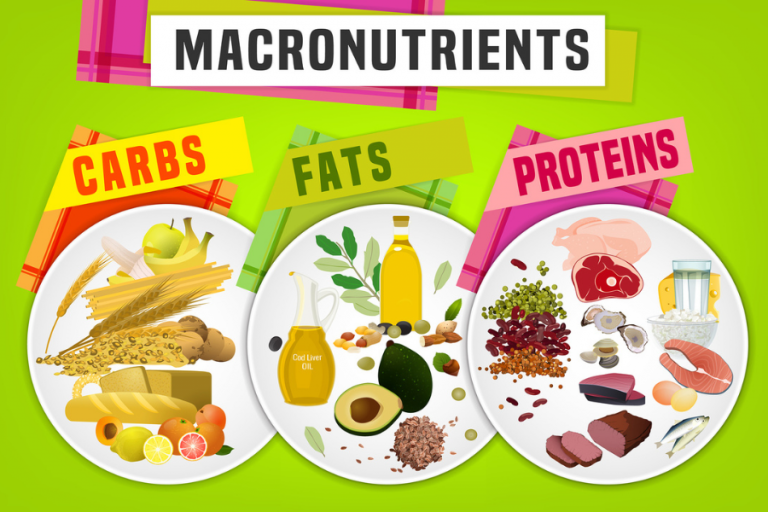
Most classic keto approaches limit you to about 20 to 50 grams of carbohydrates per day, which is far less than a typical Western diet. The usual macro breakdown looks something like 70 to 75 percent of calories from fat, about 20 percent from protein, and around 5 percent from carbs (University of Chicago Medicine). This structure is what nudges your body into ketosis after roughly 72 hours of following the plan closely.
Keto was originally designed in the 1920s as a medical diet to reduce seizures in children with epilepsy, and it is still used that way today (UC Davis Health). Its current popularity for weight loss and blood sugar control is newer, and while there are potential benefits, it is helpful to remember that you are borrowing a medical diet and using it in a lifestyle context.
Decide if keto fits your health picture
Before you set keto diet goals, it is worth asking whether keto is a good match for your body and medical history. The diet has some promising outcomes, especially for certain conditions, but it also carries real risks that you should not ignore.
On the potential benefit side, research shows that keto can support weight loss as well as or slightly better than low fat diets in the short term, sometimes about 2 pounds more on average. Many people also report less hunger, even without counting calories (Healthline). For people with type 2 diabetes, keto has been shown to improve insulin sensitivity by up to 75 percent and can significantly reduce hemoglobin A1C levels, a key marker of blood sugar control (Healthline).
On the risk side, keto is not recommended for everyone. It can increase the chance of nutrient deficiencies such as fiber, magnesium, vitamin C and potassium, and it often leads to constipation, nausea, and the so called keto flu when you first start (Northwestern Medicine). The diet can also put stress on your heart and kidneys, particularly if you eat a lot of saturated fats and animal proteins. This may elevate LDL cholesterol, increase kidney stone risk, and worsen existing kidney disease (Healthline).
Some experts recommend avoiding keto altogether if you have pancreas, liver, thyroid, or gallbladder problems, or if you have a history of disordered eating, since the restriction can be triggering (University of Chicago Medicine). If you take medication for diabetes, especially those that lower blood sugar, you may also need medication adjustments very quickly after starting keto to prevent dangerous hypoglycemia (Healthline).
If you have any of these conditions, or if you are simply unsure, it is wise to talk with your doctor or a registered dietitian before committing to strict keto. You can still use low carb principles in a more moderate way if full keto is not a safe option.
Set keto goals that go beyond the scale
Weight loss might be your main motivation for starting a keto diet, but you will likely do better and feel more satisfied if you define a fuller set of goals. That way, you have more than one measure of success and you are less likely to abandon the plan the moment the scale stalls.
You might aim for a specific weight range, but you can also track non scale victories such as improved energy in the afternoon, fewer cravings, better blood sugar numbers, or simply more confidence in the kitchen. Since keto can help lower A1C and improve insulin sensitivity in type 2 diabetes (Healthline), you might include lab markers in your goals if that applies to you.
It also helps to decide upfront how long you want to follow a strict keto diet. Because long term adherence is difficult for many people, some experts do not recommend it as a lifelong eating style, particularly for weight loss alone (University of Chicago Medicine). A clear time frame, such as 8 to 12 weeks, gives you a natural point to pause, reassess, and adjust.
Learn what you can actually eat
Once you understand your goals, the next step is to get practical about food. On keto you are steering your intake toward high fat, moderate protein, and very low carbohydrate foods. The more you plan ahead, the easier it is to stay in ketosis without feeling deprived.
Keto friendly foods include:
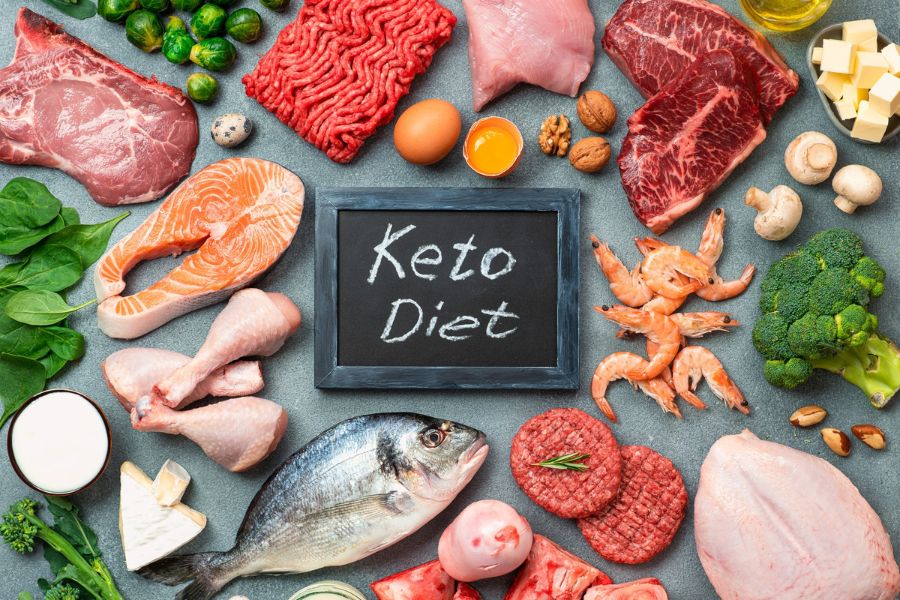
- Animal proteins such as seafood, meat, poultry, and eggs, which are naturally low in carbs and rich in B vitamins, omega 3 fats, and high quality protein that helps preserve lean muscle (Healthline).
- Nonstarchy vegetables like leafy greens, peppers, zucchini, cauliflower, spaghetti squash, olives, and avocados. These add fiber, volume, and micronutrients without pushing your carbs too high (Healthline).
- Nuts and seeds, along with small portions of lower carb berries such as raspberries and strawberries. These foods provide healthy fats, antioxidants, and fiber, and they support fullness between meals (Healthline).
- Fats and oils such as olive oil, avocado oil, coconut oil, butter, and ghee. These are essentially carb free and help you reach the higher fat intake needed to maintain ketosis, although you still want to moderate saturated fat and favor unsaturated fats for heart health (Healthline).
You will be limiting or avoiding grains, sugary foods, starchy vegetables like potatoes and corn, most fruits, and traditional baked goods. Since this removes a lot of fiber and micronutrients from your diet, many people on strict keto benefit from a multivitamin and targeted mineral supplements, especially sodium, magnesium, and potassium (UC Davis Health).
Navigate the first weeks and the keto flu
The first few days of a keto diet often feel noticeably different, and that is normal. As you transition away from carbs, you might experience symptoms like headache, fatigue, brain fog, constipation, nausea, or dizziness. People often refer to this cluster as the keto flu, and it usually shows up within the first week (Healthline).
These symptoms are largely related to dehydration and shifts in electrolytes as your body burns through stored glycogen. You can reduce their impact by drinking plenty of water, lightly salting your food, and including potassium and magnesium rich low carb vegetables such as leafy greens and avocados. Some people find that easing into keto by gradually reducing carbs over a couple of weeks, instead of dropping to 20 grams overnight, also makes the transition smoother (Healthline).
If you feel extremely unwell, or if you notice heart palpitations, severe vomiting, or signs of very low blood sugar such as shaking or confusion, it is important to seek medical advice. Keto flu is typically temporary, but it should not involve serious or frightening symptoms.
Protect your heart, kidneys, and gut
Because keto encourages a high fat intake, it is easy to lean on bacon, butter, and processed meats. That pattern can raise LDL cholesterol and may increase your risk of heart disease, especially if you already have high cholesterol or other risk factors (Northwestern Medicine). You can reduce this risk by choosing more monounsaturated and polyunsaturated fats, for example olive oil, avocados, nuts, seeds, and fatty fish.
Your kidneys and bones also deserve attention. A diet heavy in animal proteins and low in fruits and whole grains can increase the acidity of your blood and urine, which raises the chance of kidney stones and may worsen existing kidney disease (Healthline). Some studies have found that keto may increase markers of bone breakdown, probably due to changes in minerals and acid base balance (UC Davis Health).
Your gut health can be affected as well, since many fiber rich foods like beans, whole grains, and most fruits are off the table. This can lead to constipation and may negatively shift your gut microbiota over time (Healthline). To protect your digestion, make a point of including as many low carb vegetables and seeds as you can fit into your carb allowance, and discuss fiber supplements with a professional if constipation is persistent.
Keep expectations realistic for weight loss and performance
Keto is famous for rapid early weight loss, but it is useful to understand what is actually happening. The first big drop on the scale usually comes from glycogen depletion and water loss, not pure fat burning. Long term fat loss still depends on maintaining a calorie deficit over time (Northwestern Medicine).
This means you should not panic if your weight loss slows after the first couple of weeks. That is often the point where water loss has stabilized and you are seeing a more realistic rate of fat loss. It also means that regaining some weight when you stop keto is common, since your body restores glycogen and the water that comes with it (Northwestern Medicine).
If you are an athlete, or even a regular runner or high intensity exerciser, keto may not be the best approach for you. Research suggests that keto can impair endurance performance and increase the amount of lean tissue you lose compared with higher carb diets, because high intensity activity still relies heavily on carbohydrate for fuel (UC Davis Health). In that case, a more moderate low carb plan or a traditional balanced diet might support your training better.
Quick reminder: keto is a tool, not a test of willpower. You can use it for a period of time, adapt it, or decide that another style of eating serves your body and life better.
Plan for life after strict keto
Since keto can be difficult to maintain for the long haul, it is smart to think ahead about how you want to transition once you reach your initial goals. If you shift suddenly back to high carb eating, you may regain weight quickly and feel unwell. A gradual move toward a less restrictive pattern usually works better.
You might start by slowly increasing your daily carbs in 10 to 15 gram increments each week, focusing on whole foods like fruits, beans, and whole grains, and paying attention to how your energy, digestion, and blood sugar respond. You can still keep some elements of keto that worked well for you, such as prioritizing nonstarchy vegetables, cooking with healthy fats, and watching added sugars.
Most importantly, try to carry forward the skills you built, like reading labels, planning meals, and checking in with your hunger and fullness cues. Those habits will support your health regardless of whether you stay on keto or move to a more flexible pattern.
If you treat your keto diet goals as part of a longer health journey, not a one time fix, you are more likely to end up with an approach to eating that feels sustainable, satisfying, and kind to your body.
About the Author