A simple intermittent fasting schedule can be one of the easiest ways to reset your eating habits, support weight loss, and feel more in control of your day. Instead of counting every calorie, you focus on when you eat. The right intermittent fasting schedule for you will respect your routine, your health, and your hunger cues.
Below, you will find straightforward schedules to try, what to expect in the first weeks, and how to stay safe while you experiment.
Understand what intermittent fasting is
Intermittent fasting is an eating pattern where you cycle between periods of eating and fasting. You are not told exactly what to eat. You focus on when you eat instead. Common approaches include time restricted eating, like 16/8, and weekly patterns like 5:2. (Johns Hopkins Medicine)
During your fasting hours, you avoid all calories but you can drink water, black coffee, and plain tea. (Johns Hopkins Medicine) In your eating window, you aim for balanced meals instead of using the window as a free pass for junk food.
Researchers have linked intermittent fasting with weight loss, better metabolic health, and even possible diabetes prevention. (University of Michigan SPH) At the same time, it is not for everyone and some schedules may carry more risk than others, which is why starting gently is important.
Start with an easy beginner schedule
If you are new to intermittent fasting, you do not need to jump into long fasts. In fact, several medical centers recommend easing in with shorter periods and working up slowly. (Healthline)
Step 1: Try a 12 hour overnight fast
A 12 hour fast is a gentle way to start and it often fits easily into your current routine.
You might choose something like:
- Stop eating by 8 p.m.
- Have breakfast at 8 a.m. the next day
Most people already come close to this schedule without thinking about it, so this step is mainly about becoming intentional. Aim to do this daily for at least a week. Notice how you sleep, your morning energy, and whether late night snacking begins to fade.
Step 2: Move toward 14/10 or 16/8
Once a 12 hour fast feels normal, you can extend your overnight fast by 1 to 2 hours.
A 14/10 or 16/8 intermittent fasting schedule means you fast for 14 to 16 hours, then eat within a 10 or 8 hour window. This is one of the most popular options for beginners because it is convenient to pair with your normal day. (Cleveland Clinic)
For example:
- 14/10: Eat between 8 a.m. and 6 p.m., fast from 6 p.m. to 8 a.m.
- 16/8: Eat between 10 a.m. and 6 p.m., fast from 6 p.m. to 10 a.m.
Keep in mind that some early research has raised concerns about restricting eating to less than 8 hours per day, especially in relation to cardiovascular risk. (American Heart Association Newsroom) Because of this, you may want to avoid very tight eating windows and aim for a more moderate range, such as 10 hours, unless you are working with a healthcare professional.
Pick an intermittent fasting schedule that fits your life
Your ideal intermittent fasting schedule is the one you can sustain without feeling miserable or ignoring your body’s signals. Medical experts emphasize that it often takes 2 to 4 weeks for your body to adjust to a new fasting pattern. (Johns Hopkins Medicine)
Here are several well known options and how they work.
Time restricted daily schedules
Time restricted eating means you eat every day, but only during set hours.
-
12/12
You fast for 12 hours and eat during a 12 hour window. This is the most gentle option and a good reset if you have been grazing late into the night. -
14/10
You fast for 14 hours and eat during a 10 hour window, for example from 9 a.m. to 7 p.m. Many people find this strikes a good balance between results and comfort. -
16/8
You fast for 16 hours and eat during an 8 hour window. For many, this means skipping breakfast or having a late first meal. This schedule is common, but some research has linked a daily 8 hour window to a higher risk of cardiovascular death compared to a 12 to 16 hour eating window, so it may not be ideal for everyone. (American Heart Association Newsroom)
Weekly intermittent fasting patterns
If you prefer to eat more traditionally most days, you might like a weekly pattern.
-
5:2 method
You eat normally 5 days per week, then on 2 non consecutive days you eat around 500 calories total. These low calorie days often work best with simple, high fiber, high protein meals to help you feel full. (Cleveland Clinic) -
Alternate day fasting (modified)
You eat normally one day, then the next day you eat about 25 percent of your normal calories, around 500 calories for many people. One study found that LDL cholesterol levels rose after people stopped this pattern, so it is smart to discuss it with a provider and not view it as a quick fix. (Cleveland Clinic) -
Eat stop eat
You fast for a full 24 hours once or twice per week, for example from breakfast to breakfast. This approach can trigger strong side effects such as fatigue, headaches, irritability, and low energy, so it is not usually a first step. (Cleveland Clinic)
For most people who want an easy entry point, a 12/12 or 14/10 time restricted schedule is the simplest way to get started.
Fuel your body during eating windows
Intermittent fasting works best when it is paired with nourishing food instead of ultra processed snacks. Several medical centers stress that food quality matters just as much as the fasting schedule itself. (University of Michigan SPH)
During your eating window, focus on:
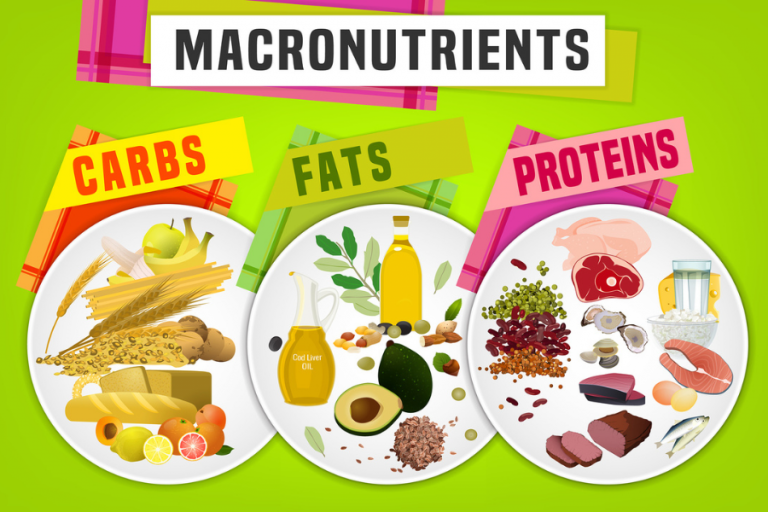
- Lean proteins such as chicken, fish, eggs, tofu, or beans
- High fiber carbohydrates like whole grains, fruits, and vegetables
- Healthy fats from olive oil, nuts, seeds, and avocado
Think of your meals as a chance to support steady energy and appetite control. Protein and fiber help you feel satisfied longer, which can make your fasting hours more comfortable.
During your fast, stick to water, black coffee, and unsweetened tea. Longer fasts of 24 hours or more are not necessarily more beneficial and may even trigger your body to store more fat in response to perceived starvation. (Johns Hopkins Medicine)
Know the benefits and side effects
You might turn to an intermittent fasting schedule for weight loss, simpler meal planning, or better control over cravings. Research suggests that intermittent fasting can help create a calorie deficit and may help regulate appetite, which are both helpful for weight management. (Healthline)
At the same time, it is important to go in with realistic expectations and an eye on safety.
Possible benefits
Some proposed and observed benefits include:
- Weight loss and reduced calorie intake over time
- Improved metabolic health and potential diabetes prevention
- Better awareness of hunger and fullness
- A break from constant snacking and late night eating
Evidence is still growing and not every benefit will show up for every person, but many people appreciate the structure and simplicity once they adjust.
Common side effects
Especially in the first couple of weeks, you may notice:
- Hunger or irritability
- Headaches and fatigue
- Mood swings and reduced focus
- Constipation or changes in digestion
These side effects are widely reported and are influenced by how strict your schedule is and what you eat during your window. (Harvard Health Publishing) If you feel unwell or if symptoms do not ease after a few weeks, your current fasting pattern may not be a good match.
Stay safe and know when to avoid fasting
Intermittent fasting is generally considered safe for many healthy adults, but it clearly is not a universal solution. Several health organizations caution that certain people either need close supervision or should avoid fasting altogether.
You should talk to your healthcare provider before starting intermittent fasting if you:
- Have advanced diabetes or take medications that affect blood sugar
- Take medications that must be taken with food
- Take medications where shifts in sodium or potassium could be risky
- Have a history of eating disorders
- Are pregnant or breastfeeding
- Are an older adult who is already underweight or frail
People taking medications for diabetes, blood pressure, or heart disease can be at risk of dangerous changes in blood sugar and mineral balance when skipping meals. (Harvard Health Publishing) Some evidence also suggests that certain fasting cycles, such as a strict 16/8 pattern with a very short eating window, may be linked with higher heart disease risk for some individuals. (Mayo Clinic)
More broadly, intermittent fasting may trigger:
Fatigue, dizziness, headaches, mood swings, constipation, menstrual changes, and challenges with diabetes management, especially when used without medical guidance. (Mayo Clinic)
If you notice any of these symptoms, or if fasting starts to feel like punishment rather than a tool, it is worth pausing and reassessing with a professional.
Put your intermittent fasting schedule into action
Once you have chosen a gentle starting point, you can make intermittent fasting part of your routine with a few small changes.
-
Choose your eating window
Look at your schedule and decide when you prefer to eat. If evenings are social for you, choose an earlier start and slightly later end time. -
Plan simple meals
Sketch out 2 or 3 go to meals and snacks that combine protein, fiber, and healthy fat. This keeps you from grabbing whatever is closest when your window opens. -
Prepare for the first two weeks
Expect some hunger and low energy at first. Many people find that these symptoms improve after 2 to 4 weeks as the body adapts. (Johns Hopkins Medicine) -
Stay flexible
If you have a very active day, feel lightheaded, or simply feel off, you are allowed to shift your window or break your fast. One strict day will not make or break your health, and neither will one flexible day. -
Check in with your health
Pay attention to your energy, sleep, mood, digestion, and menstrual cycle if this applies to you. If anything feels wrong or your weight is dropping quickly, speak with a healthcare provider.
You do not have to commit to one intermittent fasting schedule forever. Think of it as an experiment. Start with the easiest version, usually 12/12 or 14/10, pair it with nourishing food, and give yourself time to see how your body responds. If it supports your wellness, you can keep it. If it does not, you can adjust or let it go.
About the Author