Intermittent fasting for beginners can feel confusing at first. Are you supposed to skip breakfast, stop eating after 6 p.m., or go a full day without food? The good news is that you do not have to overhaul everything at once. A few simple guidelines can help you ease in, avoid common mistakes, and find a schedule that works with your real life.
Below, you will learn how intermittent fasting works, which beginner-friendly methods to try, and practical tips to stay consistent without feeling miserable or deprived.
Understand what intermittent fasting is
Intermittent fasting is an eating pattern that focuses on when you eat, not just what you eat. You cycle between periods of eating and periods of fasting with little or no calories. Johns Hopkins Medicine describes it as alternating between fasting and eating on a regular schedule to support weight management and possibly lower the risk of certain diseases (Johns Hopkins Medicine).
During your eating window, you eat normally, ideally focusing on nutritious whole foods. During your fasting window, you avoid calories and stick to water or zero calorie drinks like black coffee and unsweetened tea.
Over time, this pattern can trigger a “metabolic switch.” After your body uses up its stored sugar, it begins to burn fat for energy instead, which may help with weight management and could support metabolic health (Johns Hopkins Medicine).
Know the main benefits and limits
You are likely interested in intermittent fasting for weight loss, but there are several potential benefits that researchers are exploring.
According to the University of Michigan School of Public Health, proposed benefits of intermittent fasting include weight loss, better metabolic health, prevention of type 2 diabetes, and increased longevity (University of Michigan School of Public Health). A 2023 review noted that intermittent fasting may improve quality of life, reduce fatigue, and lower levels of IGF 1, a hormone linked with tumor development, although its weight loss effects are not clearly superior to other diets (EatingWell).
At the same time, long term health effects are still unclear. Mayo Clinic points out that while some short term markers may improve, more research is needed before experts can say exactly how intermittent fasting affects long term health (Mayo Clinic).
The bottom line is that intermittent fasting can be a useful tool, especially for structure and calorie control, but it is not magic. You still need a balanced diet, enough movement, and a schedule that you can live with.
Check if intermittent fasting is right for you
Before you pick a fasting schedule, it is important to figure out if intermittent fasting is safe for you.
Several sources recommend skipping intermittent fasting or getting medical guidance first if you:
- Have advanced diabetes or take medications that affect blood sugar
- Are pregnant or breastfeeding
- Have a history of eating disorders
- Have certain medical conditions that require regular meals or snacks
The University of Michigan notes that intermittent fasting is not recommended for some groups, such as people with advanced diabetes, pregnant women, and those with a history of disordered eating (University of Michigan School of Public Health). Verywell Health also highlights that people with medical conditions should talk with a healthcare provider first and that women may be more sensitive to fasting due to hormonal fluctuations (Verywell Health).
Mayo Clinic adds that fasting can cause side effects such as fatigue, dizziness, headaches, mood swings, constipation, and changes in menstrual cycles, and it may affect diabetes management (Mayo Clinic).
If you are unsure, ask your doctor or a registered dietitian. Share the specific method you want to try so they can help you adapt it safely.
Start with beginner friendly fasting schedules
You have many ways to practice intermittent fasting for beginners. Some methods are easier to start with because most of the fasting happens while you sleep or because the eating window is still fairly generous.
Here are some of the most common beginner options.
12:12 method
With 12:12, you fast for 12 hours and eat during a 12 hour window, such as 7 a.m. to 7 p.m.
Verywell Health notes that 12:12 overnight fasting is suitable for beginners because much of the fasting occurs while you sleep (Verywell Health). You might already be close to this if you stop eating a few hours before bed and delay your first meal slightly in the morning.
This method is a gentle way to get used to fasting without feeling as if you are skipping a meal entirely.
16:8 method
The 16:8 schedule is one of the most popular intermittent fasting approaches. You fast for 16 hours and eat during an 8 hour window, such as 11 a.m. to 7 p.m. or 10 a.m. to 6 p.m. Johns Hopkins and Verywell Health both describe 16:8 as a common method that many people use daily (Johns Hopkins Medicine, Verywell Health).
Some beginners work up to this schedule gradually. For example, you might start with 12:12 for a week, then 14:10, then 16:8 once your body is more comfortable with longer gaps between meals.
5:2 method
On the 5:2 plan, you eat normally five days of the week and on two nonconsecutive days you significantly reduce calories, often to about 500 to 600 calories per day. Johns Hopkins describes this version as another common intermittent fasting method that some people prefer over daily time restricted eating (Johns Hopkins Medicine).
A 2021 study mentioned by EatingWell found that participants had positive feedback about the 5:2 style and that it could be an approachable way to begin fasting (EatingWell).
What to avoid in the beginning
More extreme forms of fasting, such as alternate day fasting, the Warrior Diet (20 hours of fasting with a 4 hour eating window), or one meal a day (OMAD), are not usually recommended for beginners. Verywell Health points out that these approaches may not be appropriate if you are just starting or if you have certain medical conditions, because of the long fasting periods involved (Verywell Health).
Mayo Clinic also cautions that longer fasting periods, such as 24 to 72 hours, may be dangerous and can even encourage your body to store more fat as a response to what it perceives as starvation (Mayo Clinic).
Choose a schedule that fits your life
The best intermittent fasting schedule is the one you can realistically maintain. Verywell Health suggests looking at your lifestyle, health status, hunger tolerance, and personal goals such as weight loss or muscle gain when you choose a plan (Verywell Health).
A few questions can help you decide:
- When are you naturally least hungry, morning or evening
- What time do you usually wake up and go to bed
- When do your family or social meals happen
- Do you work very early, very late, or in shifts
If breakfast is easy for you to skip but dinner with your family matters, a 16:8 window from 11 a.m. to 7 p.m. might be ideal. If you work night shifts, your “fasting” might happen partly during the day while you sleep.
You can also build in some flexibility. EatingWell encourages listening to your hunger and fullness cues and not being too rigid. A more flexible mindset supports long term consistency and quality of life instead of strict rule following that you eventually abandon (EatingWell).
Learn what actually breaks a fast
To get the benefits of intermittent fasting, you need a clear line between your eating and fasting windows.
True fasting means consuming only water or zero calorie drinks. PrivateMDs notes that real intermittent fasting requires only non caloric fluids such as water during the fast, which means no butter in your coffee, no cream, and no alcoholic drinks before bed. Any calories will technically break your fast (PrivateMDs).
During your fasting window, you can usually have:
- Water, plain or sparkling
- Black coffee without sugar, cream, or flavored syrups
- Unsweetened tea
If you feel tempted to snack, try a glass of water first. Mild hunger often passes after 10 to 15 minutes, especially once you are used to the schedule.
Focus on what you eat during your window
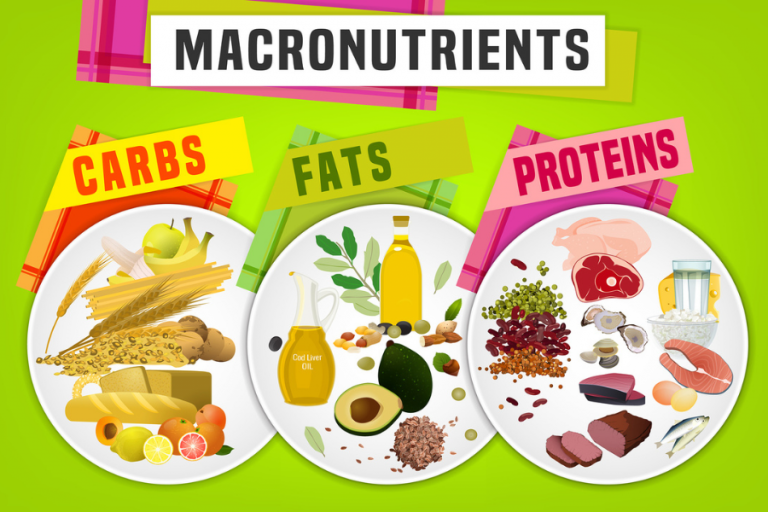
Intermittent fasting for beginners works best when you pair it with a nutritious, satisfying way of eating. Fasting cannot fix a diet that is low in nutrients and high in ultra processed foods.
The University of Michigan emphasizes that the quality of your food still matters while you fast and that nutritious choices remain just as important as the fasting pattern itself (University of Michigan School of Public Health). Johns Hopkins suggests focusing on Mediterranean style foods during your eating windows, such as leafy greens, healthy fats, lean proteins, and whole grains (Johns Hopkins Medicine).
EatingWell highlights two key nutrients for satiety and muscle maintenance:
- Lean protein, such as poultry, fish, eggs, tofu, and legumes
- Fiber rich foods, such as vegetables, fruits, beans, lentils, and whole grains
These help keep you full, maintain lean muscle, and provide the vitamins and minerals your body needs while you fast (EatingWell).
Try to plan balanced meals that include protein, fiber, healthy fats, and some complex carbohydrates. This approach reduces blood sugar swings and makes it easier to stay within your fasting window without intense cravings.
Avoid common beginner mistakes
A few predictable pitfalls can make intermittent fasting feel harder than it has to be. If you know them ahead of time, you can plan around them instead of getting discouraged.
Relying heavily on refined carbs
If your diet is very high in refined carbohydrates like white bread, pastries, and sugary drinks, you might find fasting windows unbearable. PrivateMDs notes that beginners who rely heavily on carbohydrates may struggle, because fluctuating blood glucose can increase appetite. A lower carbohydrate pattern that emphasizes quality proteins and fats often improves satiety and makes fasting easier (PrivateMDs).
You do not have to give up carbs completely. Simply prioritizing whole grains and pairing carbs with protein and fat can smooth out energy and hunger.
Skipping meal planning
If you arrive at your eating window starving with no food ready, it is easy to grab whatever is fastest, which might not align with your goals. PrivateMDs stresses that proper meal preparation and planning are crucial to avoid poor food choices and to honor your eating and fasting windows (PrivateMDs).
Even basic planning helps. You might batch cook a simple protein, pre wash salad greens, and keep a few go to snacks like nuts and yogurt on hand.
Eating too little overall
Some beginners swing too far in the other direction and severely under eat. This can leave you exhausted, stall your progress, and even lead to overeating later. PrivateMDs warns that consuming too few calories during your eating window can harm your health and your results. If you consistently struggle to meet your needs, it may help to lengthen your eating window a bit (PrivateMDs).
You should feel generally satisfied during your eating window. If you are constantly cold, weak, or irritable, that is a sign to adjust.
A sustainable intermittent fasting plan should feel challenging but not punishing. If your current schedule feels impossible, it is the schedule that needs to change, not you.
Ease in gradually and listen to your body
One of the simplest tips for successful intermittent fasting for beginners is to take it slowly. EatingWell recommends easing in to avoid intense hunger and discouragement, for example by starting with a 5:2 method or a shorter daily fasting window and adjusting over time (EatingWell).
You might:
- Begin with a 12:12 schedule for one to two weeks.
- Shift to 14:10 if you feel comfortable.
- Move into a full 16:8 only when you are ready.
Watch for how your sleep, energy, mood, and workouts respond. Mild hunger, especially close to the end of your fast, is normal. Severe dizziness, brain fog, or extreme irritability are signals to adjust your plan.
Remember that life happens. Travel, celebrations, or busy seasons might temporarily change your fasting pattern. A flexible approach, where you return to your usual schedule instead of quitting entirely, is often more effective than strict perfectionism.
Putting it all together
To get started with intermittent fasting for beginners, you can follow this simple sequence:
- Get medical clearance if you have any health conditions or concerns.
- Choose a gentle method like 12:12 or 16:8 that fits your current routine.
- Make a basic meal plan that emphasizes lean protein, fiber, and whole foods.
- Prepare for your fasting window with calorie free drinks and small distractions for cravings.
- Adjust your schedule and food choices based on your energy, hunger, and results.
Begin with one small change, such as setting a 12 hour overnight fasting window this week. Once that feels natural, you can fine tune your timing and your meals. Step by step, you can turn intermittent fasting into a simple, sustainable part of your daily rhythm, rather than another short lived diet experiment.
About the Author