A lot of nutrition advice tells you to “hit your macros” without explaining what that actually means. If you are curious about how to count macronutrients but do not want to turn every meal into a math problem, you are not alone. You can use macros to support better energy, muscle gain, and fat loss without obsessing over every bite.
This guide walks you through how to count macronutrients in a simple, step by step way, with enough structure to see results and enough flexibility to live your life.
Understand what macronutrients are
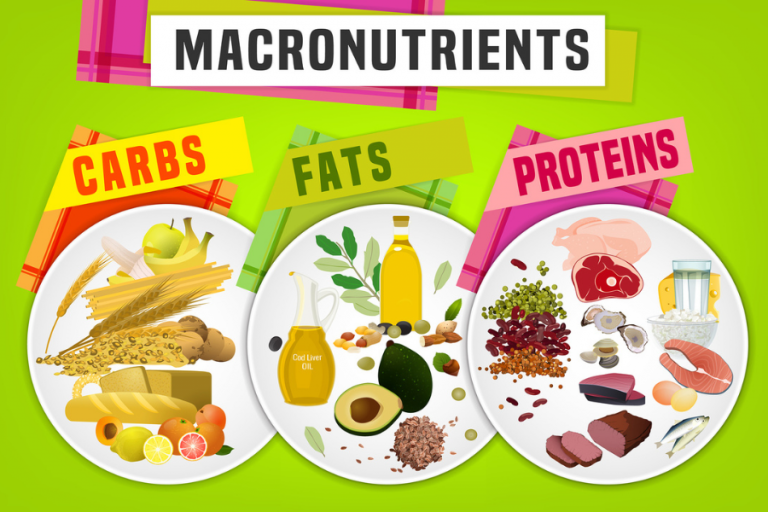
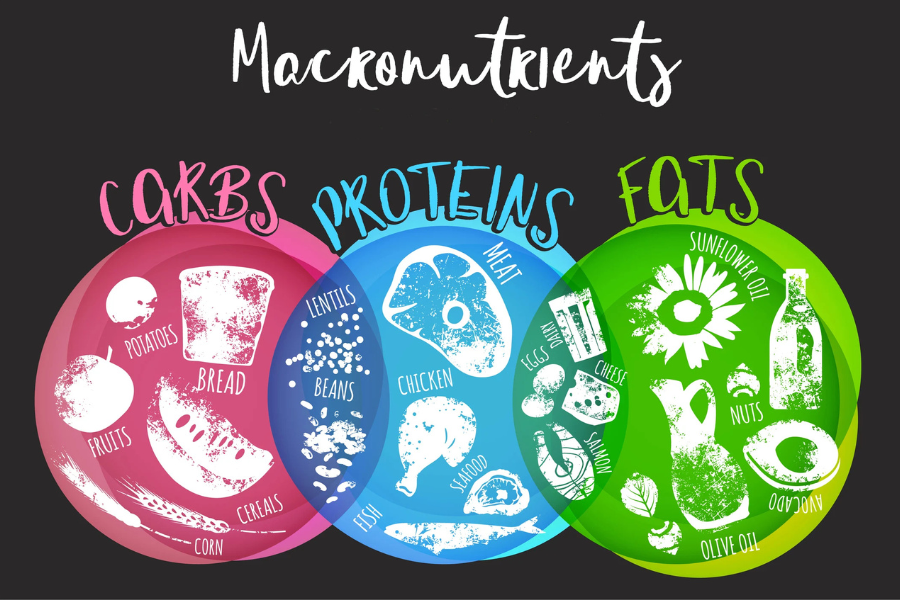
Before you start tracking anything, you need a clear picture of what you are counting. Macronutrients, or macros, are the nutrients you eat in larger amounts that provide energy: carbohydrates, protein, and fat. Your body depends on all three for basic function and long‑term health (Calculator.net, WebMD).
Carbohydrates
Carbs are your main fuel source. Your body breaks them down into glucose to power your brain, muscles, and daily movement. Healthy carb sources include:
- Whole grains like oats, brown rice, and quinoa
- Beans and lentils
- Fruits
- Vegetables
Guidelines usually suggest getting about 45 to 65 percent of your daily calories from carbohydrates and focusing on minimally processed choices to avoid big blood sugar spikes (WebMD, MD Anderson Cancer Center).
Protein
Protein provides amino acids that support muscle repair, hormone production, and immune function. If you lift weights, play sports, or just want to keep more lean mass as you age, protein deserves extra attention.
A common starting point is about 0.8 grams per kilogram of body weight per day, which is around 54 grams for a 150 pound person (MD Anderson Cancer Center). Other guidelines suggest roughly 0.36 grams per pound for sedentary adults, which works out to about 56 grams for many men (WebMD). If you lift regularly or are in a calorie deficit, you may benefit from more protein to protect muscle.
Fat
Dietary fat is not the enemy. It helps regulate hormones, supports brain health, and provides a concentrated source of energy. The key is the type and amount.
Most recommendations suggest 20 to 35 percent of your daily calories from fat, with less than 10 percent from saturated fat and as little trans fat as possible (WebMD, MD Anderson Cancer Center). Plant based fats from olive oil, nuts, seeds, and avocado are especially helpful.
Start with your daily calorie target
You cannot really count macronutrients without knowing roughly how many calories you need. That number sets the “budget” you divide into carbs, protein, and fat.
Your daily calorie needs depend on:
- Age
- Height and weight
- Activity level
- Body composition and goals
Many macro calculators start by estimating your basal metabolic rate (BMR) or resting energy expenditure (REE) using equations like Mifflin‑St Jeor, then multiply by an activity factor to get your total daily energy expenditure (TDEE) (Calculator.net, Healthline, Ratio Food). Typical daily needs often range from around 1,600 to 3,000 calories, with many men falling in the 2,000 to 3,000 calorie range depending on size and activity (Calculator.net).
You can simplify this step:
- Use an online TDEE or macro calculator and plug in your stats honestly, especially your activity level (Calculator.net, ATHLEAN-X).
- Decide whether you want to maintain, gain, or lose.
- To lose fat, you might choose a small calorie deficit.
- To gain muscle, you might set a small surplus.
You now have a calorie goal that you will split into macros.
Pick a macro ratio that fits your goals
There is no single “best” macro ratio for every man. The right balance depends on your health, training style, and preferences (MD Anderson Cancer Center). However, there are proven starting ranges.
Many health organizations and nutrition resources recommend:
- 45 to 65 percent of calories from carbohydrates
- 20 to 35 percent from fats
- 10 to 35 percent from proteins
(WebMD, Healthline, MD Anderson Cancer Center)
From there, you adjust based on your focus.
If your main goal is fat loss
You usually want:
- A calorie deficit that is not extreme
- Higher protein to protect muscle and control hunger
- Moderate carbs and fats that you can stick to
You might try a split around 40 percent carbs, 30 percent protein, and 30 percent fat. On a 2,000 calorie diet, that would equal about 200 grams of carbs, 150 grams of protein, and 67 grams of fat (Healthline, ATHLEAN-X).
Prioritizing protein can help keep you full, support muscle during a deficit, and even increase the energy your body uses to digest food (Cosori).
If your main goal is muscle gain
You still want your calories and macros to work together:
- A modest calorie surplus so you gain muscle, not just fat
- High protein to support muscle repair
- Enough carbs to fuel hard training
- Adequate fat to keep hormones balanced
A common starting split is similar to above, but with slightly more calories and a focus on hitting your protein target every day. You may bump protein and carbs up a bit while keeping fat within that 20 to 35 percent window (ATHLEAN-X, Cosori).
If your goal is better overall health
If you are not chasing a specific body composition goal, you can keep it even simpler:
- Aim for carbs in the 45 to 65 percent range
- Keep fats in the 20 to 35 percent range with an emphasis on unsaturated sources
- Make sure you hit a reasonable daily protein target for your body size
As long as your plate is built mostly from whole grains, fruits, vegetables, lean proteins, nuts, and seeds, you will likely cover both your macro and micronutrient needs (MD Anderson Cancer Center, Nourish).
Convert percentages to grams
Once you choose your macro percentages, you turn them into grams so you can actually track what you eat. This looks complicated at first, but it follows a simple pattern.
Each macronutrient has a set calorie value per gram:
- Protein: 4 calories per gram
- Carbohydrates: 4 calories per gram
- Fat: 9 calories per gram
Here is how to do the math using the earlier example of 2,000 calories with a 40 / 30 / 30 split.
- Multiply your total calories by each macro percentage.
- Divide by the calories per gram of that macro.
So:
- Carbs: 2,000 x 0.40 = 800 calories from carbs
800 ÷ 4 = 200 grams of carbs - Protein: 2,000 x 0.30 = 600 calories from protein
600 ÷ 4 = 150 grams of protein - Fat: 2,000 x 0.30 = 600 calories from fat
600 ÷ 9 ≈ 67 grams of fat
This is exactly how many macro calculators work behind the scenes (ATHLEAN-X, Healthline).
You do not have to hit these numbers perfectly. Think of them as a daily or weekly target, not a pass or fail test.
Choose a tracking method that fits your personality
Counting macronutrients can be as high tech or low tech as you prefer. The best method is the one you will actually use.
Use a macro tracking app
Nutrition and fitness apps make macro tracking easier and faster. Many let you scan barcodes, save go to meals, and see your macro totals update in real time.
Common options include:
- MyFitnessPal, known for its large food database and free barcode scanning (Nourish, Reddit)
- Lose It!, which has a simple interface, barcode scanning, and recipe creation, and is friendly for beginners (Reddit)
- Cronometer, which offers detailed tracking of calories, macros, and even micronutrients with many free features (Nourish, Reddit)
Some newer apps even let you log by voice or photo, which can feel less tedious than manual entry (Reddit).
Try a simple plate method
If logging every ingredient makes you stressed, you can still use macro principles in a more visual way. For example, you can:
- Fill about half your plate with vegetables and fruit
- Fill one quarter with lean protein
- Fill one quarter with whole grains or starchy vegetables
- Add a small portion of healthy fats like olive oil, nuts, or avocado
This layout mirrors methods like USDA MyPlate and other evidence based plate guidelines and helps you cover your macros without checking an app at every meal (MD Anderson Cancer Center, Nourish).
You can also estimate portions using your hand: a palm of protein, a cupped hand of carbs, a thumb of fats, and as many fist sized servings of vegetables as you like.
Build macro friendly meals without overthinking
Once you know your rough macro targets and how you plan to track, the next step is turning those numbers into real food on your plate.
A simple way to design meals is:
-
Choose your protein first.
Pick a serving that fits your goals, such as chicken breast, fish, eggs, Greek yogurt, tofu, or beans. Protein is the anchor of the meal, especially if you are focused on body composition (Cosori). -
Add quality carbohydrates.
Include whole grains, potatoes, beans, or fruit to give you energy for your workouts and daily activities (ATHLEAN-X, WebMD). -
Include healthy fats.
Add a small amount of olive oil, nuts, seeds, or avocado. Remember that fats are calorie dense, so a little goes a long way (WebMD). -
Fill the rest of the plate with vegetables.
Non starchy vegetables add fiber, volume, and micronutrients without many calories, which helps with both fat loss and overall health (Nourish).
Cooking methods like grilling, baking, air frying, or pressure cooking make it easier to hit your macros without relying on heavy sauces or breading (Cosori).
Avoid common macro counting mistakes
Even with a solid plan, a few small habits can throw off your numbers or make the whole process more stressful than it needs to be.
Guessing portion sizes
Eyeballing every serving often leads to underestimating how much you eat, especially for calorie dense foods like oils and nuts. Using a food scale at home, at least at the beginning, can calibrate your eye so your later estimates are closer to reality (ATHLEAN-X, Healthline).
Ignoring food quality
Hitting your macro numbers with mostly processed foods is very different from hitting them with whole foods that include fiber, vitamins, and minerals. Macros matter, but so do micronutrients and overall diet quality (Nourish, MD Anderson Cancer Center).
Obsessing over perfection
You do not need to nail your macros to the exact gram every day to make progress. Consistency over weeks matters more than perfection on any single day (Healthline). If counting starts to feel compulsive or stressful, it may be better to pull back or work with a registered dietitian to find a more relaxed approach (Nourish).
Overemphasizing one macro
It can be tempting to focus only on protein or to slash carbs. Once your protein needs are met, any extra can still be converted into energy or stored as fat, so you still want a balanced split that fits your total calories and goals (WebMD). Carbs, fats, and protein each play a unique role in energy, recovery, and health (ATHLEAN-X).
Know when to ask for extra guidance
If you have specific medical conditions, a complex training schedule, or a history of disordered eating, it can be very helpful to get professional input on your macro targets. Reviewing your food logs with a registered dietitian allows you to:
- Check if your macro balance matches your health and performance goals
- Evaluate the quality of your fats and carbs, not just the quantity
- Adjust your targets as your body or routine changes
This type of personalized review can align your daily eating with evidence based guidelines and make macro counting feel more practical and sustainable (Nourish, MD Anderson Cancer Center).
Take the first small step
You do not have to overhaul your entire diet to benefit from counting macronutrients. You might start with just one change:
- Calculate your daily protein target and try to hit it for a week
- Log your meals for three days to see where your current macros land
- Use the plate method at dinner all week and see how your energy and fullness feel
Once that feels comfortable, you can layer in more detail. Over time, you will start to recognize how a plate of food translates into carbs, protein, and fats, and you will be able to adjust on the fly without feeling overwhelmed.
About the Author