Image by Flux
Healthy post-workout meals can do more than just fill you up. When you eat the right mix of protein, carbs, fats, and fluids after exercise, you recover faster, build more muscle, and feel steadier for the rest of the day. Think of that post-gym meal as part of your training plan, not an optional extra.
Below, you will find clear guidelines, simple meal ideas, and timing tips that fit into a normal schedule, not a bodybuilder’s routine.
Why post-workout meals matter
When you finish a workout, your body is in repair mode. Your muscles have used up their glycogen stores for fuel and your muscle fibers have tiny tears that need amino acids to rebuild. Eating soon after helps you:
- Refill energy stores so you do not crash later
- Repair and grow muscle
- Reduce soreness and inflammation
- Support weight loss or maintenance instead of undoing your hard work
Experts sometimes call the hours after training the “anabolic window.” Your body is especially ready to absorb protein and carbs in this period, usually from about 30 minutes up to several hours after you finish, so having healthy post-workout meals or snacks in that window can be a big help (UCLA Health, Healthline).
You do not have to eat the second you rack the weights, but planning something within 1 to 2 hours is a smart default (Mayo Clinic).
What your body needs after a workout
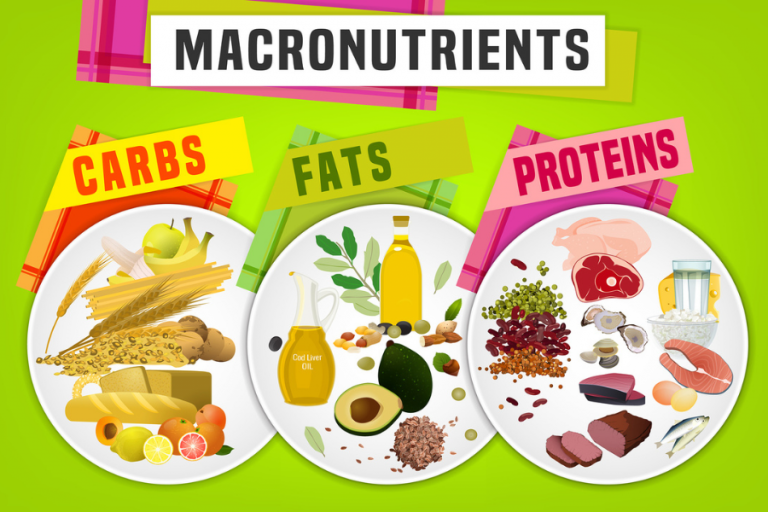
Healthy post-workout meals usually follow a simple formula: protein, carbohydrates, some fat, plus fluids and electrolytes. The exact portions depend on your size, training style, and goals, but the building blocks stay the same.
Protein: Repair and build muscle
Resistance training and intense cardio both break down muscle protein. Afterward, your body needs amino acids to repair those fibers and grow new ones.
The International Society of Sports Nutrition suggests aiming for about 20 to 40 grams of high quality protein in a post-workout meal and repeating that every 3 to 4 hours through the day (Healthline). Good sources include:
- Eggs or egg whites
- Chicken or turkey
- Fish like salmon or tuna
- Greek yogurt, cottage cheese, or milk
- Soy, pea, or other plant based proteins
Dairy proteins like milk, Greek yogurt, cottage cheese, and kefir are especially effective at stimulating muscle protein synthesis, according to research summarized by HealthMatch (HealthMatch) and Cedars-Sinai (Cedars-Sinai).
Carbohydrates: Refill your fuel tank
Carbohydrates restore the glycogen your muscles use for energy. This is especially important after longer cardio sessions or high intensity intervals, when you burn through more stored fuel.
The ISSN recommends about 0.4 grams of carbs per pound of body weight in the first 4 hours after exercise for faster glycogen restoration, particularly if you are an endurance athlete (Healthline). For many men, that could look like a cup of cooked rice, a large sweet potato, or a couple of pieces of fruit alongside protein.
Carb rich snacks are especially helpful after endurance cardio workouts to restore energy and prevent post-exercise dips in blood sugar (Cedars-Sinai).
Healthy fats: Support hormones and satiety
Fat does not have to be the enemy after training. While very high fat meals may slow digestion a little, studies have found that whole foods that naturally contain some fat, like whole milk and whole eggs, can actually promote muscle growth and protein synthesis more effectively than low fat versions (Healthline).
A moderate amount of healthy fat can:
- Keep you full so you are not raiding the pantry an hour later
- Support hormone production, including testosterone
- Help absorb fat soluble vitamins and anti-inflammatory nutrients
Good choices include avocado, nuts, seeds, olive oil, and fatty fish such as salmon, which also brings omega 3 fats that help calm muscle inflammation (Cedars-Sinai).
Hydration and electrolytes: Finish the job
Many men focus on protein and forget fluids. Yet hydration before, during, and after exercise is crucial for performance and recovery. Dehydrated muscles tire faster and feel more sore.
Guidelines from sports nutrition sources recommend:
- Water 2 to 3 hours before your workout
- Smaller amounts every 10 to 20 minutes while exercising
- Fluid replacement afterward based on how much you sweated, often 2 to 3 cups per pound lost (Healthline, HealthMatch, Cedars-Sinai)
Water is fine for workouts under an hour. For longer or very sweaty sessions, coconut water or a sports drink can help you replenish electrolytes like sodium and potassium (UCLA Health, Cedars-Sinai).
Timing your post-workout meal
You have some flexibility with timing, but you will get better results if you avoid long gaps after hard sessions.
- For strength or high intensity training: Try to eat a full meal or a solid snack with protein and carbs within about 1 hour of finishing. This helps support muscle repair and growth during the most responsive period (OnePeloton, American Diabetes Association).
- For light or low intensity workouts: If you did an easy walk, light cycling, or yoga for less than an hour, you may not need a special post-workout meal. Eating mostly whole foods every 4 to 5 hours across your day is often enough (American Diabetes Association).
If you are not hungry right away after a hard workout, a liquid option like a protein shake, smoothie with yogurt, or a glass of milk can be easier to get down and still provide protein and carbs for recovery (OnePeloton).
Meal ideas tailored to your workout
The type of healthy post-workout meals that work best for you depends on what you just did. Your body uses different fuel for heavy lifting than for a long run.
After strength or muscle building sessions
Post strength training, your priority is protein plus some complex carbs. Aim for at least 20 grams of protein and roughly twice as many grams of carbs to support recovery (OnePeloton, Memorial Hermann).
Examples:
- Grilled chicken breast, roasted sweet potato, and steamed broccoli with olive oil
- Omelet with 3 whole eggs, spinach, and peppers, plus a slice of whole grain toast
- Greek yogurt bowl with berries, a banana, and a sprinkle of granola
Memorial Hermann recommends 20 to 40 grams of protein, along with some carbs, soon after exercise to optimize muscle repair and energy restoration (Memorial Hermann).
After cardio or endurance workouts
For runs, cycling sessions, or other cardio that last an hour or more, focus on rehydration first, then refueling glycogen with carbs plus some protein. This helps you feel normal again and prepares you for your next workout.
Ideas:
- Brown rice bowl with black beans, salsa, avocado, and grilled fish
- Turkey sandwich on whole grain bread with lettuce and tomato, plus an apple
- Smoothie made with milk or yogurt, fruit, oats, and a scoop of protein powder
Cardio sessions draw heavily on glycogen, so carbs are essential to restore those muscle stores and avoid feeling drained later in the day (UCLA Health, Cedars-Sinai).
After yoga, mobility, or light sessions
If you did light yoga, stretching, or an easy walk, your calorie burn and glycogen use are lower. In that case you can keep it simpler.
You might focus mostly on:
- Hydration with water, coconut water, or a light sports drink
- A light snack like fruit, a small yogurt, or veggies with hummus if your next full meal is a while away (UCLA Health)
If your goal is fat loss and the workout was light, you can also use this time to keep a calorie deficit, as long as you are still getting enough total nutrition over the whole day (American Diabetes Association).
Supporting fat loss and muscle goals
Healthy post-workout meals can work with your goals, not against them. The key is quality and portions.
A few simple guidelines:
- Keep most of your post-workout calories from lean protein, complex carbs, and healthy fats
- Aim for whole foods over processed snacks or fast food
- Avoid heavy fried items, sugary desserts, and low protein meals right after training, which can delay recovery and add empty calories (HealthMatch)
If you are training for weight loss, remember that exercising on an empty stomach 3 to 4 hours after your last meal can encourage your body to use more fat for fuel, as long as your blood glucose is in a safe range (American Diabetes Association). Just be sure to plan a balanced meal afterward to recover well and avoid overeating later.
Reducing soreness and inflammation with food
Delayed onset muscle soreness, or DOMS, happens because intense exercise creates tiny tears in your muscles that lead to inflammation. This is part of the natural healing process, but you can support it with what you eat (Memorial Hermann).
Combine:
- Protein to repair muscle fibers
- Carbs to replenish glycogen and aid nutrient delivery
- Anti-inflammatory, antioxidant rich foods
Colorful fruits and vegetables, plus omega 3 rich foods like salmon, can help reduce inflammation and speed healing. At the same time it helps to limit sugary snacks, fried foods, and excessive alcohol because these can worsen inflammation and slow your recovery (Memorial Hermann).
A simple rule of thumb: pair at least 20 grams of protein with a palm sized portion of carbs and some color on your plate. If your meal fits that pattern, you are likely supporting both performance and recovery.
Putting it all together
You do not need a rigid meal plan or an expensive supplement stack to improve your recovery. Start with these steps:
- Plan what you will eat before you start your workout, so you are not stuck grabbing junk when you are starving later.
- Aim to drink water before, during, and after exercise, adjusting for how much you sweat.
- Within about 1 to 2 hours of finishing, have a meal or snack that includes protein, carbs, a bit of healthy fat, and fluids.
- Pay attention to how different meals make you feel and consider keeping notes so you can fine tune over time, as Mayo Clinic suggests (Mayo Clinic).
Try making one change at your next workout, such as swapping a fast food stop for a simple plate of salmon, brown rice, and veggies, or mixing a protein and fruit smoothie at home. Over the next few weeks, you are likely to notice better energy, less soreness, and steadier progress toward your goals.
About the Author