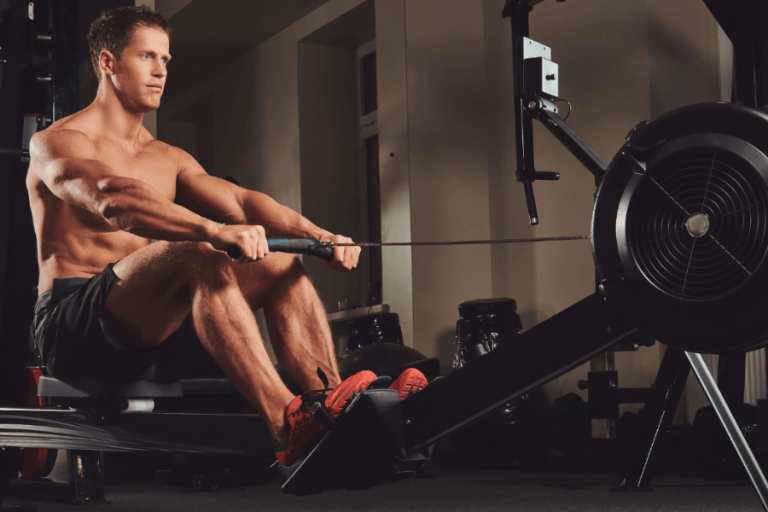
Good shoulder workouts for men can do more than add size to your t‑shirt sleeves. Strong, well balanced shoulders support your bench press, protect your joints on heavy pulling days, and help you move better in everyday life.
The key is choosing exercises that actually build muscle without beating up your joints, then organizing them into simple, repeatable routines. You also need to avoid a few popular moves that look hardcore but mostly raise your injury risk.
Below, you will find how to build good shoulder workouts for men that deliver real results, plus exactly what to skip.
Understand your shoulder muscles
If you want bigger, stronger shoulders, it helps to know what you are training. Your shoulder is not just one muscle, it is a group that works together.
You mainly focus on:
- Anterior deltoid, the front of your shoulder, helps with pressing and raising your arms forward
- Lateral deltoid, the side of your shoulder, creates width and that round “cap” look
- Posterior deltoid, the rear shoulder, supports pulling movements and posture
- Rotator cuff, small stabilizing muscles that keep the joint healthy and centered
- Upper back helpers, like the traps and rhomboids, that assist with presses and pulls
Good shoulder workouts for men hit all of these areas, not just the front. That balance is what makes you look broad from the front and back, and it lowers the chance of nagging pain over time.
Exercises you should skip or swap
Some common “shoulder day” moves provide more risk than reward. You get better results by swapping them for smarter alternatives.
Behind the neck press
Behind the neck barbell presses put your shoulders in an awkward position and can irritate the joint over time. Men’s Health fitness director Ebenezer Samuel, C.S.C.S., notes that they pull your shoulders out of proper alignment and can set you up for long term issues. A standard overhead barbell press in front of your head is safer, more comfortable, and usually lets you move more weight with better control.
Heavy barbell upright rows
When you pull a barbell high up toward your chin, your shoulders crank into internal rotation. For many lifters this feels pinchy or tight. Swapping to dumbbells for upright rows gives your shoulders more freedom to move, and it allows your elbows and wrists to find a natural path that can better recruit your upper back muscles.
Ego driven lateral raises
Swinging heavy dumbbells with bent elbows and hip thrusts might look impressive, but it shifts tension away from your side delts and onto momentum. You are also more likely to irritate the joint. Instead, pick a weight you can control, keep a slight bend in your elbows, raise to shoulder height, pause briefly at the top, then lower under control. If you want extra isolation, you can perform lateral raises lying on an incline bench to reduce cheating.
Standing dumbbell external rotation
Holding a dumbbell in front of you and rotating your forearm outward looks like a rotator cuff exercise, but gravity is pulling straight down, not resisting that rotation very much. As a result, your shoulder is barely loaded. Using a cable machine or resistance band places the pull in line with the rotation so your rotator cuff actually has to work.
Endless front raises
Front raises mostly hammer the anterior delts, which already get a lot of work from overhead pressing and bench pressing. Piling on more front delt volume can leave you overdeveloped in the front and lacking in the side and rear. That imbalance can pull your shoulders forward and flatten your posture. You are better off spending most of your isolation work on the lateral and rear delts instead.
The best compound shoulder exercises
Start your good shoulder workouts for men with big, multi joint lifts. These build the foundation of strength and muscle.
Overhead shoulder press
The overhead shoulder press is one of the top moves for building your upper body. It primarily trains your anterior delts and also hits your medial and lateral delts, traps, triceps, and even your upper chest. You can perform it standing with a barbell for full body stability work, or seated or standing with dumbbells for a bit more freedom of movement.
For muscle growth, work mostly in the 8 to 12 rep range at about 70 to 80 percent of your one rep max. Focus on a smooth path, bracing your core, and locking out without shrugging your shoulders to your ears.
Landmine press
If fully overhead pressing bothers your shoulders or you have limited mobility, the landmine press is a smart alternative. You press a barbell that is anchored in a landmine attachment at a diagonal angle instead of straight overhead. This change reduces strain on the shoulder joint while still targeting the anterior and lateral delts effectively.
You can perform the landmine press standing or in a half kneeling position. Half kneeling often makes it easier to stabilize your lower back and focus on your shoulders.
Push press
The push press adds some leg drive to the overhead press. That lets you use a bit more weight and train your fast twitch muscle fibers, which are key for size and power. You also challenge your core as you transfer force from your legs through your torso and into the bar or dumbbells.
You dip slightly at the knees, drive through your legs, and continue that momentum into a strong overhead press. Variations include single arm push presses and using a wall to help beginners keep good position and improve shoulder and upper back mobility.
Key isolation moves for full development
After your compound lifts, you round out your shoulder workouts with isolation exercises. These allow you to target each delt head and your rotator cuff more directly.
Lateral raise variations
Lateral raises are your primary tool for wider shoulders. They isolate the lateral delts, which are the main contributors to shoulder width and the V shape torso that many men want. You can use dumbbells or cables. Either way, the goal is a controlled lift to around shoulder height without swinging.
Behind the body cable lateral raises can be especially effective because they stretch and challenge the side delts through a slightly different angle. Aim for 8 to 12 reps, and increase the weight only once you can perform 15 to 20 clean reps with good control.
Rear delt fly
Rear delt flies target the posterior delts, an area many men neglect. Strong rear delts improve your posture, support your pulling strength, and help your shoulders look fully developed from the side and back. You can perform these on a reverse pec deck, with dumbbells bent over, or lying face down on an incline bench.
Think about pulling your upper arms back and out rather than yanking the weight with your hands. This helps you feel the rear delts working instead of just your upper traps.
Face pulls and external rotations
To “bulletproof” your shoulders, you need to train the smaller stabilizing muscles as well. Mini band external rotations and resistance band or cable face pulls are excellent here. Both moves strengthen your rotator cuff and mid back, which can help prevent injuries and keep your shoulders centered during heavy lifts.
These exercises are light but important. You can do them several times per week, either at the end of your workouts or on rest days as part of a mobility routine.
How to structure good shoulder workouts for men
Putting the exercises together is where you turn individual moves into real progress. The goal is to hit all key muscle groups, manage your volume, and recover well enough to grow.
Weekly volume and frequency
As a starting point, most men do well with around 9 to 15 total sets per week for shoulders in the classic hypertrophy ranges of 8 to 12 reps at 70 to 80 percent of one rep max. Your shoulders often recover quickly, but more is not always better. Training them hard every day just limits your recovery and can increase your injury risk.
Ebenezer Samuel suggests you avoid dedicating an entire day to only heavy shoulder work. Instead, sprinkle your shoulder training into upper body or push days. This keeps stress on the joint in check while still building size and strength.
For side delts specifically, you may grow faster by training them about twice per week with roughly 8 quality sets total. This is enough volume to drive growth for most lifters without becoming impossible to recover from.
Sample push day shoulder focus
Here is how a simple push focused workout might look:
- Overhead barbell or dumbbell press, 3 to 4 sets of 8 to 10 reps
- Incline or flat bench press, 3 to 4 sets of 8 to 10 reps
- Landmine press or Arnold press, 3 sets of 8 to 12 reps
- Lateral raises, 3 to 4 sets of 10 to 15 reps, close to failure but with strict form
- Rear delt fly or face pull, 3 sets of 12 to 15 reps
You can mix and match exercises over the week. For example, use overhead press and dumbbell lateral raises on one day, then landmine press and cable lateral raises on another.
Intensity and progression
To build muscle, you want most working sets to end within 3 to 5 reps of true failure. You should feel like you could barely complete a few more clean reps. Many lifters stop too early, especially with isolation moves that burn. Learning to push through that discomfort safely can unlock more growth.
Progressive overload is the long term driver of results. You can gradually:
- Add small amounts of weight
- Add a rep or two per set
- Slow your tempo slightly to increase time under tension
Track what you do, and aim to beat those numbers over time. If your lateral raises go from 15 pounds for 12 reps to 20 pounds for 12 reps with the same form, your side delts have almost certainly grown.
Do not forget nutrition and recovery
The smartest shoulder workout will not do much if you are under eating or constantly exhausted. Building new muscle tissue requires energy and raw materials.
Spending time in a modest calorie surplus helps. A meta analysis on resistance training and diet supports the idea that gaining muscle is easier when you consistently eat more calories than you burn. Some fat gain is normal during this phase, but the trade off is noticeable size increases, including in your shoulders.
You also need sleep and rest days. Aim for at least 7 hours of sleep per night, stay hydrated, and avoid hammering shoulders hard on back to back days. Light band work for mobility is fine, but give your heavier pressing and raising movements some space to recover.
Putting it all together
Good shoulder workouts for men focus on:
- Safe, effective compounds like the overhead press, landmine press, and push press
- Smart isolation moves such as lateral raises, rear delt flies, face pulls, and cable external rotations
- Avoiding risky or low value exercises like behind the neck presses, overly heavy upright rows, and standing dumbbell external rotations
- Training all three delt heads plus your rotator cuff and upper back for balanced, strong shoulders
- Working mostly in the 8 to 12 rep range, close to failure, with progressive overload over time
You do not need a marathon shoulder day or fancy tricks. Pick a handful of solid exercises, train them hard a couple of times per week, eat enough to grow, and your shoulders will respond. Start by adjusting one workout this week, then build from there as the movements begin to feel more natural and your strength climbs.
About the Author