A new baby can change nearly every part of your life overnight. What often gets overlooked is how deeply fatherhood and mental health are connected. You might feel proud, protective, and grateful. You might also feel exhausted, anxious, irritable, or strangely numb. Sometimes, you feel all of it in the same day.
You are not the only one. Research suggests that around 1 in 10 fathers experience depression during pregnancy or in the first year after birth, with rates peaking between 3 and 6 months postpartum. Other studies find similar numbers in the United States, with about 14% of dads reporting postpartum depression symptoms.
Understanding what is happening to you, in your body and mind, is a powerful first step to getting support instead of silently toughing it out.
How fatherhood changes your mental health
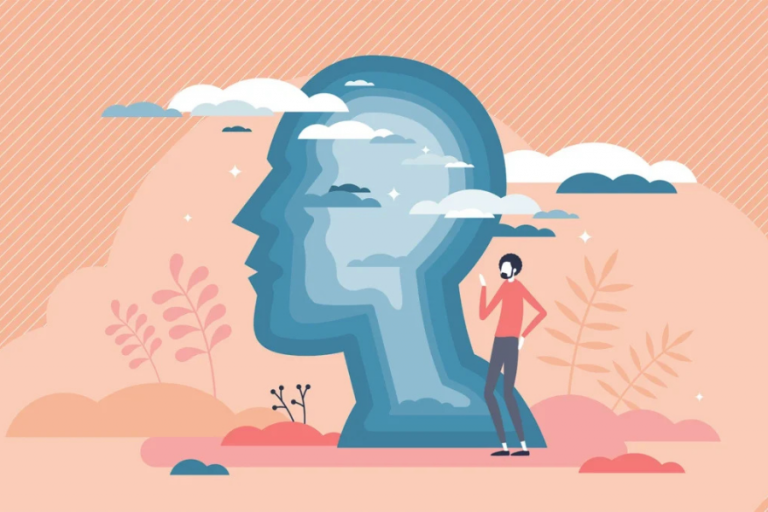
Becoming a father is not just a life event. It is a total shift in your identity, your routines, your relationships, and even your biology. Those shifts can support your mental health, but they can also strain it.
Identity shifts and pressure to “be the rock”
As you move into fatherhood, you might feel torn between who you were before and who you are expected to be now. You may see yourself as the provider, the protector, the calm one when everything gets chaotic.
That pressure can be intense. If you feel scared, unsure, or overwhelmed, you might judge yourself for it. Cultural messages that men should be strong and stoic can make you feel like you are failing if you need help or rest. Over time, that disconnect between how you feel and how you think you should feel can feed anxiety, irritability, or depression.
Role overload and burnout
You might be trying to juggle:
- Long work hours or job stress
- Night feedings and broken sleep
- Supporting your partner emotionally and practically
- New financial responsibilities
- Household tasks that grew overnight
It is very common for fathers to experience role overload. You might feel like there is no version of your day where everything gets done, and no version of yourself that can meet every demand. Chronic sleep deprivation plus constant responsibility is a classic recipe for burnout and worsening mental health.
Relationship changes and loneliness
Your romantic relationship also shifts. There is less time alone with your partner, more focus on the baby, and often more conflict just because everyone is tired and stretched thin. You might feel:
- Less intimacy and sexual connection
- More miscommunication or tension
- Resentment about who is “doing more”
At the same time, friends may drift away, especially if they do not have kids yet. You may pull back socially because you are exhausted or because schedules no longer line up. That isolation can deepen feelings of sadness or anger, even if you love your child and are happy to be a dad.
The mental load of early fatherhood
There is what you are doing as a father, and then there is what you are thinking about all day and all night. That second part is the mental load, and it is heavier than many men expect.
Constant worry about your family
You might notice your mind constantly running: Are we safe financially. Is my partner okay. Is the baby eating and sleeping enough. Am I doing this right.
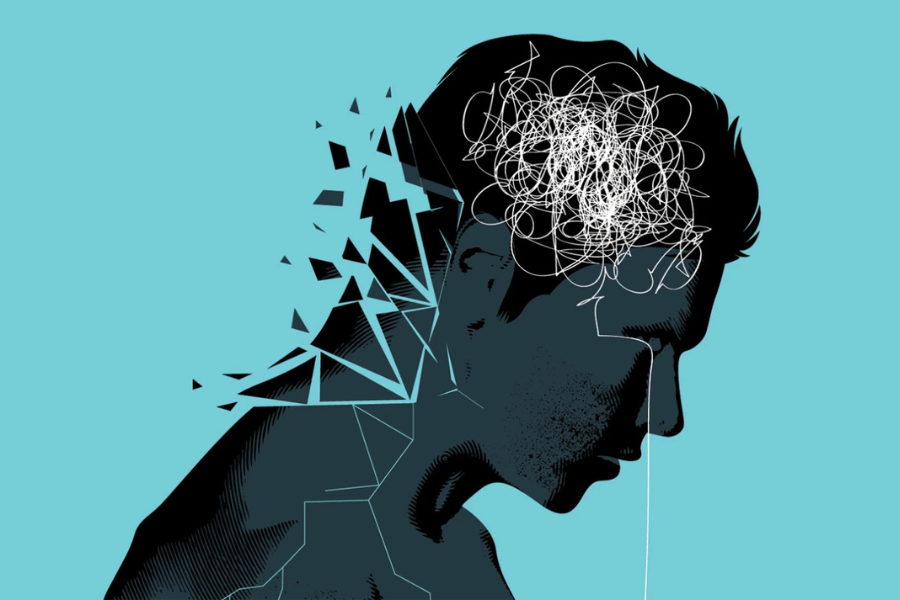
A certain amount of concern is normal. The problem comes when worry never shuts off. High stress and rumination are linked with higher rates of depression and anxiety for fathers during the perinatal period. If your mental load is always on, your nervous system never gets a real break.
Feeling sidelined and unsure
Many health systems still focus mainly on mothers and babies. Studies show that fathers often feel excluded by professionals and unsure where they fit or how to help. You might sit quietly in appointments, not wanting to take up space or not knowing what questions to ask.
That sidelined feeling can turn into self-doubt. You might think, “I guess I am just the extra,” which can chip away at your confidence and sense of belonging, both of which are important for mental health.
How your brain and body adapt to fatherhood
Fatherhood does not just change your schedule. It changes your biology in ways that can influence mood and mental health.
Hormonal shifts that support caregiving
Research has found that men often experience:
- Decreases in testosterone during pregnancy and early postpartum, especially if they are actively involved caregivers
- Increases in hormones like oxytocin and prolactin that support bonding and nurturing behaviors
Less testosterone can reduce some aggressive or risk-taking impulses, which might help you tune in more to your baby. More oxytocin and prolactin can strengthen your desire to connect and care. These changes show that your brain and body are literally adapting to help you step into your role as a father.
Physical health changes and emotional impact
Fatherhood is also associated with weight gain for many men, reduced sleep, less exercise, and higher stress. Studies suggest that fathers weigh more on average than non-fathers and tend to gain additional weight around the transition to parenthood.
Poor sleep, decreased physical activity, and weight changes are all linked with higher risks of depression and anxiety. When your body does not feel good, your mind rarely does either. Yet many fathers do not see these changes as health issues, just as “what happens when you have kids,” so they ignore early warning signs.
Depression, anxiety, and anger in fathers
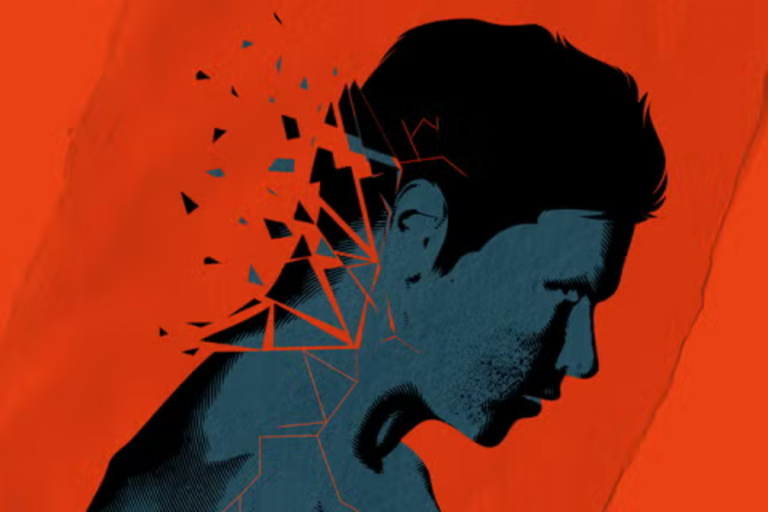
You might picture depression as someone who is constantly crying or unable to get out of bed. For many fathers, it looks very different.
What paternal depression can look like
Up to around 10.4% of fathers experience depression between pregnancy and one year postpartum, with symptoms often peaking 3 to 6 months after birth. In dads, depression can show up as:
- Irritability and anger
- Emotional distance or numbness
- Overworking or staying busy to avoid being home
- Changes in appetite or weight
- Sleep problems beyond what you would expect with a baby
- More alcohol or drug use
- Feelings of hopelessness or worthlessness
Because this does not always look like “sadness,” you may not recognize it as depression in yourself. Your partner or family might miss it too.
Anxiety and constant tension
Anxiety is also common for new fathers. You might experience:
- Racing thoughts and what-if scenarios
- Physical symptoms like headache, stomach upset, tight chest, or restlessness
- A sense that something bad is about to happen
- Avoidance of certain tasks with the baby out of fear of messing up
Left untreated, anxiety and depression in fathers can affect your relationship, your ability to show up as the parent you want to be, and even your child’s emotional and behavioral development over time.
If you ever have thoughts of harming yourself or feel like your family would be better off without you, that is a medical emergency, not a personal failure. Contact emergency services or your local crisis lifeline right away.
Why asking for help is so hard for dads
Even though paternal depression and anxiety are common, many fathers never seek help. Nearly half of men with mental health conditions do not get treatment, and men die by suicide at nearly four times the rate of women.
There are a few key reasons this happens.
Cultural norms about masculinity
If you grew up being told to “man up,” “tough it out,” or “never show weakness,” it makes sense that admitting you are struggling feels dangerous. You may have internalized the idea that needing help means you are failing as a man or as a father.
The reality is the opposite. Taking care of your mental health is part of taking care of your family. When you are emotionally drained or on edge all the time, everyone in the home feels it.
Systemic barriers and lack of father-specific support
Fathers often face:
- Limited time, especially with demanding jobs
- Cost and insurance hurdles
- Lack of childcare so they can attend appointments
- Few services that are clearly designed for dads
Many men also report that health providers rarely ask them directly about how they are doing mentally, so problems go unnoticed. Dr. Craig Garfield and colleagues have advocated for routine screening and engagement of fathers throughout pregnancy and the perinatal period for exactly this reason.
New public health tools like the Pregnancy Risk Assessment Monitoring System (PRAMS) for Dads are beginning to track fathers’ experiences, showing how much they influence infant health behaviors such as breastfeeding and safe sleep practices. This type of work is an important step toward better support for paternal mental health.
How your mental health affects your child
Your mental health is not just about you. It is part of the environment your child grows up in.
Research shows that paternal depression, anxiety, and stress in the perinatal period are linked with poorer child outcomes in social, emotional, cognitive, and language development. Other reviews have found that paternal mental illness increases the risk of both internalizing behaviors, like anxiety or sadness, and externalizing behaviors, like aggression and hyperactivity in children.
This does not mean that if you are struggling, your child is “doomed.” It means your wellbeing matters. When you get support, you are not only helping yourself, you are improving the emotional climate of your home and supporting your child’s long‑term development.
Practical ways to protect your mental health
You cannot remove every stress of fatherhood, but you can change how supported and resourced you feel while you navigate it. Small, consistent shifts often matter more than big dramatic changes.
Acknowledge what you feel without judgment
Start by honestly naming what is going on for you: “I feel overwhelmed and short‑tempered.” “I feel disconnected from my baby.” “I feel scared about money.”
Noticing and labeling emotion is a mental health skill. It reduces the intensity of feelings and creates space to choose what to do next, instead of defaulting to anger, withdrawal, or overworking.
Talk to someone you trust
You do not have to share everything with everyone. Choose one or two people you trust, such as:
- Your partner
- A close friend or sibling
- Another dad who “gets it”
- A therapist or counselor
If starting the conversation feels awkward, you can keep it simple: “Becoming a dad has been harder on my mental health than I expected. Could I talk it through with you.” The goal is not to get perfect advice. The goal is to stop carrying it completely alone.
Prioritize sleep where you can
You may not get eight uninterrupted hours for a while, but even small improvements help your mood and patience. Consider:
- Rotating night duties with your partner when possible
- Napping when the baby naps a few times a week instead of always doing chores
- Reducing late‑night screen time that makes it harder to fall back asleep
Sleep is not selfish. It is a foundation for being present and calm with your family.
Set boundaries with work
If your job allows, explore options like:
- Temporary flexible hours
- Remote days when possible
- Clear limits on after‑hours emails or calls
Work commitments are a major source of stress and role conflict for many fathers. Setting even one boundary can reduce chronic strain and free up more mental space for parenting and your relationship.
Move your body and care for your health
You do not need an intense gym routine to feel better. Short, consistent movement like a 20‑minute walk with the stroller, light strength training at home, or stretching before bed can improve mood and energy.
If you have let health checkups slide, consider scheduling a general physical. Many men aged 15 to 44 enter fatherhood with health risks like overweight, binge drinking, or high STI risk, and about 60% need preconception or perinatal care. Looking after your physical health is part of the mental health picture too.
When and how to get professional help
If you notice that your symptoms are sticking around, getting worse, or interfering with work, relationships, or daily responsibilities, it is time to talk with a professional. Signs that support could really help include:
- Feeling down, hopeless, or irritable most days for more than two weeks
- Losing interest in things you usually enjoy
- Feeling detached from your baby or partner
- Using alcohol or drugs more often to cope
- Having thoughts that your family would be better off without you
You can start by:
- Talking to your primary care doctor and asking for a mental health screening
- Seeking out a therapist who has experience with men’s mental health or perinatal issues
- Looking into father‑specific support groups, like those highlighted by Postpartum Support International and “Boot Camp for New Dads”
You do not need to have everything figured out before reaching out. You just need to be willing to say, “Something is off, and I want help finding my way back.”
The bottom line
Fatherhood and mental health are tightly linked. Your brain, body, identity, and relationships all shift when you become a dad, and those changes can be both deeply rewarding and genuinely hard.
Struggling does not mean you are weak or ungrateful. It means you are human, living through a big transition without an instruction manual. By noticing what you feel, sharing some of it with others, caring for your body, and seeking professional help when needed, you give yourself and your family a healthier, more connected version of you.
You deserve that, and so do the people who love you.
About the Author