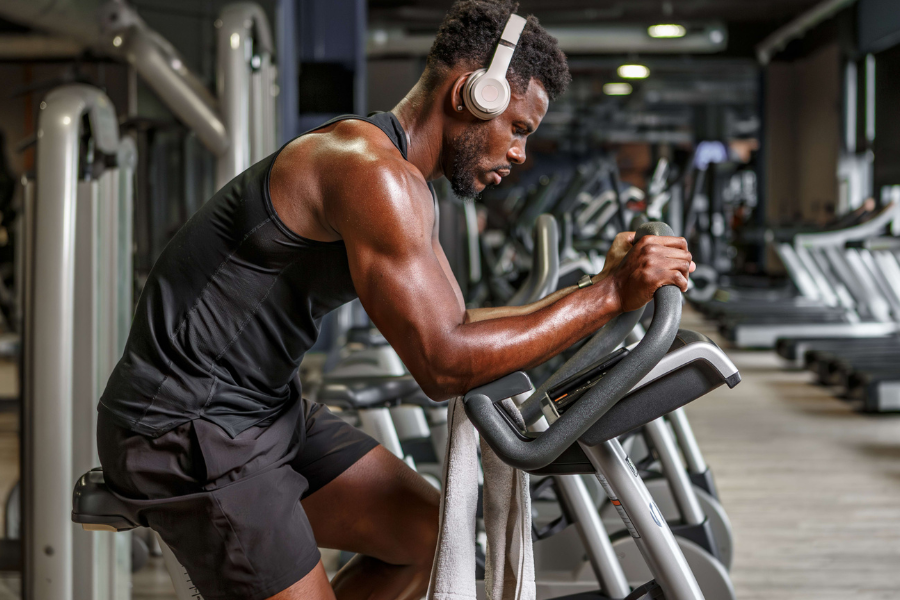
Cycling on an exercise bike can be a game-changer for your cardio routine—especially if you find traditional workouts hard to stick with. By customizing your sessions and staying engaged, you will maximize the benefits of every ride. Whether your goal is improved cardiovascular health or shedding a few extra pounds, you can make each session feel fresh, fun, and worth the sweat.
A stationary bike also puts less stress on your joints compared to running, making it a fantastic option for consistent, long-term training. Below, you will find helpful steps to keep every ride exciting, including tips on setup, form, interval training, and progress tracking.
Start with the right mindset
Before you hop on and start pedaling, take a moment to set clear goals. Ask yourself what you hope to achieve from your exercise bike workouts. Do you want to boost endurance, lose weight, or simply clear your head after a stressful day at work? A strong purpose will energize you to climb onto the saddle, even when motivation is in short supply.
Give yourself small victories along the way. Instead of jumping straight into an hour-long ride, plan shorter sessions that you can build upon. Celebrating small wins—like sticking to a 20-minute routine for a full week—keeps your confidence high and makes bigger goals feel more attainable.
Adjust your bike properly
A comfortable, well-fitted bike is critical for effective rides. If your seat height is off or your handlebars feel awkward, you risk fatigue or potential injury. Take a few minutes to fine-tune the position before you begin.
- Seat height: Adjust so your knees have a slight bend at the bottom of each pedal stroke.
- Handlebar position: Set it so you can keep your shoulders relaxed, without overreaching.
- Seat proximity: Move the seat forward or back until your knee is aligned over the middle of your foot when the pedal is at three o’clock.
These small tweaks help you maintain proper posture and pedal more efficiently. You will notice that your legs feel stronger and you can ride longer when your body is aligned just right.
Warm up each session
A gentle warm-up primes your muscles for the effort ahead and helps you avoid injuries. You might think you can crank out maximum resistance right away, but jumping into high intensity too fast can strain your body. Instead, spend the first five minutes at a lower resistance, keeping your pedals spinning comfortably. This slow start boosts blood flow and gradually raises your heart rate.
A warm-up also gives you a mental transition into your workout. Use these initial minutes to focus on your breath and settle into the present moment. By the time you increase resistance, you will already feel physically and mentally committed to the ride.
Add variety with intervals
Steady-state rides are good for endurance, but intervals can supercharge your results. Intervals involve alternating between bursts of high intensity and periods of lighter effort. This style of training not only burns more calories in less time, but it also challenges your cardiovascular system to adapt faster.
Below is a basic 20-minute interval routine you can try. Adjust the intensities based on your comfort level and experience:
| Time (minutes) | Intensity (RPE) | Description |
|---|---|---|
| 0–2 | 4–5 | Easy warm-up pedaling |
| 2–4 | 6–7 | Moderate pace, slight burn in the legs |
| 4–5 | 8–9 | High-intensity sprint or climb |
| 5–7 | 4–5 | Recover at an easy pace |
| 7–9 | 6–7 | Moderate pace again |
| 9–10 | 8–9 | Another sprint or big-resistance climb |
| 10–12 | 4–5 | Recover, easy pedaling |
| 12–14 | 6–7 | Moderate pace |
| 14–15 | 8–9 | Final sprint or hill |
| 15–20 | 4–5 | Cool down slowly |
RPE stands for Rate of Perceived Exertion. A lower rating (4–5) feels relatively easy, while higher numbers (8–9) should feel demanding enough that you can only maintain them briefly. Incorporating even one or two rounds of intervals per ride can help break plateaus and keep you from mindlessly pedaling at the same speed.
Focus on body alignment
Even if your bike is set up correctly, you can still slip into poor posture once you are absorbed in your music or a TV show. Good form matters because it helps you target the right muscles while reducing aches and pains.
Keep your spine neutral and shoulders away from your ears. Aim for a slight bend in your elbows. Avoid rounding your back by rolling your shoulders down and back. This setup not only promotes proper breathing but also engages your core and keeps your comfort level high. The less tension you carry in your upper body, the more relaxed and efficient your pedal stroke becomes.
Track progress to stay driven
Recording your metrics can be one of the best ways to maintain motivation. Keep an eye on different aspects of your ride, such as duration, total distance, average speed, or calories burned. Seeing these metrics improve over days or weeks shows that your efforts are paying off and gives you concrete evidence of your growth.
You can log your workouts on a smartphone app or a simple notepad. Note how you felt after each session as well. Maybe you felt energized an hour later, or maybe your legs felt just the right amount of sore. Watching these patterns empowers you to identify what works best, whether that is more frequent moderate rides or fewer, higher-intensity sessions.
Cool down for faster recovery
Devote a few minutes at the end of your workout to a gentle cooldown. The goal is to guide your body back to its resting state, preventing blood from pooling in your legs and aiding in overall muscle recovery. Pedal at a slow, comfortable pace for three to five minutes, then step off and add light stretches for your quads, hamstrings, and calves.
This quiet period helps lower your heart rate and keeps you feeling strong and ready for your next ride. It also can be a moment to reflect on the ride you just completed—what went well, how your energy levels felt, and what you might tweak in the future to keep making steady progress.
Your exercise bike workouts can be as versatile and challenging as any other fitness routine. With mindful preparation, variety, and consistent tracking, you will stay motivated to climb onto the saddle and push yourself a little further each time. Think of each session as a chance to grow your stamina, clear your mind, and celebrate the momentum you are building toward better health.
About the Author