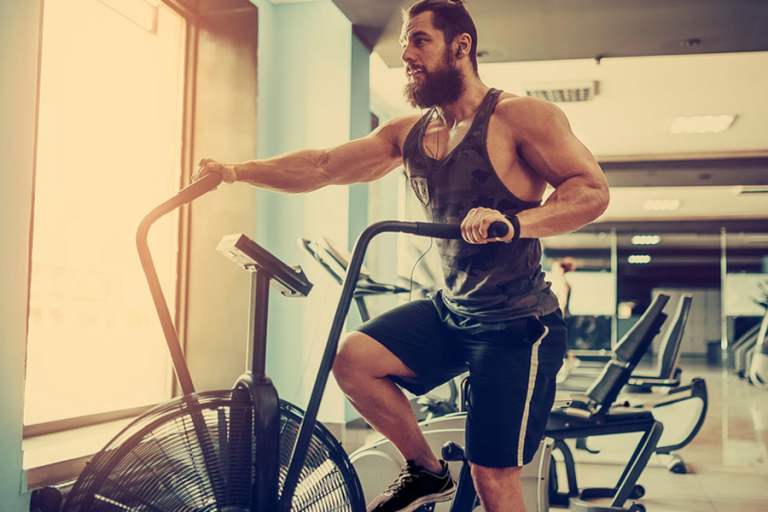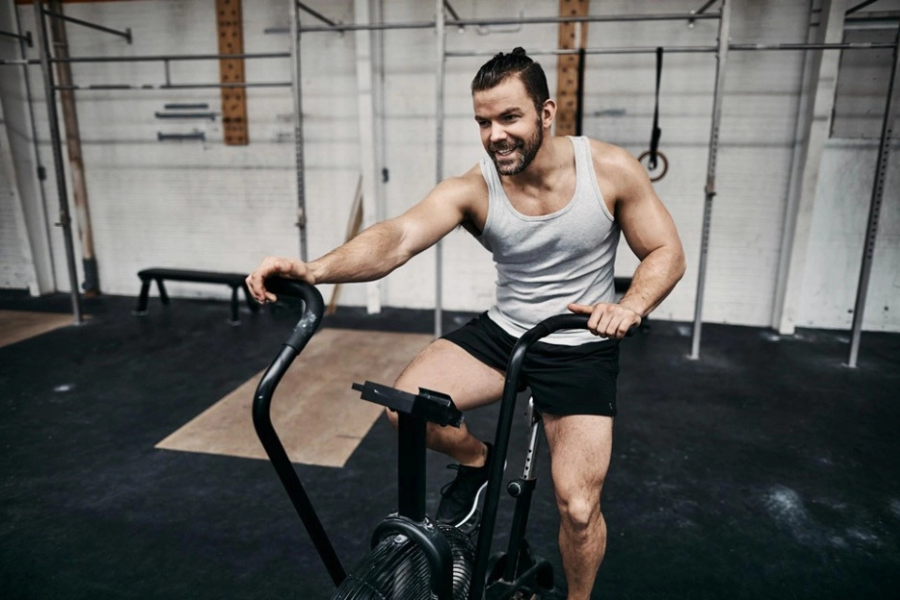
You might think that an exercise bike workout for beginners is just another piece of gym equipment, but it offers more than a basic path to fitness. Whether you are stepping into a fitness routine for the first time or returning after a long break, an exercise bike represents a safe, convenient, and highly effective way to improve your health. By gradually building endurance and strength, you set yourself up for steady progress without overstretching your limits.
The best part is that you can pedal your way to better fitness in nearly any space. Unlike running or high-impact training, an exercise bike workout for beginners can be done in a living room corner or a home office, and it accommodates a variety of fitness levels. You do not need to worry about complicated moves or extreme routines. Instead, you can focus on consistent pedaling, gentle resistance, and gradual improvements.
Understand why it works
An exercise bike offers a low-impact workout that puts minimal stress on your joints. For beginners, this advantage is key. Instead of risking injury by jumping headlong into strenuous exercises, you are in control of the pace, distance, and resistance.
Instead of pounding your knees on pavement or running up and down stairs, you can sit comfortably and pedal at an intensity that feels right. You still move your major muscle groups—like your quadriceps and hamstrings—while cushioning your joints from strain. Over time, ramping up tension or increasing intervals helps improve your stamina without compromising your comfort level.
Why low impact matters
- It reduces the chance of joint aches or injuries.
- It allows you to participate regardless of age or fitness level.
- It helps you recover quicker between workouts due to less stress on the body.
- It suits diverse fitness goals, from weight loss to active recovery between other workouts.
Strengthen your cardiovascular health
Consistent cycling is one of the best ways to nurture a healthier heart. Your body learns to pump blood more efficiently when you challenge yourself on the bike, even with short sessions. Over time, you may notice steadier breathing, better endurance, and easier recovery after physical tasks, such as climbing stairs or carrying groceries.
You do not have to pedal as fast as a professional cyclist. Instead, maintain a pace that keeps your heart rate in a moderate, steady zone. As your fitness progresses, you can boost your resistance, increase your speed bursts, or cycle for a longer duration. These adjustments gently push your cardiovascular system to do more and help you keep raising the bar on your fitness.
Manage weight without heavy impact
When it comes to weight loss or managing your current weight, consistency is often more important than intensity. An exercise bike workout for beginners allows you to stick with a routine without burning out or risking injury. The controlled environment also makes it easier to gradually adjust your workout intensity—if you are in the early stages of a weight-loss journey, even 20 minutes of cycling a few times a week can deliver results over time.
As you grow accustomed to pedaling, you can add intervals. For example, try cycling at a moderate pace for two minutes, then switch to a higher intensity for 30 seconds, then return to your moderate pace. These small bursts of increased effort boost your metabolism and help you burn more calories, all while staying within a manageable range of exertion.
Enhance your mental well-being
There is something reassuring about the rhythm of pedaling, and it can also be a stress buster. Feeling the steady motion beneath your feet and tracking your speed or distance can help you focus on the present moment. For many beginners, the exercise bike becomes a form of active meditation, particularly if you cycle to your favorite music or podcast.
This mental lift is backed by science. Physical exercise encourages the release of endorphins, which enhance your mood and support mental resilience. If you find your energy or motivation dipping, a short cycling session can help clear your mind. You might also find that setting small cycling goals—like adding 1 extra minute per session—keeps you positively engaged and inspired.
Keep your workout safe and convenient
Safety is a top priority when you start a new fitness routine. On an exercise bike, you are less likely to trip or fall due to sudden movements, which is reassuring if you are worried about injuries. You can also keep necessities—like water, a towel, or your phone—within easy reach. That convenience allows you to pedal at any time of day without the typical barriers that come with outdoor workouts or busy gyms.
Working out in your home environment gives you the power to experiment with different schedules. If mornings are best for you, set your alarm a bit earlier and start spinning to energize your day. If you prefer unwinding in the evening, hop on the bike after work. The more natural it feels to include a short session in your daily routine, the more likely you are to stick with it.
Simple safety checks
- Adjust the bike seat so that your legs are only slightly bent at the bottom of each pedal stroke.
- Keep your back straight and shoulders relaxed.
- Begin with light resistance and shorter sessions, then ramp up gradually.
- Stay hydrated before, during, and after your workout.
Start your routine with confidence
When you begin, your first few sessions might feel challenging, but that is normal. What matters is developing a sustainable habit. Think of it as a gradual build. Aim for short, consistent rides and celebrate each improvement. Even a few minutes of pedaling regularly can lead to substantial results over time.
Below is a sample progression plan that you can adapt to your needs:
- Week 1: Ride for 10 minutes at an easy pace, 3 times a week.
- Week 2: Increase to 15 minutes per session. Keep your pace comfortable.
- Week 3: Add short 20-second bursts of higher intensity midway through your ride.
- Week 4: Extend your total ride time to 20 minutes, maintaining moderate intensity.
- Week 5 and beyond: Experiment with more intervals, higher resistance, or extra days to keep challenging yourself.
It is completely normal to tweak the plan based on how your body feels. If you are feeling strong, consider higher resistance spikes. If you need more rest, reduce the intensity. Steadily building on these small steps ensures your body adapts without overwhelming your muscles and joints.
Encouraging a smooth journey
- Warm up for a couple of minutes with gentle pedaling.
- Steadily apply resistance as you feel more confident.
- End each ride with a short cooldown and light stretching.
You do not need all-day commitments to see progress. Short but frequent workouts can transform your stamina, boost weight management, and brighten your mood. Each ride invites you to connect with your body and track small wins, such as pedaling for an extra minute or adding a touch more resistance.
Remember, the key to an exercise bike workout for beginners is consistency over perfection. You are creating a foundation that supports all your future fitness goals. By respecting your limits and gradually increasing intensity, you will experience the joy of steady improvements without feeling overworked or discouraged. Enjoy the journey and celebrate every pedal forward.
About the Author