A lot of diets promise quick results and leave you hungry, tired, and frustrated. The DASH diet is different. It was originally designed to lower high blood pressure, but research now shows that a smart DASH diet weight loss plan can also help you reach a healthy weight in a way that feels sustainable and realistic for everyday life.
Below, you will learn how the DASH diet works for weight loss, what a typical day of eating looks like, and the simple tweaks that make this heart healthy plan fit your real schedule, budget, and taste buds.
Understand how the DASH diet helps you lose weight
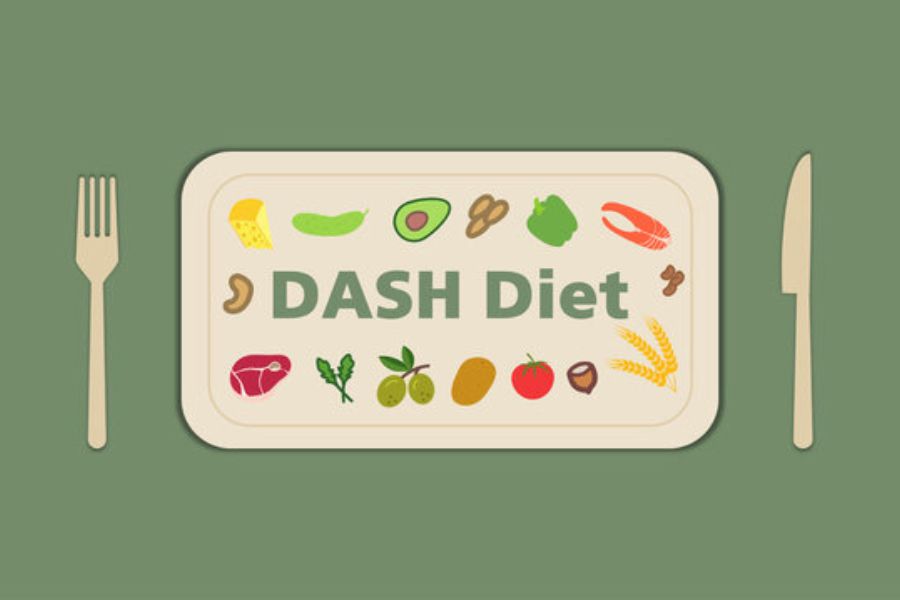
The DASH diet focuses on whole, minimally processed foods that naturally support both weight loss and heart health. It is built around fruits, vegetables, whole grains, lean protein, and low fat dairy, while keeping sodium, added sugars, and saturated fat on the lower side.
A study highlighted in JAMA Internal Medicine found that people following the DASH approach lost weight as they reduced red meat, sodium, fats, and refined sugars, and they also improved their overall health profile (Live Science). In a 2016 review, people on the DASH diet lost about 3.1 pounds over 8 to 24 weeks and had small but meaningful drops in BMI and waist size compared with those on other diets, with even better results if they started out overweight or obese (Live Science).
You are not relying on tricks or exotic foods. You are simply eating in a way that helps you feel full on fewer calories, which makes losing weight more manageable.
Know the core DASH diet building blocks
To use the DASH diet for weight loss, it helps to understand the basic structure. The standard plan is around 2,000 calories a day, but you can adjust that up or down based on your goals and activity level (Live Science, MedlinePlus).
On a typical day, your plate will be centered on:
- Whole grains
- Fruits
- Vegetables
- Low fat or nonfat dairy
- Lean proteins like poultry, fish, beans, and lentils
- Healthy fats in small amounts
Instead of counting every calorie, you focus on portions from each food group. For many people, that structure is easier to stick with than strict calorie tracking.
What a day on DASH might look like
Here is an example of how the DASH principles can come together in a normal day:
- Breakfast: Oatmeal with berries and a spoonful of chopped nuts, plus a small glass of low fat milk
- Lunch: Large salad with mixed greens, chickpeas, colorful veggies, a small portion of grilled chicken, and a vinaigrette, plus a slice of whole grain bread
- Snack: Low fat yogurt with fruit
- Dinner: Baked salmon, roasted sweet potatoes, and steamed broccoli
- Treat: A small square of dark chocolate or a few chips instead of half a bag
You are not cutting out entire food groups. You are just shifting the balance so the majority of your calories come from nutrient dense options.
Use DASH friendly foods to feel full on fewer calories
One of the secrets to successful DASH diet weight loss is satiety, or how full you feel after eating. Foods rich in fiber and water, like fruits, vegetables, and whole grains, take up space in your stomach and digest more slowly. That helps you stay satisfied between meals.
The DASH diet emphasizes foods that are high in potassium, calcium, magnesium, and antioxidants. Think beets, broccoli, sweet potatoes, and berries. These nutrients help combat oxidative stress and support lower blood pressure, which is good for your heart and can indirectly support weight control (Live Science).
Protein plays a key role too. Lean meats, fish, eggs, beans, and low fat dairy give you staying power without a lot of extra saturated fat. When you build your meals around vegetables plus protein plus a whole grain, you end up with a plate that looks generous but is still calorie conscious.
Adjust portions for your personal weight loss goal
The original DASH plan was not specifically a weight loss diet, but you can easily turn it into one by adjusting portions and calories. MedlinePlus notes that DASH eating plans can range from 1,200 to 3,100 calories per day, depending on your age, sex, activity level, and health status (MedlinePlus).
A simple way to begin is:
- Start with your usual plate.
- Double the servings of vegetables.
- Keep your protein portion about the size of your palm.
- Reduce starchy sides like rice or pasta to about half of what you would normally eat.
- Keep added fats, such as butter and heavy dressings, to small spoonfuls instead of generous pours.
By doing this, you automatically lower your calorie intake while still feeling like you ate a complete, satisfying meal.
If you want a more structured approach, you can pick a daily calorie level from the DASH guidelines and match your servings of grains, fruits, vegetables, dairy, and protein to that target (MedlinePlus).
Think of DASH as a flexible template. You keep the food groups, but you gently nudge the portions to line up with your weight loss goal.
Cut salt without cutting flavor
Since the DASH diet was created to lower blood pressure, sodium reduction is an important part of it. Lower sodium intake supports heart health directly, and it also encourages you to move away from heavily processed, calorie dense foods.
The standard DASH plan suggests limiting sodium to 2,300 milligrams a day, and there is also a lower sodium version that caps it at 1,500 milligrams (MedlinePlus). If you have kidney issues or are on certain medications, you should talk to your healthcare provider before increasing potassium intake or using salt substitutes.
You do not have to eat bland food. Instead, you can:
- Avoid high salt convenience foods like processed snacks, cured meats, and salty takeout (Live Science).
- Use herbs, spices, citrus, garlic, and vinegar to build flavor.
- Add salt at the table only after you have tasted your food.
- Limit sauces that are usually high in sodium, such as soy sauce and packaged gravies.
These changes help you rely less on processed foods that often contain hidden fats and sugars. This naturally supports both weight loss and better blood pressure.
Learn from real life DASH success
It is one thing to read about a plan on paper, and another to see how it works for a real person. Izzy, a 60 year old clerk, followed the DASH eating plan for two years and experienced significant weight loss along with a drop in blood pressure to around 110 to 115 over 60 to 65 (Alberta Health Services, Kaiser Permanente).
She did not rely on extreme rules. Instead, she:
- Centered her meals on large servings of raw vegetables. Lunch might be a big plate of cauliflower, broccoli, radishes, cucumbers, carrots, and tomatoes, with smaller portions of other foods on the side (Alberta Health Services, Kaiser Permanente).
- Made sure she got three servings of low fat dairy every day, often through low fat mozzarella sticks and fruit smoothies made with nonfat vanilla yogurt (Alberta Health Services, Kaiser Permanente).
- Continued to enjoy favorite foods like nachos, but in small, occasional portions so she did not feel deprived (Alberta Health Services, Kaiser Permanente).
Her story shows that you can make the DASH diet your own and still see real, long term results.
Combine the DASH diet with movement
Food is a major part of weight loss, but your daily movement matters too. The National Heart, Lung, and Blood Institute and MedlinePlus recommend pairing the DASH diet with regular activity for the best impact on both your weight and your heart.
Guidelines suggest:
- At least 30 minutes of moderate intensity exercise on most days of the week to support heart health and help with weight loss
- Around 60 minutes a day to help prevent weight gain and support maintenance after you have reached your goal (MedlinePlus)
You do not have to start with intense workouts. Brisk walking, cycling, dancing in your living room, or gardening all count. The key is to choose activities you actually enjoy so you are more likely to stay consistent.
Make the DASH diet fit your lifestyle
One reason the DASH diet is often recommended by health professionals is its flexibility. It can be adapted for vegetarians, vegans, or gluten free eaters. It also encourages a higher fiber intake from fruits, vegetables, and whole grains, which supports both digestion and fullness. If you are not used to a lot of fiber, it is a good idea to increase it gradually and drink plenty of water to avoid stomach discomfort (MedlinePlus).
You can tailor the plan to your preferences:
- Prefer plant based meals? Focus on beans, lentils, tofu, nuts, seeds, and whole grains as your main protein sources.
- Need quick options? Keep pre washed salad greens, frozen vegetables, canned beans (rinsed), and precooked brown rice on hand.
- On a budget? Choose seasonal produce, store brands, and frozen fruits and vegetables. These are often cheaper and still nutrient rich.
The goal is not perfection. It is progress that you can maintain. Small swaps, like replacing one sugary drink a day with water or seltzer, or trading a salty snack for a piece of fruit and a handful of nuts, add up over time.
Avoid common pitfalls when using DASH for weight loss
Because the DASH diet contains so many healthy foods, it can be easy to assume that all portions are unlimited. For weight loss, you still want to pay some attention to how much you are eating, especially with higher calorie items like nuts, oils, and full fat cheeses.
A few traps to watch for:
- Oversized portions of whole grains and starchy sides that push your calories higher than you realize
- Frequent high sugar snacks and desserts, even if the rest of your diet is very healthy
- Processed foods that appear healthy at a glance but are loaded with sodium and added sugars
To successfully use the DASH diet for weight loss, it is helpful to avoid high salt foods like processed snacks, cured meats, and many takeout meals. You can flavor food with herbs and spices instead, and keep added sugars low by using small amounts of honey or low calorie sweeteners when needed (Live Science).
Put it all together
The DASH diet gives you a clear, flexible framework that supports both heart health and weight loss. It focuses on:
- Plenty of fruits, vegetables, whole grains, and low fat dairy
- Lean proteins and healthy fats in sensible amounts
- Lower sodium and added sugars
- Realistic portions that respect your calorie needs
If you combine these principles with regular movement and a few lifestyle tweaks that fit your routine, you create a way of eating that can serve you for years, not just weeks.
You do not need to change everything at once. Try one shift today, like adding an extra serving of vegetables to your lunch or cooking dinner with herbs instead of extra salt. Then build from there, one simple habit at a time.
About the Author