A heart healthy eating pattern is one of the strongest tools you have to protect your weight, blood pressure, and long term health. If you have started comparing the DASH diet vs Mediterranean diet, you are already looking in the right place. Both are well researched, flexible, and built around real food instead of quick fixes.
Below, you will see how each plan works, where they overlap, and which might be a better fit for your goals and lifestyle.
Understand the basics of each diet
Before you choose sides in the DASH diet vs Mediterranean diet debate, it helps to know what each one is designed to do.
What the Mediterranean diet focuses on
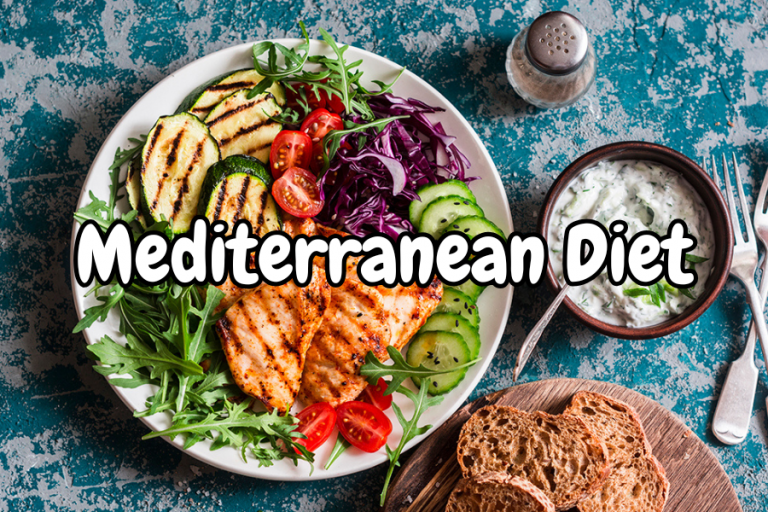
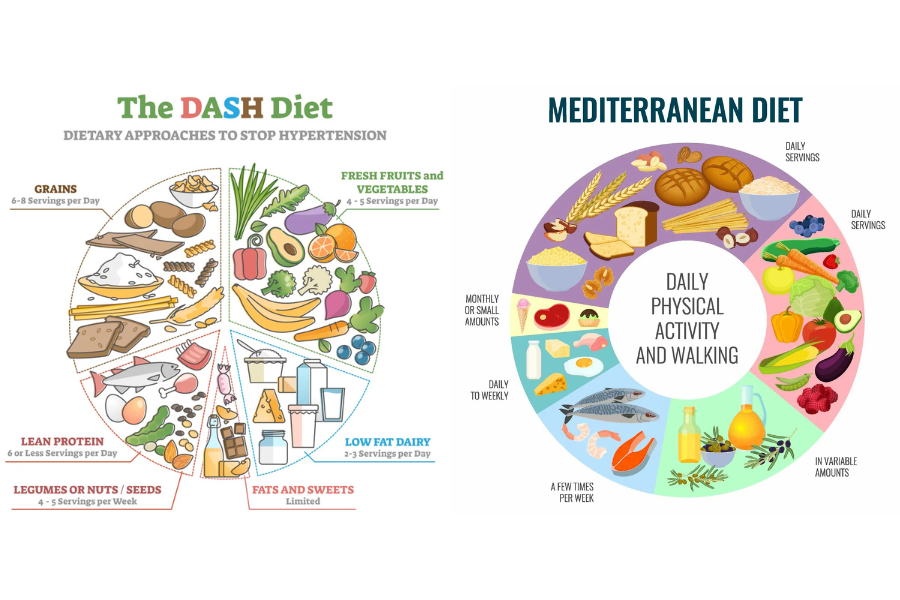
The Mediterranean diet comes from the traditional eating habits of countries like Greece, Italy, and Spain. It is largely plant based and centers on:
- Fruits and vegetables
- Whole grains
- Legumes like beans and lentils
- Nuts and seeds
- Olive oil as the main fat
- Regular fish and seafood
- Smaller amounts of poultry, eggs, and dairy
- Limited red meat and highly processed foods
It also emphasizes slow, social meals and an active lifestyle, which help you stick with it for the long term (Mayo Clinic Diet).
What the DASH diet focuses on
DASH stands for Dietary Approaches to Stop Hypertension. It was created by the National Heart, Lung, and Blood Institute to lower blood pressure without relying on medication. The DASH diet encourages:
- Plenty of fruits and vegetables
- Whole grains
- Lean protein like fish, poultry, and beans
- Low fat or fat free dairy
- Nuts and seeds in modest amounts
- Limited sweets, sugary drinks, and saturated fat
DASH is especially strict about sodium. You choose one of two levels: about 2,300 milligrams of sodium per day for general use or about 1,500 milligrams per day if you are over 51, have high blood pressure, diabetes, kidney disease, or are African American (Chefs for Seniors).
Compare the core principles
At first glance, the DASH diet vs Mediterranean diet look similar. Both are built around whole, minimally processed foods and both limit added sugars and saturated fats. The differences appear when you look closely at fats, sodium, and how strict each plan is.
Here is a simple side by side view:
| Feature | Mediterranean diet | DASH diet |
|---|---|---|
| Main goal | Overall heart and metabolic health, long term lifestyle | Lowering blood pressure, with added weight and heart benefits |
| Key foods | Veggies, fruits, whole grains, legumes, nuts, olive oil, fish | Veggies, fruits, whole grains, lean meats, low fat dairy, nuts |
| Fats | Encourages olive oil, nuts, and fish for healthy fats (Mayo Clinic Diet) | Limits saturated fat, does not spotlight olive oil as strongly |
| Sodium | No specific sodium target for most people | Clear sodium limits of about 2,300 mg or 1,500 mg per day (Chefs for Seniors) |
| Fish and nuts | Promotes fish twice a week, daily nuts, and olive oil (Chefs for Seniors) | Includes nuts and fish but focuses more on overall servings and sodium |
| Red and processed meat | Eat sparingly | Two or fewer servings per week (Chefs for Seniors) |
Both patterns are flexible and can be adjusted for vegetarian, pescatarian, or omnivorous preferences. The main question is whether you want a clear sodium target or a more general lifestyle pattern.
Look at the proven health benefits
When you weigh the DASH diet vs Mediterranean diet, you are not choosing between a strong plan and a weak one. Both have decades of research behind them.
Heart and blood pressure benefits
Both diets are strongly linked with better heart health. The Mediterranean diet helps your heart by supplying healthy fats like monounsaturated fats from olive oil and omega 3s from fish, which support healthier cholesterol and less inflammation (Mayo Clinic Diet).
The DASH diet tackles your heart from a different angle. By cutting sodium and increasing potassium, calcium, and magnesium through fruits, vegetables, whole grains, and dairy, it directly helps manage or prevent high blood pressure (Mayo Clinic Diet). That is why doctors often recommend DASH first when you are diagnosed with hypertension.
In Mediterranean countries, following a traditional Mediterranean diet has been especially powerful. In a 10 year study from Athens, people who stuck most closely to the Mediterranean diet had a much lower risk of fatal and non fatal cardiovascular disease compared with those who followed it the least. Only about 3.1 percent in the highest adherence group developed cardiovascular disease, while about one third did in the lowest adherence group (PMC). After adjusting for lifestyle and health factors, high adherence to the Mediterranean diet was linked to a roughly fourfold reduction in 10 year cardiovascular events, while high adherence to the DASH diet in that population did not show a similar reduction (PMC).
This does not mean DASH is ineffective. In that specific Mediterranean population, the traditional diet simply fit better with their culture and habits. For you, the best choice will often be the one you can maintain.
Weight loss and metabolic health
Neither the DASH diet nor the Mediterranean diet is technically a weight loss diet. Both are eating patterns that prioritize health first. However, each can support slow, steady weight loss when you pair it with a calorie deficit.
The Mayo Clinic Diet notes that both patterns, when combined with portion awareness and calorie guidelines, can help you lose weight in a gradual and sustainable way (Mayo Clinic Diet).
If you are working on type 2 diabetes or prediabetes, there is encouraging research for both. Two systematic reviews found that Mediterranean, DASH, and vegetarian style diets all improved A1C in people with type 2 diabetes, with an average reduction of about 0.8 percent across patterns. One study saw A1C drop by about 1.7 percent on a DASH style plan and others saw reductions of about 1.2 percent and 0.9 percent with Mediterranean eating after one and four years (Diabetes Spectrum).
A separate group of analyses found that Mediterranean diets were linked with A1C decreases of roughly 0.3 to 0.47 percent. Low calorie Mediterranean diets in particular were associated with greater A1C reduction, higher remission rates, and a delay of around two years before diabetes medication was needed when compared with low fat diets in newly diagnosed type 2 diabetes (Diabetes Spectrum).
Limited but promising data exist for DASH and blood sugar. In one small 8 week trial, DASH led to about a 1.7 percent drop in A1C compared with a traditional American Diabetes Association diet. Another 4 week study saw moderate A1C improvement plus significant blood pressure reductions on DASH (Diabetes Spectrum).
In simple terms, if you shift your plate toward the whole foods featured in either diet, you are likely to see benefits in weight, blood pressure, and blood sugar.
Decide which diet fits your goals
To choose between the DASH diet vs Mediterranean diet, start by asking what you need most right now and what you can realistically maintain.
Choose DASH if blood pressure is your top concern
You might lean toward DASH if:
- You already have high blood pressure or are on blood pressure medication
- Your doctor has asked you to limit sodium
- You prefer clear serving targets and structure
- You are comfortable tracking labels for sodium content
DASH gives you specific sodium goals, around 1,500 or 2,300 milligrams per day, and very clear recommendations about how many servings of each food group you should aim for. That structure can feel reassuring if you want a step by step plan.
Choose Mediterranean if you want a flexible lifestyle pattern
You might lean toward the Mediterranean diet if:
- You do not need strict sodium limits or already eat fairly low sodium
- You want more emphasis on healthy fats like olive oil, nuts, and fish
- You enjoy cooking and eating with others
- You prefer guidelines over precise serving counts
The Mediterranean diet tends to feel less like a diet and more like a way of living. It also appears particularly effective at reducing long term cardiovascular risk in Mediterranean style cultures (PMC) and may offer broad benefits for metabolic health and quality of life.
If you have high blood pressure, your healthcare provider may still want you to borrow DASH sodium limits and combine them with Mediterranean foods. That kind of hybrid pattern is common in practice.
Blend the best of both approaches
You do not have to choose a strict winner in the DASH diet vs Mediterranean diet conversation. Many people get the best results by blending the two.
For example, you might:
- Build most of your meals from vegetables, fruits, whole grains, beans, lentils, nuts, and seeds as both diets recommend
- Use olive oil as your main cooking fat and include fish at least twice a week, as in the Mediterranean pattern (Chefs for Seniors)
- Follow DASH style sodium limits, especially if you have or are at risk for high blood pressure (Chefs for Seniors)
- Limit red and processed meat to no more than a couple of small servings per week, which both patterns support (Chefs for Seniors)
Both diets discourage processed foods, added sugars, and excessive alcohol. They support overall health and chronic disease prevention, with key differences in sodium and fat emphasis. Which one you lean toward can depend on your preferences, medical history, and the guidance of your healthcare team (Chefs for Seniors).
Take practical next steps
Instead of trying to switch your entire eating pattern overnight, start with one or two realistic changes you can keep.
You might:
- Add one extra serving of vegetables at lunch and dinner
- Swap butter for olive oil in most of your cooking
- Choose unsalted nuts as a snack instead of chips
- Buy low sodium versions of canned beans, broth, and tomato products
- Plan one fish based dinner and one bean based dinner each week
If you are aiming at weight loss, pair these changes with modest portion control, such as using smaller plates and limiting seconds. Remember that both diets can support gradual, sustainable weight reduction when calories are managed thoughtfully (Mayo Clinic Diet).
If you have high blood pressure, diabetes, kidney disease, or heart disease, check in with your doctor or a registered dietitian before making major changes. They can help you fine tune sodium, carbohydrate, and calorie levels so the plan you choose works safely for your health.
In the end, the best choice in the DASH diet vs Mediterranean diet question is the one that fits your life, helps you feel better, and is realistic to follow next month, next year, and beyond. Starting with even one small change today puts you on that path.
About the Author