A dash diet plan is one of the most researched ways to eat for better blood pressure, heart health, and long term wellness. It was created as a flexible eating pattern, not a strict short term diet, and it focuses on foods you can find in any grocery store, not on specialty products or supplements.
You will see the term DASH a lot. It stands for Dietary Approaches to Stop Hypertension. Hypertension is the medical term for high blood pressure, and this plan was specifically designed to lower it. Over time, researchers have found that the DASH diet can also support healthy cholesterol, weight management, and blood sugar control, which is why you hear about it so often in health news today (Mayo Clinic).
What the DASH diet plan actually is
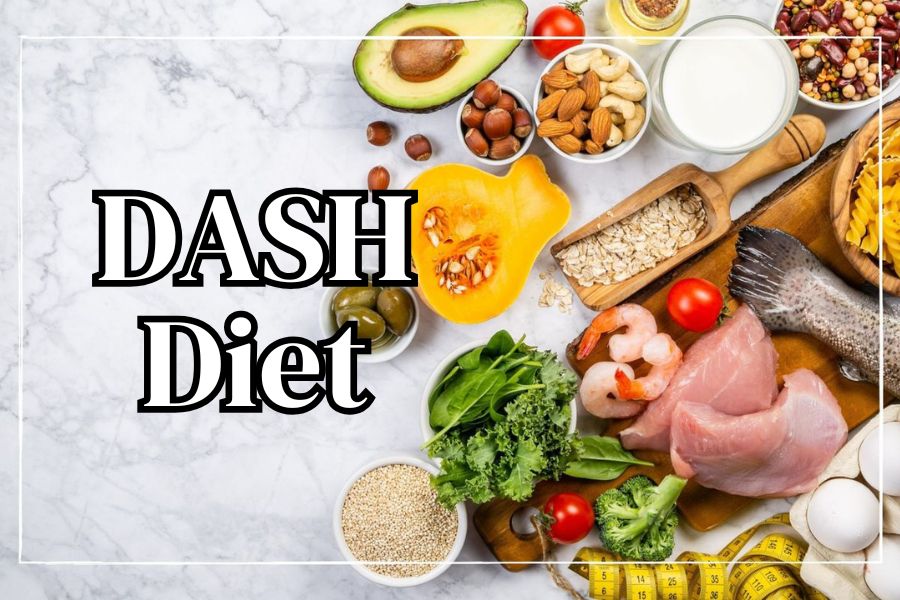
At its core, the dash diet plan is a pattern of eating built around whole, minimally processed foods. The focus is on vegetables, fruits, whole grains, lean proteins, nuts, seeds, and low fat dairy. You also limit sodium and cut back on added sugars and saturated fat.
According to the National Heart, Lung, and Blood Institute (NHLBI), the DASH eating plan provides daily and weekly nutritional goals for a typical 2,000 calorie diet. You do not need special foods. You simply choose items that fit into each food group and portion size (NHLBI).
You can also adjust the plan to your calorie needs. The NHLBI includes worksheets to help you see what you eat now and how many servings from each group you might aim for, which makes the plan more practical in real life (NHLBI).
How the DASH diet supports your health
You might be most interested in weight loss, but it helps to understand what the dash diet plan does inside your body. That way, your motivation is not only about the scale.
The DASH diet is rich in nutrients that directly affect blood pressure and heart health. This includes potassium, calcium, magnesium, protein, and fiber (Mayo Clinic). These nutrients work together to relax blood vessels, balance fluid levels, and support healthy cholesterol.
Long term research funded by the NHLBI has shown that the DASH diet can:
- Lower blood pressure
- Improve cholesterol and other blood lipids
- Support weight loss when combined with a calorie deficit
- Reduce the risk of Type 2 diabetes and heart disease
These benefits are strongest when you follow the eating pattern and also reduce sodium in your diet (NHLBI).
In the original DASH trial, adults who followed the DASH eating pattern had lower blood pressure than those who ate a typical American diet. The biggest reductions appeared after about 8 weeks on the plan (NHLBI). In a separate DASH Sodium trial, people who paired the diet with a sodium limit as low as 1,500 milligrams per day saw the greatest improvement, especially if they started out with higher blood pressure (NHLBI).
What you eat on the DASH diet
With a dash diet plan, you choose from several main food groups each day. For a 2,000 calorie version of the diet, you get a set number of recommended servings from each group, but you can scale that up or down depending on your needs (Mayo Clinic).
Here is a simple overview of what your daily and weekly choices might look like:
| Food group | What it includes | General idea on portions* |
|---|---|---|
| Vegetables | Leafy greens, carrots, peppers, broccoli, tomatoes | Several servings daily |
| Fruits | Fresh, frozen, or canned fruit in water or juice (not syrup) | Several servings daily |
| Whole grains | Oats, brown rice, whole wheat bread or pasta, quinoa | Multiple servings daily |
| Low fat dairy | Skim or 1% milk, yogurt, low fat cheese | A few servings daily |
| Lean meats and poultry | Skinless chicken or turkey, lean cuts of beef or pork | Small portions, limited per day |
| Fish | Fatty fish like salmon, plus white fish | A few times per week |
| Nuts, seeds, legumes | Almonds, walnuts, sunflower seeds, beans, lentils, peas | Several times per week |
| Fats and oils | Vegetable oils, soft margarine without trans fat | Limited daily, focusing on unsaturated fats |
| Sweets and added sugars | Candy, soda, desserts, sugary cereals | Occasional, in small portions |
*Serving numbers depend on your total calorie needs and are set out more precisely in official DASH guidelines (Mayo Clinic).
The pattern encourages you to limit sodium, added sugars, and saturated fats. That usually means fewer processed foods, fewer restaurant meals, and fewer salty snacks.
Sodium limits and why they matter
Sodium is one of the most important parts of the dash diet plan. The standard DASH approach suggests staying under 2,300 milligrams of sodium per day, which is roughly 1 teaspoon of table salt (Mayo Clinic).
There is also a lower sodium version of the diet that aims for 1,500 milligrams per day. Research shows that this lower level can reduce blood pressure even more, especially if you already have high readings (National Heart, Lung, and Blood Institute).
If your current diet includes a lot of processed or restaurant foods, dropping straight to 1,500 milligrams can feel drastic. Experts recommend cutting back gradually so your taste buds have time to adjust. Over time, you will likely start to prefer less salty foods, which makes the DASH pattern easier to maintain (Mayo Clinic).
Can the DASH diet help you lose weight?
The DASH eating pattern was developed to lower blood pressure, but it can also support weight loss. You lose weight when you consistently eat fewer calories than your body uses. The dash diet plan makes that easier by centering filling, high fiber foods and lean proteins.
In the PREMIER clinical trial, people who followed the DASH diet, received lifestyle counseling, and increased physical activity saw the largest drops in blood pressure and more weight loss over 6 months compared with groups who only received advice or followed other interventions (NHLBI).
If weight loss is one of your goals, you can:
- Choose the DASH calorie level that fits your size and activity
- Fill most of your plate with vegetables and fruits
- Pick whole grains instead of refined grains
- Use lean proteins and plant proteins to stay full
- Watch portion sizes for higher calorie foods like nuts, cheese, and oils
The NHLBI menu examples and serving worksheets can be helpful if you are not sure what a balanced day should look like at your calorie level (NHLBI).
What the research says about long term benefits
You are not just relying on theory with the DASH diet. It has been studied for about three decades and continues to show benefits.
Key findings from major studies include:
- Original DASH trial: 459 adults ate either a typical American diet, a fruits and vegetables rich diet, or the DASH diet. Both healthier patterns reduced blood pressure, but the DASH diet produced the largest drop after 8 weeks (NHLBI).
- DASH Sodium trial: 412 adults combined different sodium levels with or without the DASH diet. The biggest benefit came from following DASH and lowering sodium to as little as 1,500 milligrams per day, especially for people with higher starting blood pressure (NHLBI).
- OmniHeart study: 164 adults tried versions of DASH that swapped some carbohydrates for protein or unsaturated fats. All patterns lowered blood pressure, but the modified versions improved cholesterol and heart disease risk factors even further (NHLBI).
- PREMIER trial: 810 participants followed different lifestyle programs. Those who combined the DASH diet with counseling and increased activity had the greatest blood pressure reductions and more weight loss over 6 months (NHLBI).
Because of this body of evidence, the DASH diet is regularly ranked as a top choice for heart health and high blood pressure. It was named the Best Heart Healthy Diet and Best Diet for High Blood Pressure in 2025, reflecting how widely it is recommended by health professionals (NHLBI).
Tips for starting the DASH diet gently
If your current eating habits look very different from a dash diet plan, you do not need to change everything at once. You can ease into the pattern with small daily adjustments.
You might try:
- Adding one extra serving of vegetables to your lunch or dinner
- Swapping refined grains for whole grains at breakfast or one main meal
- Choosing fruit as a snack instead of chips or sweets a few times per week
- Gradually buying low sodium versions of staples like broth, canned beans, and tomato products
- Cooking at home more often so you can control salt and portion sizes
The Mayo Clinic provides sample 3 day menus based on a 2,000 calorie DASH diet to give you a feel for meals and snacks that fit the plan. They also recommend talking with your healthcare team about your specific calorie and sodium targets, especially if you have medical conditions or take medications that affect blood pressure (Mayo Clinic).
Over time, your daily choices will start to align more closely with the core DASH foods: vegetables, fruits, whole grains, low fat dairy, lean protein, and heart friendly fats. As that happens, you give yourself a strong foundation for lower blood pressure, better heart health, and easier weight management.
Key points to remember
A dash diet plan is not a quick fix, it is an evidence based way of eating that you can follow for the long term. You focus on whole foods, keep sodium in check, and build meals that naturally provide the nutrients your heart needs.
If you want to lose weight and improve your health, you can use DASH as your basic template, then adjust calories and servings with the help of your healthcare provider or a dietitian. You can also combine it with regular physical activity to build on the benefits that decades of research have already shown.
You do not have to be perfect to see progress. Start with one or two changes that feel realistic this week, such as choosing a whole grain at breakfast and adding a serving of vegetables at dinner. Each small step brings your everyday eating closer to a proven pattern that supports your blood pressure, your heart, and your long term health.
About the Author