What the DASH diet menu is and why it works
If you are curious about the DASH diet menu, you are probably looking for a way to eat healthier without giving up flavor or spending hours in the kitchen. DASH stands for Dietary Approaches to Stop Hypertension. It is an eating plan that focuses on lowering salt and boosting nutrients that support heart health like potassium, calcium, magnesium, protein, and fiber (Mayo Clinic).
The DASH eating plan was created to help prevent and treat high blood pressure, but it can also support healthy weight loss and overall wellness. It has been repeatedly ranked among the best diets, including “Best Heart-Healthy Diet” and “Best Diet for High Blood Pressure” by an NIH supported review in 2025 (NHLBI).
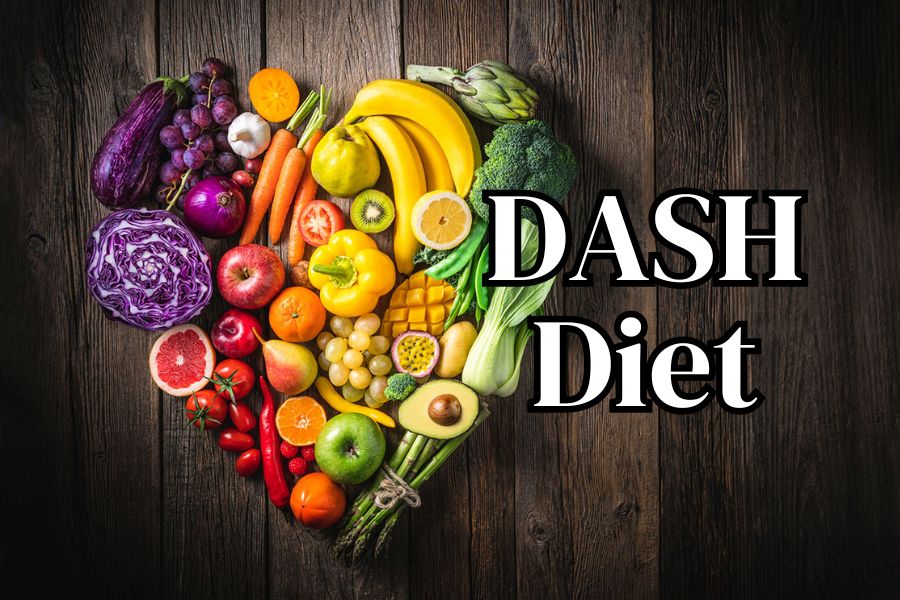
Instead of strict rules or specialty foods, the DASH diet menu gives you daily and weekly targets for food groups. You build your meals around vegetables, fruits, whole grains, lean proteins, and low fat dairy, while keeping sodium and added sugar in check (NHLBI).
Key building blocks of a DASH diet menu
The heart of your DASH diet menu is not one specific dish, but how your plate looks across the day. For a typical 2,000 calorie pattern, the plan encourages you to include:
- Plenty of vegetables and fruits
- Whole grains instead of refined grains
- Low fat or nonfat dairy
- Lean proteins like poultry, fish, and beans
- Nuts, seeds, and legumes several times a week
- Limited added sugars and sweets
- Limited sodium, ideally under 1,500 to 2,300 milligrams per day (NHLBI, Verywell Health)
You do not have to memorize serving charts to get started. A simple visual cue helps. Aim to fill:
- Half your plate with vegetables and fruit
- One quarter with whole grains
- One quarter with lean protein
- Add a small portion of healthy fat, such as olive oil or nuts
Over the week, you also work in 4 to 5 servings of nuts, seeds, dry beans, and peas. These plant foods offer fiber, magnesium, and protein that support heart health and help you feel full longer (Verywell Health).
Simple daily DASH menu example
You do not have to overhaul your life overnight. Start by reshaping a single day around DASH principles. Here is a sample 2,000 calorie style day to spark ideas, loosely based on the patterns shared by health organizations (Mayo Clinic, Verywell Health).
Use this as inspiration, not a strict prescription. You can adjust portions and ingredients to fit your calorie needs and preferences.
Breakfast
- Overnight oats made with low fat milk, topped with berries and a sprinkle of chopped walnuts
- A small banana
- Coffee or tea, unsweetened or lightly sweetened if needed
Mid morning snack
- Plain low fat yogurt with a drizzle of honey and a handful of sliced strawberries
Lunch
- Turkey and veggie whole grain wrap with lettuce, tomato, cucumber, and a light spread of hummus
- Side of carrot sticks and bell pepper strips
- Sparkling water with a squeeze of citrus instead of soda
Afternoon snack
- Apple slices with a tablespoon of natural peanut butter
Dinner
- Grilled salmon or chicken breast
- 1 cup of cooked quinoa or brown rice
- Steamed broccoli and roasted carrots with a small drizzle of olive oil
- Mixed green side salad with a simple olive oil and vinegar dressing
Evening treat
- A small square of dark chocolate or a serving of fruit salad
This menu uses familiar foods, just in a more intentional combination. You are getting fiber, lean protein, healthy fats, and lots of color on your plate, which is exactly what the DASH diet menu is designed to encourage.
Smart ways to cut sodium without losing flavor
One of the most important features of the DASH diet menu is sodium control. The plan recommends limiting sodium to less than 2,300 milligrams per day, and for even greater blood pressure benefits, around 1,500 milligrams daily (NHLBI, Mayo Clinic).
You do not need to track every grain of salt to make progress. Focus on simple swaps that make the biggest difference:
- Choose fresh or frozen vegetables instead of canned versions that are often packed in salty liquid
- If you use canned beans or vegetables, drain and rinse them to wash away some sodium
- Pick low sodium or no salt added broths, sauces, and canned tomatoes when possible
- Cook at home more often so you control the salt, restaurant and takeout meals are usually high in sodium
- Flavor food with herbs, citrus, garlic, onion, and spices instead of relying on the salt shaker
Highly processed foods like frozen dinners, pizza, canned soups, deli meats, and salty snacks can quickly push you beyond your target. Limiting these is a powerful step toward the 2,300 milligram or 1,500 milligram goal (Verywell Health).
Making your DASH menu enjoyable and flexible
You are more likely to stick with a DASH diet menu when it feels fun instead of restrictive. Variety, color, and flavor go a long way toward that.
Play with global flavors
Herbs and spices keep your meals interesting while helping you rely less on salt. For example, you can:
- Use cumin, chili powder, and lime for a Mexican inspired bowl
- Try turmeric, ginger, and coriander for a curry style dish
- Add basil, oregano, and garlic for Italian inspired meals
- Lean on fresh herbs like cilantro, parsley, and dill to brighten simple dishes
Healthy fats like olive oil and soft margarine that is low in saturated fat can also be part of your DASH menu. These unsaturated fats help lower LDL cholesterol when used in place of saturated fats like butter (Verywell Health).
Mix and match meal components
Think of your meals as building blocks you can rearrange throughout the week. If you cook a batch of whole grains and lean protein, you can create different bowls, salads, and wraps by changing the vegetables and seasonings.
For example, grilled chicken and brown rice can become:
- A veggie loaded grain bowl with roasted vegetables and tahini
- A burrito style bowl with black beans, salsa, and avocado
- A simple stir fry with mixed vegetables and a low sodium sauce
When you repeat ingredients in new ways, you save time and keep your DASH diet menu from feeling repetitive.
How to handle sweets, alcohol, and restaurant meals
A realistic DASH menu leaves some room for treats and social occasions. The key is planning them in instead of feeling like you failed whenever life does not look like a perfect meal plan.
Sweets in moderation
The DASH diet encourages you to limit added sugars and sweets. That does not mean you can never have dessert. It means sweets should be an occasional small portion rather than a daily habit (Verywell Health).
You can:
- Make fruit your default dessert
- Share restaurant desserts instead of ordering your own
- Bake at home so you can reduce sugar in recipes
Alcohol awareness
If you drink alcohol, it is worth knowing how it fits into a heart healthy pattern. Heavy drinking is associated with higher blood pressure, so guidelines suggest no more than two drinks per day for men and one for women (Verywell Health).
Some people choose to avoid alcohol altogether while working on blood pressure or weight goals. That choice is personal, and it is a good idea to discuss it with your health care provider.
Eating out without derailing your plan
Restaurant meals tend to be higher in sodium, saturated fat, and calories than home cooked meals. You do not have to avoid them entirely, but a few habits help you stay close to your DASH goals:
- Check menus in advance and look for grilled, baked, or steamed options
- Ask for sauces and dressings on the side so you can control how much you use
- Choose vegetables or a side salad instead of fries
- Split large entrees, or eat half and take the rest home
- Skip or limit salty appetizers like chips, fried foods, and cured meats
Even one or two of these choices can dramatically lower the sodium and calories in your meal, while still letting you enjoy the outing.
Easy ways to start your own DASH menu this week
You do not need a perfect plan to get the benefits of the DASH diet. You can start small and build momentum.
Here are four practical steps to take this week:
- Add, do not only subtract. Choose one meal a day and add an extra serving of vegetables or fruit. It could be berries on your breakfast, a side salad at lunch, or a second vegetable at dinner.
- Swap one refined grain for a whole grain. Trade white rice for brown rice or quinoa, white bread for whole grain bread, or regular pasta for whole wheat.
- Cook one new DASH friendly recipe. Try something like overnight oatmeal, a bean based salad, or a grilled fish dish, similar to recipes highlighted in DASH collections such as edamame salads and quinoa stuffed peppers (Taste of Home).
- Notice your main sodium sources. Look at labels on the foods you eat most often. Identify one high sodium item, like canned soup or frozen pizza, and replace it with a lower sodium choice this week (Verywell Health).
If you want more structure, organizations like the National Heart, Lung, and Blood Institute offer worksheets and serving tables to help you see how your current eating pattern compares to DASH targets, plus sample daily and weekly menus to follow (NHLBI, Mayo Clinic).
When to get extra guidance
Although the DASH diet menu is flexible and uses everyday foods, your calorie needs and health conditions are unique. If you are managing high blood pressure, kidney disease, diabetes, or if you want to lose a significant amount of weight, it is wise to work with a health care professional or registered dietitian.
They can help you:
- Adjust calorie levels to support weight loss or maintenance
- Balance DASH principles with other medical nutrition needs
- Fine tune sodium goals and potassium intake
- Create a realistic plan that fits your schedule and budget
Health organizations specifically encourage you to check in with a professional so your DASH plan lines up with your personal needs and goals (Mayo Clinic).
If you take just one step today, you might start by looking at your next meal and asking: can you add one more fruit or vegetable, and can you trade one salty or refined item for a fresher, whole food choice? That simple question can be your gateway into a sustainable, satisfying DASH diet menu.
About the Author