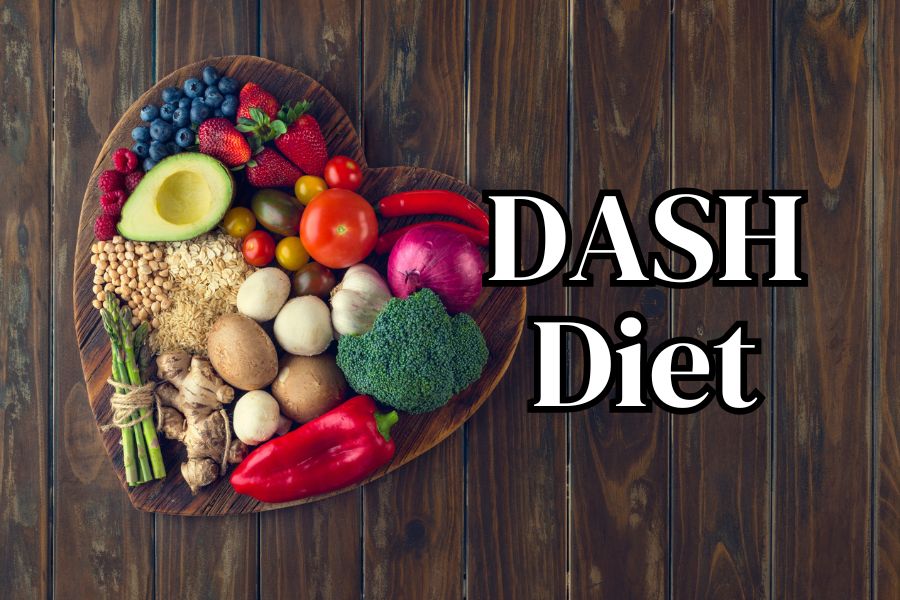
A heart healthy eating plan like the DASH diet can feel complicated when you first hear about it. In reality, the core ideas are simple: more real food, less sodium, and a balance of nutrients that help protect your heart and support steady weight loss. Once you understand a few key DASH diet secrets, it becomes much easier to follow in everyday life.
Below, you will learn what the DASH diet is, how it works, and practical ways to use it to improve your health without feeling deprived.
Understand what the DASH diet really is
The DASH diet, short for Dietary Approaches to Stop Hypertension, was originally designed to help prevent and treat high blood pressure. It does this by lowering sodium and emphasizing nutrients that help reduce blood pressure, like potassium, calcium, magnesium, and fiber (Mayo Clinic).
Instead of a strict short term diet, DASH is a long term eating pattern. You focus on:
- Plenty of vegetables and fruits
- Whole grains instead of refined grains
- Lean protein sources, like fish, poultry, beans, and lentils
- Low fat or fat free dairy
- Nuts and seeds in small daily servings
- Limited sodium, added sugar, and saturated fat
The plan does not require special products or packaged meals. The National Heart, Lung, and Blood Institute (NHLBI) describes DASH as a set of daily and weekly nutritional goals designed for a 2,000 calorie eating plan, with adjustments based on your needs (NHLBI).
Learn why the DASH diet works
When you follow the DASH diet, you are giving your body fewer ingredients that strain your cardiovascular system and more that protect it.
Research shows that DASH can:
- Lower blood pressure and LDL cholesterol compared to a typical American diet (NHLBI)
- Reduce systolic blood pressure by about 6.7 mmHg and diastolic by about 3.5 mmHg on average, with even greater benefits if you already have hypertension (PMC)
- Improve other risk factors, like triglycerides and estimated 10 year cardiovascular disease risk, and even support better bone health (PMC)
When you combine DASH with lower sodium intake, the blood pressure benefits are even stronger. In the DASH Sodium trial, reducing sodium to lower levels led to drops in systolic blood pressure of 7.1 mmHg in people without hypertension and 11.5 mmHg in those with hypertension (PMC).
If weight loss is also your goal, DASH can help there too. In the PREMIER trial, participants who followed the DASH diet plus lifestyle changes like more physical activity lost more weight and had the greatest blood pressure improvements compared to advice only groups (NHLBI).
Focus on sodium, but do it gradually
One of the biggest DASH diet secrets for success is to treat sodium reduction as a step by step process instead of a sudden overhaul.
The standard DASH diet recommends limiting sodium to 2,300 milligrams per day, which is roughly the amount in one teaspoon of table salt. A lower sodium version recommends 1,500 milligrams per day for even better blood pressure control (Mayo Clinic). NHLBI notes that aiming for 1,500 milligrams may lower blood pressure more effectively than 2,300 milligrams (NHLBI).
You can move toward these goals by:
- Cooking more meals at home so you can control ingredients
- Choosing fresh or frozen vegetables without added sauces
- Rinsing canned beans and vegetables to remove some sodium
- Checking labels and picking “low sodium” or “no salt added” options when possible
- Flavoring food with herbs, spices, citrus, garlic, vinegar, and pepper instead of salt
As your taste buds adjust, highly salted foods will start to taste too intense, and you will naturally crave less sodium.
Quick check: If a packaged food has more than 400–500 milligrams of sodium per serving, it will take a big bite out of your daily DASH sodium budget.
Build your plate with the DASH food groups
Knowing the food groups that make up the DASH diet helps you create meals without needing a detailed meal plan.
According to the Mayo Clinic and NHLBI, a typical 2,000 calorie DASH style day often looks like this (Mayo Clinic, NHLBI):
- Grains, mostly whole: about 6 to 8 servings
- Vegetables: 4 to 5 servings
- Fruits: 4 to 5 servings
- Dairy, low fat or fat free: 2 to 3 servings
- Lean meat, poultry, or fish: up to 6 small servings
- Nuts, seeds, and legumes: 4 to 5 servings per week
- Fats and oils: 2 to 3 servings per day
- Sweets and added sugars: limited, a few small servings per week
These ranges shift based on your calorie needs, but the pattern stays the same. Vegetables and fruits take up a large part of your plate, whole grains and lean proteins fill in the rest, and high sodium, high sugar foods become occasional extras instead of daily habits.
Use DASH to support weight loss
While the DASH diet was created for blood pressure, it naturally supports weight loss when you stay within your calorie needs.
Here is how you can make it work for weight management:
- Choose high fiber foods, like beans, lentils, whole grains, fruits with skin, and vegetables
- Include a lean protein source at each meal to help you feel full longer
- Use healthy fats in small portions, such as a drizzle of olive oil or a small handful of nuts
- Limit sugary drinks and opt for water or unsweetened beverages
- Watch portion sizes, especially for higher calorie foods like oils, nuts, and full fat treats
The NHLBI provides worksheets to help you compare your current eating habits to DASH goals and understand serving sizes for your energy needs (NHLBI). This can be a helpful starting point if you are not sure how much you should be eating.
Because DASH keeps blood sugar levels steadier and emphasizes whole foods, many people find that cravings decrease and it becomes easier to maintain a lower calorie intake without feeling constantly hungry.
Plan simple, realistic DASH meals
You do not need complicated recipes to follow the DASH diet. You can start with familiar meals and tweak them to fit the DASH pattern.
For example:
- Breakfast: Oatmeal made with low fat milk, topped with sliced banana and a sprinkle of nuts
- Lunch: Salad with leafy greens, colorful vegetables, grilled chicken or beans, a small amount of olive oil and vinegar, and a piece of fruit on the side
- Snack: Carrot sticks with hummus or a small container of low fat yogurt
- Dinner: Baked salmon or roasted chicken, brown rice or quinoa, and a large portion of steamed or roasted vegetables
If you are used to salty sauces or heavy dressings, begin by using smaller amounts and slowly swapping in herbs, citrus, and spices. This makes change feel manageable instead of abrupt.
Pay attention to drinks, sweets, and extras
It is easy to focus on meals and forget the little extras that add up. On the DASH diet, you aim to limit foods and beverages high in added sugar, saturated fat, and excess calories.
That means:
- Keeping sugary desserts to a few times per week and choosing smaller portions
- Watching sugary drinks like soda, sweet tea, energy drinks, and specialty coffee beverages
- Choosing lean cuts of meat and trimming visible fat
- Preferring low fat or fat free dairy products rather than full fat versions (Mayo Clinic)
The DASH plan does not spell out caffeine rules, but Mayo Clinic notes that you may want to talk with your healthcare provider if you think caffeine affects your blood pressure. The plan does recommend limiting alcohol to no more than two drinks per day for men and one or less for women, since excess alcohol can raise blood pressure (Mayo Clinic).
Adjust the DASH diet to your life
Another secret of long term success is personalization. The DASH diet is flexible enough to fit different preferences and needs.
You can:
- Choose the sodium level that makes sense for your health after talking with your provider, 2,300 or 1,500 milligrams per day are the usual targets (Mayo Clinic)
- Adjust serving sizes and total calories if you are more active or if you want to lose weight
- Swap carbohydrate heavy meals for versions that use more protein or healthy fat, a variation that studies like OmniHeart found also helped lower blood pressure and improve lipids (NHLBI)
- Work in cultural foods you already enjoy, as long as they fit the general pattern of more plants, whole grains, and less sodium
The key is to keep the overall structure of DASH in place while tailoring the details to your schedule, cooking ability, and tastes.
Take small steps and track your progress
If the full DASH diet feels overwhelming, pick one or two small changes to start with and build from there.
You might:
- Add one serving of vegetables at lunch and dinner
- Replace one sugary drink per day with water
- Cook at home two extra nights each week
- Check sodium on two of your most eaten packaged foods and look for lower sodium swaps
Because the health benefits show up over time, it helps to track your progress. You could note blood pressure readings, energy levels, or how your clothes fit. In research like the PREMIER trial, combining DASH with more physical activity led to the greatest improvements in both blood pressure and weight (PMC), so adding regular movement will likely boost your results.
Starting the DASH diet does not mean perfection on day one. It means shifting your eating pattern toward more heart healthy, nutrient rich choices most of the time. With gradual adjustments, you can use the DASH diet to support weight loss, protect your heart, and feel better in your daily life.
About the Author