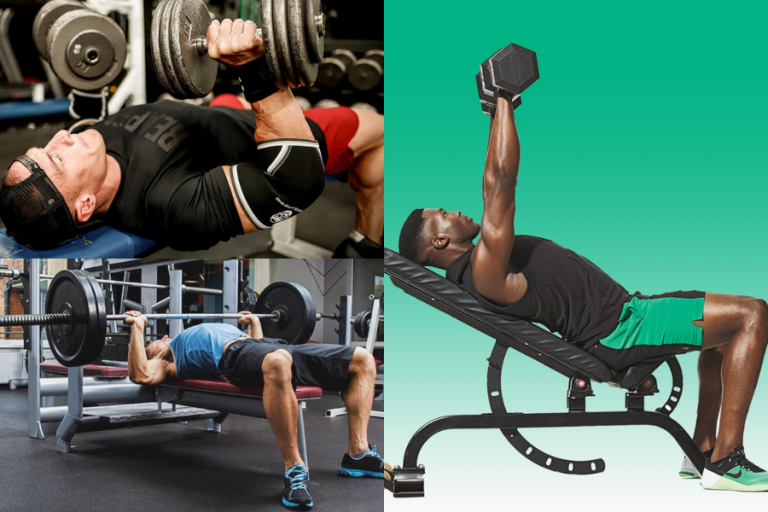
You want a strong, defined chest, and a chest workout with barbell exercises is one of the most effective ways to get there. The barbell offers a balanced, efficient way to target major chest muscles, while also challenging your arms, shoulders, and core. Whether you’re new to lifting or looking to refine your routine, barbell training can push your chest gains to new heights.
Some days, you might crave variety or faster results, and barbell work checks both boxes. You control the weight and workload, adjusting on the fly to stay motivated. By consistently tracking your progress, you’ll see and feel each step toward a stronger upper body.
Unlock the barbell advantage
A barbell delivers a stability that dumbbells sometimes can’t match. Its single, fixed center of gravity helps you press with more confidence, letting you lift heavier weights without feeling off-balance. That advantage translates to bigger gains, especially in exercises that focus on larger muscle groups like your chest.
You also benefit from symmetry. Because you hold the same bar in both hands, the load is evenly distributed. This forces each side of your body to work in unison, making it easier to identify imbalances before they turn into injuries. Plus, barbells let you increase weight plates in small increments, so you can fine-tune your training instead of making big jumps that disrupt form.
Master key barbell exercises
When targeting your chest, a few barbell moves stand above the rest. These exercises emphasize different parts of your chest and can be adjusted in countless ways to keep boredom at bay.
- Barbell bench press: The classic mainstay for chest workouts. Lying flat on a bench, you lower the bar to your mid-chest and press upward with controlled power.
- Incline barbell bench press: Targets the upper chest by angling the bench around 30 to 45 degrees. This variation sculpts the area near your collarbones and shoulders.
- Decline barbell bench press: Shifts more focus to the lower chest. You lie on a bench with a small downward tilt and press similarly to the flat version.
- Close-grip barbell bench press: Brings your hands closer together on the bar, placing more emphasis on your triceps and inner chest.
Begin with lighter weights while you perfect your technique on each lift. Once you feel comfortable, gradually add more to the bar. These movements will form the core of your chest workout with barbell exercises, but don’t forget you can switch grips and angles to keep your body guessing.
Adjusting your grip and angle
Small changes lead to big results. A wide grip can emphasize the outer portion of your chest and shoulders, while a closer grip draws in triceps and center chest muscles. Also, tinkering with the bench angle can boost your upper or lower chest focus, effectively doubling your exercise options.
Tailor your workout approach
Designing a routine is all about matching your schedule, fitness level, and lifestyle. If you have a packed week, you might opt for two full-body sessions with an emphasis on the chest. On the other hand, if you prefer a dedicated “chest day,” consider pairing barbell chest movements with complementary muscle groups such as triceps or shoulders.
A common starting point is to pick two or three key barbell exercises. Perform each for three or four sets of 6–12 reps, pausing for 60–90 seconds between sets. This rep range typically optimizes muscle growth, letting you handle a decent amount of weight while still keeping form on point.
You can also add variety by changing rest intervals, using drop sets, or introducing a superset—where you do two exercises back to back without rest—to challenge your muscles differently. Every few weeks, revisit your plan to ensure it still aligns with your goals and schedule.
Focus on proper technique
Form is everything when it comes to barbell lifts for your chest. By focusing on small adjustments, you’ll protect your shoulders and harness maximum power from each rep.
Start by planting your feet firmly on the ground. If your feet slide or shift, your upper body alignment follows suit, potentially leading to strain in the lower back or shoulders. Next, pinch your shoulder blades together at the start of the press, a tiny tweak that directly stabilizes your shoulders and chest.
Pay attention to your range of motion too. Lower the bar at a controlled pace until it’s just above your chest, then press upward, exhaling as you complete the lift. Avoid bouncing the bar to gain momentum—that limits your muscle engagement and raises injury risk. If you remain unsure about correct form, filming a set or working with a trainer can provide valuable insights.
Measure and sustain progress
Tracking results gives you a reason to celebrate every personal record and refine your approach along the way. Keep a journal or note-taking app where you jot down your sets, reps, and weight. Over time, patterns will emerge, revealing when you’re ready to move up in weight or benefit from more rest days.
It helps to measure how you feel, not just how much you lift. A training log can include soreness levels, energy levels, and even mental notes on how particular exercises went. That way, if your progress plateaus or fatigue sets in, you have the data you need to tweak your routine.
Taking milestones slowly also helps you stay motivated. Adding just a couple of pounds to the bar each week may not feel dramatic, but it leads to impressive gains in the long run. If you’re pushing yourself too hard, remember that rest is just as crucial for muscle growth as the workouts themselves.
You deserve a stronger chest that looks and feels powerful, and a chest workout with barbell exercises can drive you there. By choosing a few effective lifts, focusing on technique, and monitoring your progress, you’ll stay on track, reduce injury risk, and enjoy every step of the process. Embrace the barbell advantage, and get ready to see results you’ll love.
About the Author