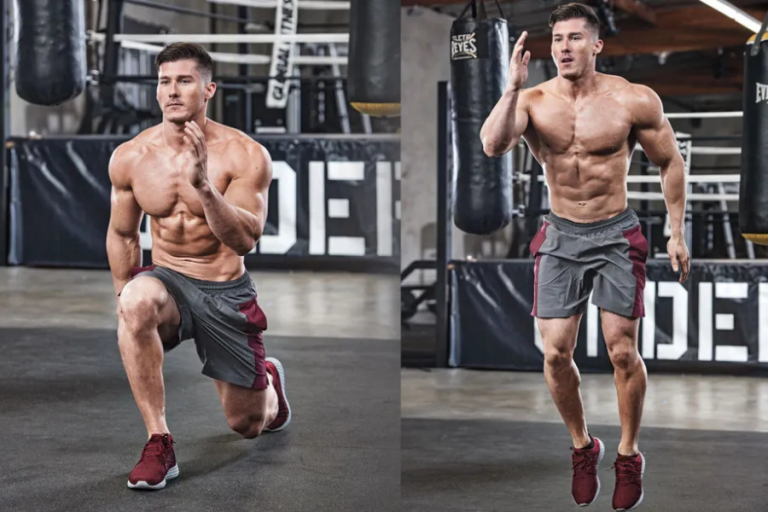
If you’ve been eyeing a stronger, more sculpted upper body, focusing on a chest and shoulder workout can truly transform how you look and feel. Your chest and shoulders don’t just show off definition in a tank top, they also power so many of your daily movements. Whether you’re lifting groceries or pushing open a heavy door, building a well-rounded routine for these muscles is crucial for day-to-day strength.
Yet it’s not just about brute force. A well-programmed approach helps you move efficiently, reduces your risk of injury, and gives you a confident posture. Below, you’ll find how to incorporate chest and shoulder exercises into your fitness plan so you can start noticing real changes when you look in the mirror.
Recognize the value of chest and shoulders
The chest and shoulders might be the first muscles people notice when you wear a fitted shirt, but their benefits go beyond appearances. Your pectoral muscles stabilize your arms during pushing movements. This stability helps whenever you’re pressing weight overhead or reaching out to catch something before it falls.
Meanwhile, your shoulders give you an impressive range of motion, allowing you to move your arms in almost any direction. When your deltoids are strong, daily tasks like lifting boxes, carrying groceries, or simply raising your arms to place items on a high shelf feel much easier. Over time, neglecting either your chest or shoulders can lead to imbalances, which may cause posture issues or make you prone to aches and pains. By recognizing their joint importance, you’ll be more motivated to train them in harmony.
Build your chest foundation
A strong chest is a game-changer for your upper body. You’ll find that exercises targeting your pectorals don’t just help you look broader, they also translate to increased power in sports, better performance in weightlifting, and greater endurance for everyday activities.
When training your chest, you’ll want to emphasize both strength and endurance. Compound lifts such as bench presses and push-ups activate multiple muscle groups at once, giving you a bigger bang for your workout buck. Adding variations like incline bench presses or decline push-ups can target different angles of your chest, balancing out development and preventing plateaus.
Try alternating between heavy sets for strength and moderate rep ranges for muscle endurance. For example, you might do three sets of six reps of a heavy bench press one week, then the next week you can shift to three sets of 10 reps at a slightly lower weight. This variety ensures you hit both fast-twitch and slow-twitch muscle fibers, giving you a well-rounded challenge.
Strengthen your shoulder muscles
While the chest often gets plenty of attention, shoulders deserve an equally focused approach. Your deltoids have three main parts: the anterior (front), lateral (middle), and posterior (rear). Each head plays a unique role in how you raise and rotate your arms. Training all three heads will help you achieve balanced strength, broader shoulders, and better stability.
Shoulder presses, lateral raises, and reverse flyes are classic moves for targeting your deltoids. Meanwhile, upright rows can refine your shoulder line and work your traps. You’ll also want to keep your rotator cuff happy by including preventative exercises like internal and external rotations with a resistance band. These small movements stabilize your shoulder joint and lower your risk of strains.
When performing shoulder exercises, try switching between seated and standing variations for an extra core challenge and improved posture. For instance, a seated dumbbell shoulder press encourages stricter form and isolates your deltoids, while a standing press will engage your core more to keep your body steady.
Combine both for better results
Once you understand the fundamentals of chest and shoulder training, it’s time to blend these movements for an efficient, balanced routine. Many people prefer splitting their upper body days into “push” (chest, shoulders, and triceps) and “pull” (back and biceps) workouts. Grouping your chest and shoulder workout together allows you to maximize each session by focusing on complementary muscle groups.
If you like more structure, you can schedule your training days to alternate between push, pull, and legs. That said, choose the frequency that fits your lifestyle and energy levels. Listen to your body and allow enough recovery time. Muscles grow when they rest, especially after intense training, so don’t ignore days off. Below is a sample schedule to guide you:
| Day | Main focus | Sample movements | Sets/Reps |
|---|---|---|---|
| Monday | Chest and shoulders (Push) | Bench press, dumbbell shoulder press | 3-4 sets of 8-10 |
| Wednesday | Back and biceps (Pull) | Bent-over rows, pull-ups | 3-4 sets of 8-12 |
| Friday | Legs | Squats, lunges, deadlifts | 3-4 sets of 8-12 |
| Saturday | Light push accessory | Incline push-ups, lateral raises | 2-3 sets of 10-15 |
On push-focused days, stick to your heaviest chest press first while your shoulders are fresh. Then transition into shoulder presses or lateral raise variations. Finish off with lighter accessory work, like cable crossovers or resistance band flyes, to really hone in on the smaller muscle fibers.
Maintain a smart training plan
Crafting a chest and shoulder workout that sparks real transformation means blending targeted exercises with adequate rest and proper nutrition. Here are a few ways to keep your plan consistent and rewarding over the long run:
• Progress slowly and steadily. Resist the urge to add too much weight too quickly. By pacing yourself, you’ll reduce the chance of injury and enjoy more sustainable gains.
• Eat for muscle support. Lean protein sources, nutrient-dense carbs, and healthy fats give your chest and shoulders the building blocks they need.
• Stay flexible. If you feel extra sore, don’t hesitate to scale back or swap in a gentler alternative. Listening to your body is key to preventing setbacks.
• Track your progress. Keep a simple notebook or app. Jot down exercises, sets, and reps every workout. Monitoring each small win is incredibly motivating and helps you see where to adjust your routine.
Nothing boosts confidence like watching your upper body grow stronger and more defined. But beyond the mirror, it’s the practical day-to-day improvements — easily carrying groceries, playing a pickup game of basketball, or pulling yourself up with ease — that highlight how beneficial consistent training truly is.
Remember, everyone’s body responds differently, so don’t get discouraged if you don’t notice immediate changes. Your dedication will pay off in the form of solid muscle growth and a physique that not only looks great, but also supports you in whatever life throws your way. Focus on steady progression, dial in your form, and always keep your goal in sight. Soon enough, you’ll feel the difference a thoughtfully designed chest and shoulder workout can make in your daily routine.
About the Author