A carnivore diet for beginners can sound both simple and extreme. You eat only animal foods like beef, chicken, pork, fish, eggs, and some dairy. You cut out all carbohydrates, including fruits, vegetables, grains, legumes, nuts, and seeds. Supporters say this way of eating can help you lose weight and feel better, while many health experts urge caution and recommend a more balanced approach instead (WebMD, Cleveland Clinic).
If you are curious about trying the carnivore diet for beginners, this guide walks you through what it is, why some people are drawn to it, the potential benefits and risks, and how to think about it with your long‑term health in mind.
Understand what the carnivore diet actually is
The carnivore diet is as strict as it sounds. You focus on animal products and remove plant foods completely.
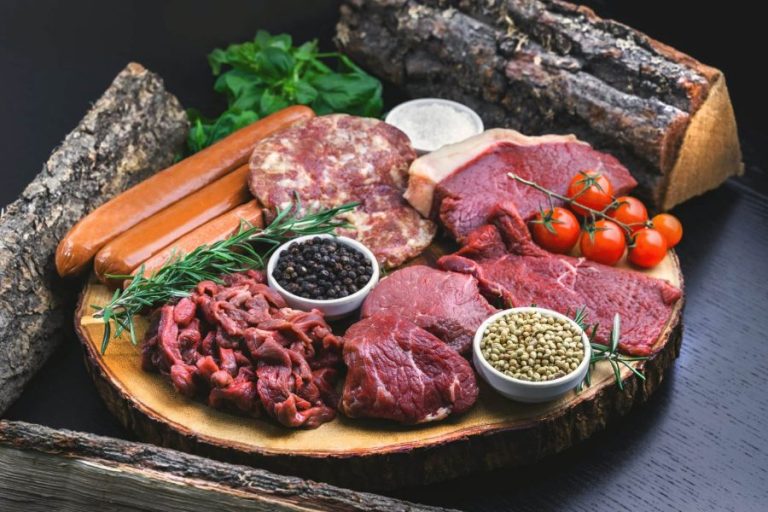
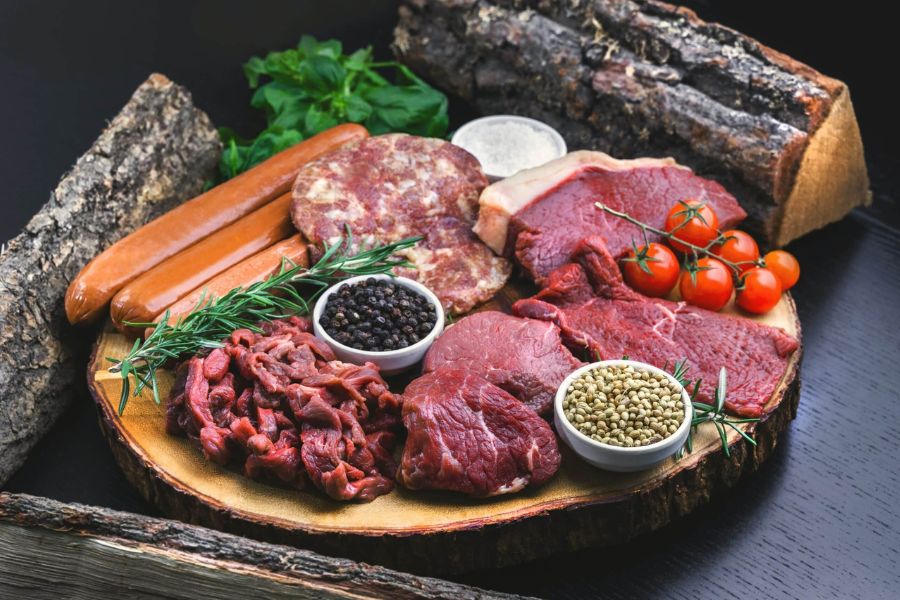
At its core, the diet usually includes:
- Meat such as beef, pork, lamb, and poultry
- Fish and seafood
- Eggs
- Some low lactose dairy like cheese and butter
You avoid:
- All fruits and vegetables
- Grains and legumes
- Nuts and seeds
- Plant based oils and most processed foods
WebMD describes it as an extremely low carbohydrate eating pattern that aims to push your body to burn fat for energy and potentially lose weight (WebMD). Cleveland Clinic notes that it goes even further than other high protein plans like keto or Atkins because it aims for almost zero carbs and removes all plant foods, something current dietary guidelines do not support (Cleveland Clinic).
Some people follow a slightly looser version that allows herbs, spices, condiments, and occasionally a small amount of coffee or tea, but a strict carnivore diet is meat and other animal products only (Primal Kitchen).
Why the carnivore diet appeals to beginners
You might be drawn to a carnivore diet for beginners for a few reasons. One is simplicity. There is no calorie counting or complex meal plans. You eat meat and other animal foods when you are hungry and stop when you are full. For some, that feels much easier than tracking portions of many different food groups.
You may also see social media posts that promise impressive results, from rapid fat loss to clearer skin or improved blood sugar control. A large survey of more than 2,000 people who had followed the carnivore diet for several months reported weight loss and better blood sugar control, and some participants even reduced their diabetes medication (WebMD). However, those findings are based on self reports, not controlled medical studies.
Cleveland Clinic points out that many of the claims that circulate online are anecdotal and not backed by strong scientific research specific to the carnivore diet itself (Cleveland Clinic). So while the stories you read can be motivating, it is important to see them as personal experiences rather than guarantees.
Possible short term benefits people notice
If you decide to test a carnivore diet for beginners, there are a few changes you might notice early on. These are not guaranteed, but they are commonly reported.
You may see the scale move. The diet is high in protein and fat, and both can help you feel full and satisfied, which may naturally lead you to eat less overall. Healthline notes that this fullness, along with a higher metabolic rate from protein, may support weight loss in the short term (Healthline).
You might also notice:
- Fewer food decisions during the day because your choices are limited
- Less snacking, especially on sweets or ultra processed foods
- More stable blood sugar if you previously ate a lot of refined carbohydrates
In that survey of carnivore followers, many people reported overall satisfaction with the diet and improvements in blood sugar regulation (WebMD). Again, those results are self reported, but they explain part of the appeal.
If you come from a very high sugar or highly processed diet, simply removing those foods can make you feel better at first, no matter which specific plan you follow.
Serious health risks you need to weigh
Alongside potential benefits, the carnivore diet carries real risks that you should look at closely before you change how you eat.
Because you cut out entire food groups, you miss out on fiber, important vitamins, and many protective plant compounds. WebMD explains that low intake of fiber, potassium, vitamin A, vitamin C, and folate is a concern on a strict carnivore diet, and people may experience diarrhea, headaches, nausea, and an increase in LDL cholesterol, especially if they rely on processed meats that are high in salt and saturated fat (WebMD).
Healthline highlights additional issues, including:
- Lack of fiber and beneficial plant compounds that support gut health
- Possible constipation and increased risk of gut inflammation
- Potential long term risk for certain cancers related to the absence of fiber and antioxidants (Healthline)
There is also concern about heart health. A review cited by Gene Food warns that very high intake of animal protein and saturated fat can raise LDL cholesterol to levels linked with higher cardiovascular and all cause mortality risk in large groups of people (Gene Food).
On top of that, breaking down large amounts of protein produces ammonia, which your liver and kidneys must handle. Gene Food notes that some people have genetic variants that may make them more vulnerable to problems from this added load (Gene Food).
Major medical organizations are cautious for good reason. Cleveland Clinic warns that the carnivore diet is very restrictive, can trigger cravings and rebound eating, and is not considered sustainable long term. Their registered dietitian specifically recommends against it and instead encourages a balanced pattern with fruits, vegetables, grains, and lean meats in moderation (Cleveland Clinic).
WebMD also notes that the diet is especially risky during pregnancy or breastfeeding and for people with kidney disease, diabetes, heart disease, or high blood pressure (WebMD).
If you have any existing health condition or take medications, talk with your healthcare provider before you attempt a carnivore diet, even for a short trial period.
How to approach the diet if you still want to try it
If, after looking at both pros and cons, you still want to explore a carnivore diet for beginners, treat it like an experiment you plan carefully, not a quick fix.
WebMD suggests cleaning your pantry and grocery list so you are not surrounded by tempting carb heavy foods. That usually means removing:
- Bread, pasta, rice, cereal, and baked goods
- Snack foods like chips, crackers, and sweets
- Sugary drinks and most plant based beverages
Instead, you focus your shopping on:
- Red meat such as beef and lamb
- Poultry like chicken and turkey
- Fish and seafood, both fresh and frozen
- Eggs
- Animal fats like butter and tallow (WebMD)
Primal Kitchen also describes a typical carnivore approach that often includes nose to tail eating. That can involve organ meats and less common animal parts like bone marrow or fish eyes, along with eggs, full fat dairy, and sometimes a small amount of herbs and condiments depending on how strict you want to be (Primal Kitchen).
Before you begin, it helps to:
-
Set a clear time frame
Decide how long you plan to follow the diet. You might choose a short trial, such as two to four weeks, so you can monitor how your body responds without committing indefinitely. -
Track how you feel
Keep a simple log of your energy, digestion, mood, sleep, and any symptoms such as headaches or changes in bowel habits. This makes it easier to see patterns instead of relying on memory. -
Keep your healthcare team informed
Share your plans with a doctor or registered dietitian, especially if you have diabetes, high cholesterol, high blood pressure, kidney issues, or a history of disordered eating. They can help you monitor lab values like cholesterol and blood sugar if needed.
When the carnivore diet is not a good idea
Despite the popularity of the carnivore diet online, it is not appropriate for everyone. In some situations, health experts strongly advise against it.
WebMD and Healthline both note that you should avoid this approach or be extremely cautious if you:
- Are pregnant or breastfeeding
- Have chronic kidney disease or reduced kidney function
- Have existing heart disease or very high cholesterol
- Struggle with high blood pressure
- Have a history of eating disorders or disordered eating patterns (WebMD, Healthline)
Because the plan is so restrictive, it also can be tough if you share meals with family or like to eat out regularly. Social situations may feel complicated when you only allow meat and a few other items on your plate.
If you ever feel dizzy, extremely fatigued, mentally foggy, or notice worrisome symptoms like chest pain, shortness of breath, or significant mood changes while on the diet, stop and contact your healthcare provider right away.
More sustainable alternatives to consider
If your main goals are weight loss and better health, you do not have to commit to a strict carnivore diet to see progress. There are other approaches that still emphasize protein and whole foods but include plants and more variety.
Healthline points out that many of the claimed benefits of the carnivore diet, such as weight loss and better blood sugar control, can likely be achieved with less extreme changes like cutting back on refined carbs and ultra processed foods while keeping fruits, vegetables, and whole grains in your meals (Healthline).
Cleveland Clinic recommends a pattern built around:
- Plenty of vegetables and fruits
- Whole grains such as oats, brown rice, and quinoa
- Lean proteins like chicken, fish, and beans
- Healthy fats from sources like olive oil and nuts
This type of balanced plan is more flexible, easier to sustain, and better studied for long term heart and metabolic health (Cleveland Clinic).
If you still like aspects of carnivore eating, you might experiment with:
- Higher protein, lower carb meals that still include non starchy vegetables
- Limiting processed meats in favor of fresh, lean cuts
- Prioritizing whole foods, whether plant or animal based, over highly processed snacks
You can borrow the parts that help you feel your best without eliminating entire food groups indefinitely.
Key points to remember
When you look at the carnivore diet for beginners, it is easy to get caught up in dramatic success stories. There is no denying that this all meat pattern can lead to short term weight loss for some people and can feel simple compared to more complex plans.
At the same time, doctors and dietitians raise real concerns about missing nutrients, gut health, heart health, and long term sustainability. Evidence supporting the carnivore diet specifically is still limited and largely anecdotal (Cleveland Clinic, Healthline).
If you are considering it, approach it thoughtfully:
- Learn exactly what the diet includes and excludes
- Weigh both the potential benefits and the documented risks
- Talk with your healthcare provider before you begin
- Start with a defined short trial instead of an open ended commitment
- Pay close attention to how your body responds
Most important, remember that lasting health and weight loss usually come from habits you can maintain. Whether you adopt elements of the carnivore diet or choose a more balanced eating style, aim for an approach that supports your energy, your lab values, and your lifestyle over the long run.
About the Author