A meat only menu sounds simple. You cut out carbs, load up on steak and eggs, and wait for the scale to drop. Before you commit to the carnivore diet for weight loss, it helps to know what it actually involves, what the science says, and how it might affect your long‑term health.
This guide walks you through the essentials so you can decide whether the carnivore diet is really your best option, or whether a less extreme approach might fit you better.
Understand what the carnivore diet is
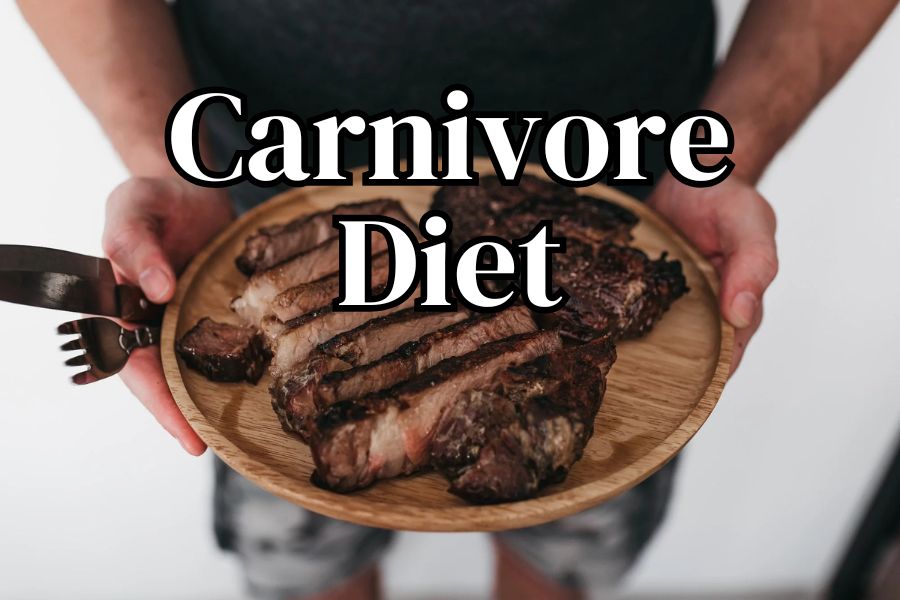
On the carnivore diet, you eat only animal products. That means:
- Meat, poultry, fish, and seafood
- Eggs
- Some dairy, usually high fat options like cheese and butter
- Water, and sometimes coffee or tea depending on the version
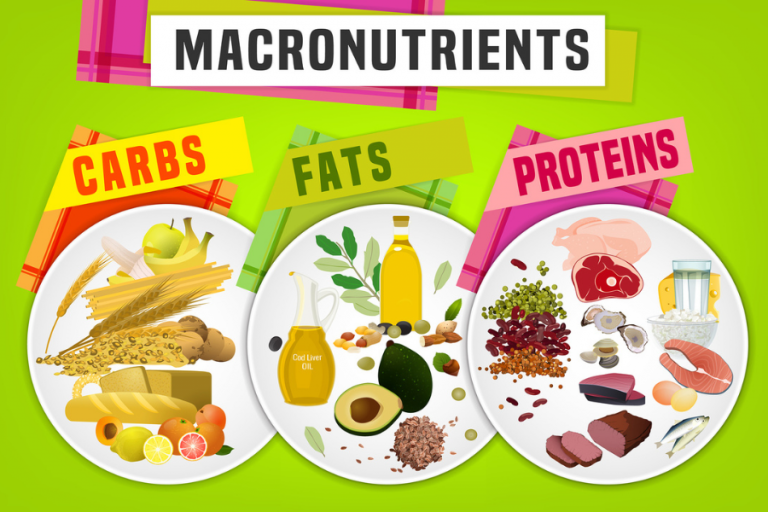
You avoid all plant foods. That includes fruits, vegetables, whole grains, legumes, nuts, and seeds. Because these are your main sources of carbohydrates, the carnivore diet is often called a “zero carb” way of eating. (Harvard Health Publishing)
Nutrition experts describe it as an extreme form of low carb eating that is even more restrictive than keto, since most ketogenic plans still allow up to about 50 grams of carbs per day. (Baylor Scott & White Health)
How the carnivore diet may lead to weight loss
You probably hear about the carnivore diet because of dramatic weight loss stories. There are a few reasons this way of eating can help you lose weight, at least in the short term.
Fewer calories without tracking
Animal foods, especially meat and eggs, are high in protein and fat. Both nutrients help you feel full for longer, which can naturally reduce how much you eat overall. When you cut out almost every processed and sugary food, you also remove many of the easiest ways to overeat.
Some people find that they lose weight on the carnivore diet even without counting calories, simply because they feel satisfied on smaller portions. Healthline notes that higher protein and fat intake can boost satiety and may increase metabolic rate, which together can support weight loss. (Healthline)
Ketosis and fat burning
Because you are not eating carbs, your body has to rely more on fat for energy. The carnivore diet is sometimes called the most ketogenic diet since carb intake is extremely low. Your body can enter ketosis, where it burns fat and produces ketones for fuel. (Harvard Health Publishing)
Switching to fat burning can help reduce body fat and water weight, particularly early on. This is one reason many people see a quick drop on the scale when they start.
Fewer “trigger” foods
If a bag of chips or a sleeve of cookies is hard for you to stop eating once you start, a diet that bans them entirely can be appealing. The carnivore diet removes nearly all snack and dessert foods, as well as alcohol and sweetened drinks in most versions. Cutting those out can significantly lower your daily calorie intake.
However, you do not need an all meat diet to avoid trigger foods. You can remove or reduce them while still eating a wider range of whole foods.
What the science actually says so far
When you are deciding whether a diet is right for you, it helps to know how strong the evidence is. With the carnivore diet, you are mostly dealing with anecdotes.
Nutrition researchers point out that there are no controlled clinical trials on the carnivore diet itself. Claims about better mood, focus, or blood sugar control are based on self reports, not on carefully designed studies. (Healthline)
A 2021 survey of more than 2,000 people who followed a carnivore style diet for 9 to 20 months found many reported weight loss and improved health. However, this study relied on self reported data and did not medically verify results. It also excluded people who quit early because they had negative effects, so it may not show the full picture. (British Heart Foundation)
Major health organizations and registered dietitians emphasize that long term research on this diet is very limited and that most of the available evidence is either short term or observational. (Cleveland Clinic)
In other words, if you choose a carnivore diet, you are experimenting on yourself to some extent.
Potential benefits you might notice
Even though research is limited, you may see some changes if you switch to a carnivore diet, especially if your starting point is a highly processed, high sugar way of eating.
You might experience:
- Short term weight loss from lower calorie intake and fat burning
- Steadier blood sugar if you used to eat a lot of refined carbs
- Less decision fatigue because your food choices are very simple
- Fewer cravings for sweets after the first weeks
Some people report reduced joint pain, fewer migraines, or clearer skin. Supporters of the diet often credit the removal of processed foods, added sugar, and refined grains for these improvements. However, there is no solid scientific evidence that eating only animal foods is necessary to gain these benefits. (Baylor Scott & White Health)
Many of the same positives appear when you move to a more balanced, whole food eating pattern that still includes plant foods.
If your current diet is heavy on ultra processed foods, almost any shift toward simpler, less processed meals can make you feel better, at least at first.
Serious health risks to consider
For weight loss to truly help you, it has to support your long term health, not just your short term goals. This is where the carnivore diet raises real concerns.
Missing nutrients from plant foods
Plant foods are your main source of fiber, many vitamins, minerals, and protective plant compounds like antioxidants and phytonutrients. When you cut these out completely, you increase your risk of several nutrient gaps.
Experts warn that the carnivore diet can be low in:
- Fiber
- Vitamin C
- Folate
- Potassium
- Magnesium
- Some other vitamins and minerals
The Cleveland Clinic notes that removing whole food groups can lead to nutritional deficiencies because each group provides different essential nutrients. (Cleveland Clinic)
Healthline adds that the lack of fiber and plant compounds may raise your risk of heart disease, some cancers, and type 2 diabetes over time. (Healthline)
A 2025 nutrient analysis of several carnivore meal plans found that while some nutrients like B vitamins and zinc were adequate, others such as thiamin, calcium, magnesium, vitamin C, and fiber fell short of recommended levels. (Nutrients via PubMed Central)
Impact on heart and circulatory health
Most versions of the carnivore diet are very high in saturated fat and cholesterol because they rely heavily on red meat, processed meat, butter, and full fat dairy.
Harvard Health reports that this pattern tends to raise LDL or “bad” cholesterol, which is linked to increased risk of heart disease and stroke. (Harvard Health Publishing)
The British Heart Foundation highlights that high intake of saturated fat and processed meat can raise blood pressure and non HDL cholesterol, both of which increase your risk of coronary heart disease, heart attack, and stroke. They note that the NHS recommends limiting red and processed meat to 70 g or less per day, which is far below what many people eat on a carnivore plan. (British Heart Foundation)
Digestive and kidney concerns
Without fiber, your digestive system has to work harder. Constipation is common on very low fiber diets and the British Heart Foundation points out that fiber helps lower cholesterol and supports gut health. (British Heart Foundation)
Harvard Health also warns about potential long term risks from very high protein intake, including kidney stones, gout, osteoporosis, and even impaired kidney function in some people. (Harvard Health Publishing)
If you already have kidney disease, diabetes, heart disease, or high blood pressure, major health sites such as WebMD and Healthline advise that this diet may be unsafe for you. (WebMD, Healthline)
Sustainability and mental load
Any diet that bans entire food categories is hard to maintain socially and emotionally. Over time you may feel:
- Socially isolated when eating out or with friends
- Bored with your food choices
- Intense cravings for carbs and sweets
WebMD notes that registered dietitian Kathleen Zelman considers the carnivore diet highly restrictive and likely unsustainable, pointing out that cravings for carbohydrates are common and that there is no strong evidence for its claims about inflammation or energy. (WebMD)
If you find yourself cycling between strict carnivore weeks and overeating off plan, your weight, mood, and energy may yo yo in a way that feels worse than a slower, steadier approach.
Is the carnivore diet right for your goals?
Whether this diet is your “best” choice depends on your health status, personality, and what you want most.
It may appeal to you if:
- You like clear, all or nothing rules
- You prefer savory foods and have no problem giving up fruits and vegetables
- You want rapid, noticeable weight loss and you are aware of the risks
- You plan to use it only for a short, well supervised period
Even then, major medical organizations and registered dietitians generally do not recommend the carnivore diet as a long term solution, mainly because of its potential health risks and lack of strong evidence. Harvard Health, the Cleveland Clinic, and Baylor Scott & White Health all advise focusing instead on sustainable changes that include a variety of whole foods. (Harvard Health Publishing, Cleveland Clinic, Baylor Scott & White Health)
If your main goal is steady weight loss and better health over the long term, you might be better served by:
- A balanced, high protein, lower sugar eating pattern
- A Mediterranean style diet rich in vegetables, fruits, whole grains, legumes, nuts, seeds, and lean proteins
- A moderate low carb plan that keeps some fiber rich plant foods
These options are supported by much stronger research and are easier to live with for years, not just weeks.
How to approach it safely if you still want to try
If you decide that you still want to test a carnivore style diet, treat it like an experiment and build in safeguards instead of jumping in blindly.
-
Talk with your healthcare provider or a registered dietitian first, especially if you have any medical conditions or take medications. Several health organizations encourage this step because long term effects of the carnivore diet are still largely unknown. (Inspira Health Network)
-
Set a clear time frame, for example 2 to 4 weeks, rather than planning to eat this way indefinitely. Schedule follow up lab work if you stay on the diet longer, so you can track cholesterol, kidney function, and other markers.
-
Choose a variety of animal foods. Include fish, eggs, and some dairy if you tolerate it, not only processed or fatty red meats. Using organ meats and dairy can improve nutrient intake, including iron and calcium. (Nutrients via PubMed Central)
-
Pay attention to how you feel. Watch for constipation, fatigue, brain fog, or significant mood changes. If your energy, digestion, or labs worsen, that is useful feedback that this approach is not working for you.
-
Plan your transition off the diet. Reintroduce plant foods gradually, starting with easier to digest options like cooked vegetables and berries, so your system can adjust to fiber again.
The bottom line
The carnivore diet can lead to short term weight loss, mostly because it is very restrictive, high in protein and fat, and removes most high calorie processed foods. However, there is little solid research supporting its long term safety or its bold health claims.
You also face real risks, including nutrient deficiencies, higher LDL cholesterol, digestive issues, and possible kidney problems. Major health organizations and dietitians do not recommend it as a long term weight loss strategy.
If you are looking for the best path to weight loss and better health, your safest bet is a balanced, sustainable approach that you can live with comfortably. You do not have to eat only meat to lose weight, feel better, and protect your health over time.
About the Author