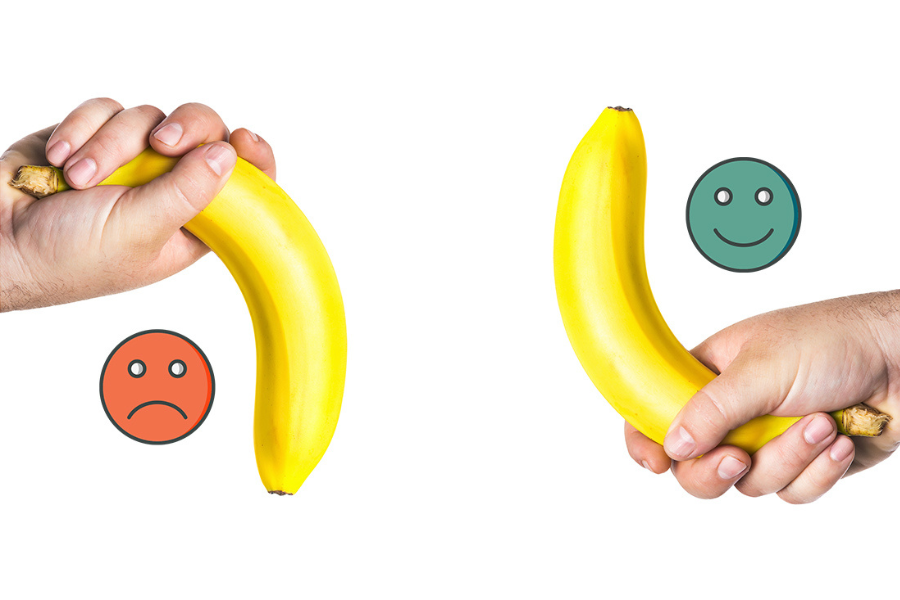
High blood pressure can affect almost every part of your body, and that includes your erections. If you have ever wondered, “can high blood pressure cause erectile dysfunction,” you are not alone. The short answer is yes, it can, and so can some blood pressure medications. The longer answer is more hopeful, because there are many ways to protect both your heart health and your sex life.
In this guide, you will learn how high blood pressure impacts erections, which medications are most likely to cause problems, and what you can do about it without putting your health at risk.
How high blood pressure affects erections
An erection is all about blood flow. When you are aroused, blood vessels leading to your penis widen and fill with blood. If those vessels are damaged or narrowed, it becomes harder to get or keep an erection.
High blood pressure strains the lining of your blood vessels and speeds up a process called atherosclerosis, which is the buildup of fatty deposits that narrow your arteries. The Mayo Clinic explains that this kind of damage limits blood flow to the penis and can make it difficult for you to get and keep an erection that is firm enough for sex (Mayo Clinic).
Over time, this reduced blood flow can lead to erectile dysfunction. You might notice erections are weaker, do not last as long, or are harder to achieve at all.
A warning sign for your heart
Erectile dysfunction is often one of the first noticeable signs of blood vessel problems. Blood Pressure UK notes that ED can be a sign of high blood pressure, damaged blood vessels, and heart disease, and that getting your blood pressure checked may help prevent a stroke or heart attack (Blood Pressure UK).
In other words, problems in the bedroom can be an early warning that your heart and circulation need attention. Addressing blood pressure is not just about sex, it is about your long term health.
How common ED is in men with high blood pressure
Erectile dysfunction is more common in men with high blood pressure than in men whose blood pressure is normal. A review in the World Journal of Cardiology reports that ED is about twice as common in people with arterial hypertension compared to those with normal blood pressure (World Journal of Cardiology).
Other research has shown similarly high rates. One survey of thousands of hypertensive men found that more than half had some degree of ED, and that the severity increased with age, longer duration of hypertension, and more cardiovascular risk factors such as smoking or diabetes (PMC).
You may also notice the emotional impact. The Mayo Clinic points out that ED from reduced blood flow can lead to anxiety and avoidance of sex, which can strain your relationships and lower your confidence (Mayo Clinic).
If this sounds familiar, you are far from alone, and there are legitimate medical reasons for what you are experiencing.
Can blood pressure medication cause erectile dysfunction?
Sometimes the problem is not just the high blood pressure itself but also the treatment. Some blood pressure medicines are more likely than others to contribute to ED or reduced sex drive.
According to WebMD, certain diuretics, such as hydrochlorothiazide and spironolactone, and some beta blockers like Atenolol, have been linked to erectile dysfunction (WebMD). These drugs can lower blood flow to the penis or interfere with the hormones involved in sexual function.
Because of side effects like ED, an estimated 70 percent of men who experience sexual problems from blood pressure medication stop taking their prescribed drugs (WebMD). That is a serious concern, because untreated high blood pressure raises the risk of heart attack, stroke, and kidney disease.
The good news is that not all blood pressure medicines have the same effect on erections, and some appear to have little to no negative impact.
Blood pressure drugs that rarely cause ED
Several classes of blood pressure medication are much less likely to cause erectile problems and may be better options if you are concerned about your sex life.
- ACE inhibitors, such as benazepril, captopril, and lisinopril, rarely cause erectile dysfunction. WebMD reports that less than 1 percent of patients on these drugs experience ED, which makes them a reasonable choice for many men worried about sexual side effects (WebMD).
- Angiotensin II receptor blockers, or ARBs, such as losartan (Cozaar), also rarely cause ED. In fact, one study found that ED rates in men taking losartan dropped from 75 percent to 12 percent after 12 weeks, suggesting that these drugs can actually improve sexual function in some men (WebMD).
A review article notes that while older beta blockers and some diuretics are more often associated with ED, ACE inhibitors, ARBs, calcium channel blockers, and certain newer beta blockers generally have neutral or even positive effects on erectile function (PMC).
If you think your medication is affecting your erections, talk to your doctor about whether another drug class might work just as well for your blood pressure with fewer sexual side effects.
Never stop your blood pressure medication on your own. Always speak with your doctor before making changes, because a sudden increase in blood pressure can be dangerous.
Is it the blood pressure, the pills, or both?
You might wonder how to tell whether your erectile dysfunction is caused by high blood pressure itself or the medication you take for it. In many men, it is a combination of factors.
Hypertension contributes to ED by damaging the blood vessel lining and reducing the availability of nitric oxide, which is crucial for blood vessel relaxation and erections. This endothelial dysfunction and atherosclerosis narrow the arteries that supply the penis and make it harder to get an erection, as explained in clinical reviews (PMC, World Journal of Cardiology).
On top of that, certain medications can further reduce blood flow or affect your hormones. Psychological factors can play a role as well. Knowing that you have heart or blood pressure problems can create anxiety about performance, which may worsen ED even when blood flow is adequate.
Often, you and your doctor will look at:
- When ED started in relation to your diagnosis or medication changes
- Which specific drugs and doses you are taking
- Other risk factors such as smoking, diabetes, obesity, or stress
From there, your care team can decide whether adjusting your medication, adding an ED treatment, or focusing on lifestyle changes is the best first step.
Lifestyle changes that help both BP and ED
One of the most encouraging parts of this picture is that many of the same healthy habits that lower blood pressure can also improve erectile function.
Blood Pressure UK explains that lifestyle changes that reduce blood pressure may be enough to improve ED in some men, with medication added only if needed (Blood Pressure UK). A review in the World Journal of Cardiology highlights these same changes as effective initial treatments for ED in men with hypertension, especially those who have not yet started medication (World Journal of Cardiology).
Helpful steps include:
- Moving more. Regular physical activity improves circulation, lowers blood pressure, and supports healthier erections. Even brisk walking most days of the week can make a difference.
- Adjusting what you eat. A balanced, heart friendly eating pattern, such as a Mediterranean style diet, supports vascular health and can reduce risk factors that worsen ED.
- Cutting back on alcohol and quitting smoking. Both can damage blood vessels and lower sexual performance. Reducing or quitting can help your blood pressure and your erections.
- Managing weight. Excess weight is linked with high blood pressure and ED. Even modest weight loss can improve both.
These changes do not have to be extreme to be effective. Small, consistent steps will support your blood vessels, your heart, and your sexual health over time.
Using ED medication when you have high blood pressure
If you already have high blood pressure, you might wonder if it is safe to take erectile dysfunction medications such as sildenafil (Viagra) or tadalafil (Cialis).
The Mayo Clinic notes that ED drugs are generally considered safe for men with high blood pressure who are otherwise healthy, but they are not suitable for everyone. You should not use them if you have severe heart disease or take nitrates for chest pain, because the combination can cause a dangerous drop in blood pressure (Mayo Clinic).
A review in the World Journal of Cardiology also reports that phosphodiesterase 5 inhibitors are safe and effective for ED in hypertensive patients, even when they are already on multiple blood pressure drugs, with the same exception for men on organic nitrates (World Journal of Cardiology).
Before you try any ED medication, talk with your doctor. They can:
- Check that your blood pressure is well controlled
- Review your medications to avoid dangerous interactions
- Help you choose a dose and timing that fit your health and your sex life
When used appropriately, ED medication can not only improve erections but also boost your confidence and even help you stay more motivated to manage your blood pressure.
Talking to your doctor about ED and blood pressure
It can feel awkward to bring up sexual problems, but your doctor hears this far more often than you might think. Clinical guidelines recommend assessing sexual health in men with hypertension, especially over age 50, because ED can be an early marker of cardiovascular disease and influences treatment choices (PMC).
To make the conversation easier, you can:
-
Write down your symptoms
Note when you started having trouble, whether it is getting, keeping, or the firmness of your erections, and any changes in your sex drive. -
List your medications and supplements
Include doses and when you started or changed them. This helps your doctor see potential links. -
Mention your concerns directly
You might say, “Since starting this blood pressure medication, I have had trouble with erections. Could the medicine be involved, and are there alternatives?” -
Ask about a full cardiovascular check
Because ED can signal broader blood vessel issues, it makes sense to ask whether additional heart or circulation tests are appropriate for you.
Your doctor may adjust doses, switch medications, suggest lifestyle changes, refer you to a specialist, or discuss ED treatments. The goal is to keep your blood pressure controlled while also respecting your quality of life.
Key takeaways
To bring it all together:
- High blood pressure can cause erectile dysfunction by damaging and narrowing blood vessels, including those supplying the penis (Mayo Clinic, Blood Pressure UK).
- ED is about twice as common in men with hypertension as in men with normal blood pressure (World Journal of Cardiology).
- Some older blood pressure drugs, such as certain diuretics and beta blockers, are more likely to cause ED, while ACE inhibitors and ARBs rarely do and may even help sexual function in some cases (WebMD, PMC).
- Lifestyle changes that lower blood pressure, like regular exercise, a heart healthy diet, weight management, and quitting smoking, can also improve erectile function (World Journal of Cardiology, Blood Pressure UK).
- ED medications are often safe for men with controlled high blood pressure who are not taking nitrates, but you should always confirm with your doctor first (Mayo Clinic).
If you are living with high blood pressure and noticing changes in your erections, you do not have to choose between your heart and your sex life. The most important next step is to speak with a healthcare professional, so you can explore treatment options that support both.
About the Author