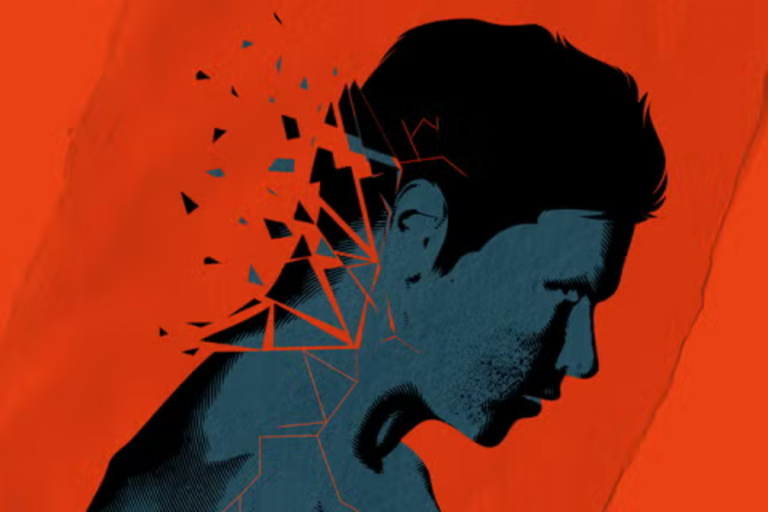
Burnout in men is easy to miss because from the outside you might look like you are doing fine. You show up for work, pay the bills, take care of your people. Inside, though, you may feel drained, numb, or constantly on edge. This guide walks you through what burnout in men really looks like, why it hits so hard, and practical ways you can recover.
What burnout in men really is
Burnout is not the same thing as having a bad week or feeling stressed before a deadline. The World Health Organization classifies burnout as an “occupational phenomenon” tied to ongoing stress that has not been successfully managed, originally focused on work-related stress but now often used more broadly. Over time it becomes a deep exhaustion that affects your body, your mood, and the way you see your life.
Instead of bouncing back after a weekend off, you stay tired. Things that used to motivate you feel pointless. You might notice more physical problems too, like headaches, stomach issues, or sleep problems. This is all part of burnout, not a weakness or a character flaw.
Burnout can come from long work hours, caregiving responsibilities, financial pressure, or years of “just pushing through.” Whatever the source, your system eventually stops being able to keep up.
A helpful way to think about burnout: it is your mind and body telling you that your current pace and load are no longer sustainable.
Why men often miss the early signs
You might not see your own burnout clearly because of what you were taught about being a man. Many men grow up hearing some version of “tough it out” or “real men do not complain.” That conditioning can make it hard to notice or admit that you are struggling, even to yourself.
High-functioning burnout in men is especially tricky. You might still be performing well at work, hitting your targets, and showing up for family events, yet feel like you are running on fumes inside. The Embodied Wellness team in Michigan describes high-functioning burnout as continuing to manage daily responsibilities while feeling emotionally, mentally, and physically exhausted on the inside.
Because you look capable on the surface, people assume you are fine, and you may tell yourself the same story. That delay in recognizing what is going on can let burnout dig in deeper.
Common signs of burnout in men
Burnout in men shows up across your body, emotions, thinking, and behavior. You do not need to have every symptom for it to count as burnout. If several of these feel familiar and have been around for a while, it is worth paying attention.
Physical signs
Burnout is not just “in your head.” Your body often speaks first. Common physical signs include:
- Ongoing fatigue, even after sleep or time off
- Frequent headaches or muscle tension
- Digestive issues, such as stomach discomfort or changes in appetite
- Trouble falling asleep or staying asleep
- Feeling run down and getting sick more often
These symptoms can overlap with other medical conditions, like thyroid problems or iron deficiency. Psychotherapist Natacha Duke recommends that men check in with a healthcare provider to rule out other issues before assuming it is “just stress”. Getting a medical checkup is a smart first step, not an overreaction.
Emotional and mental signs
Emotionally, burnout often feels like a slow dimming of your inner lights. You might notice:
- Feeling empty, numb, or detached from your own life
- Irritability, impatience, or a short fuse over small things
- A sense of helplessness or hopelessness
- Difficulty concentrating or making decisions
- Less satisfaction from achievements that used to matter
WebMD notes that burnout can show up as emotional, physical, and mental fatigue over a prolonged period, leading to feelings of depletion and lack of motivation. That long grind is usually what separates burnout from regular stress.
Behavioral changes
Other signs of burnout in men show up in what you do, or stop doing:
- Pulling away from friends, family, or activities you used to enjoy
- Working even longer hours to “catch up” but never feeling caught up
- Using alcohol, drugs, or food to cope or numb out
- Being more cynical or negative about work, people, or the future
- Snapping at loved ones more often and apologizing later
If this goes on for too long without support, the risks increase. Long-term burnout is linked with higher rates of depression, anxiety, and physical problems such as heart disease and diabetes, especially when it is left unaddressed.
How burnout hits men differently
Burnout itself is not gender specific, but the way you experience and respond to it can be shaped by expectations about masculinity.
Research summarized by WebMD shows that women report job burnout more often than men. At the same time, a large Finnish study found that severe burnout made people 15 times more likely to have major depressive disorder, and the increase in risk was much higher for men than for women, 29.5 times versus 10.2 times. That suggests men may be especially vulnerable when burnout goes unchecked.
Several patterns can make burnout in men more dangerous:
- You may wait longer to ask for help, so symptoms are more severe when you finally do.
- You might cope in ways that hurt more than help, such as working more, drinking more, or shutting down emotionally.
- You might still look high performing from the outside, which makes others less likely to check in or notice changes.
In caring professions, like social work or mental health services, burnout is especially high. Reviews of studies up to 2010 show that between 21% and 67% of mental health workers report burnout, with significant links to physical symptoms, absenteeism, and wanting to quit. Men in these roles can be hit hard because they often carry both emotional load and cultural pressure to stay strong for others.
The hidden cost of “overload burnout”
One common pattern for burnout in men is sometimes called “overload burnout.” You keep taking on more responsibility, reach for higher goals, and push yourself harder each time you feel behind. It can feel like the only way out is to double down.
Over time that approach backfires. You sacrifice sleep, relationships, and your own body to keep performing. You might start to feel resentful or trapped, but still struggle to slow down. This is often where health problems or relationship crises show up.
Embodied Wellness notes that hidden burnout in high-functioning men often includes chronic fatigue, emotional numbness, higher irritability, headaches, and a drop in satisfaction, even when performance stays high. If that sounds familiar, treating your stress as a problem to solve, not a personal failure, is key.
Why recovery takes time
Burnout does not resolve in a weekend. According to Cleveland Clinic experts, recovery from burnout can take a few months to several years, depending on how severe it is, what caused it, and what support you have in place.
You have probably spent years building the habits, workloads, and beliefs that led you here. Undoing that takes patience. The goal is not to get back to your “old normal” if that normal is what burned you out. The goal is to build a new way of living and working that is actually sustainable.
Dr Sue Varma, a psychiatrist who has treated burnout for decades, describes it as a profound, chronic exhaustion of mind, body, and spirit that can strip away your sense of agency, or belief that you have control over your life. Regaining that sense of agency is a core part of healing.
First steps to check your burnout
Before you try to fix everything at once, start by getting a clear picture of where you are. You can think in terms of three basic questions:
- How long have you felt this depleted?
- How much is it affecting your daily life?
- What have you already tried, and has any of it helped?
It can help to jot down a quick list of your top symptoms, how often they show up, and what seems to make them better or worse. If you are comfortable, share that list with a trusted friend, partner, or healthcare provider. It gives you a starting point for a real conversation, instead of saying “I am just tired.”
How you can start recovering
There is no single fix for burnout in men, but several strategies tend to help when you use them consistently. Think of these as building blocks rather than quick hacks.
Practice self-compassion, not just self-care
Typical “self-care” advice, like taking a bath or going for a walk, is not wrong. It is just not enough on its own. Psychotherapist Natacha Duke emphasizes the importance of self-compassion, which means treating yourself with kindness during difficult times and actively problem solving rather than just criticizing yourself.
Instead of telling yourself you should handle more, self-compassion sounds like:
- “Of course I am exhausted. Anyone in my position would be.”
- “I am allowed to adjust my workload. My health matters too.”
- “I made a mistake, but that does not define my worth.”
From that kinder stance, you are more likely to make healthy changes instead of pushing yourself harder.
Reduce the load you are carrying
You cannot recover if everything that burned you out stays the same. This is the tough part, because it usually means changing how you work or how you relate to others.
Practical ways to lighten your load include:
- Saying no to new commitments while you are recovering
- Delegating tasks at work or at home where possible
- Setting clear limits on your working hours and sticking to them
- Taking real breaks during the day instead of working through lunch
Dr Varma notes that preventing and healing burnout is about working smarter and more intentionally, not just harder. Protecting your time and energy is not laziness. It is maintenance.
Strengthen your boundaries
If you were raised to be the “reliable one,” setting boundaries might feel selfish. In reality, it is one of the most protective tools you have.
Boundaries can sound like:
- “I can stay until 6 today, after that I am not available.”
- “I want to help, but I cannot take that on right now.”
- “I need at least one full day off a week where I am not on call.”
Cleveland Clinic experts encourage men to alert their support system and clearly assert their needs as part of burnout recovery, because it reduces stress and makes room for real rest.
Rebuild your support system
Going through burnout alone is much harder. Social support is one of the main protective factors that shortens recovery time and reduces the risk of things like depression or substance abuse.
You can strengthen your support network by:
- Letting one or two trusted people know what you are actually going through
- Asking for specific help, like watching the kids one night or covering a shift
- Joining a men’s group, support group, or online community focused on stress and mental health
- Considering men’s counseling to have a neutral space that is focused on you
Embodied Wellness highlights that therapy can help men challenge harmful expectations around masculinity, talk openly about stress, and build healthier coping skills like communication and boundary setting.
When to seek professional help
It is important to involve professionals early, not just as a last resort. You should reach out to a doctor, psychiatrist, or therapist if you notice any of the following:
- Symptoms have lasted for months and are getting worse, not better
- You suspect depression or anxiety on top of burnout
- You are using alcohol, drugs, or risky behaviors to cope
- You have thoughts that life is not worth living or that others would be better off without you
The Finnish study on burnout and depression shows how serious this can be, especially for men. Severe burnout was associated with a nearly 30 times higher risk of major depressive disorder in men. Getting help is not overreacting, it is protective.
Therapies that tend to work well for burnout in men include:
- Cognitive Behavioral Therapy (CBT) to challenge negative thought patterns and build healthier ones
- Psychodynamic therapy to explore deeper roots of your stress and beliefs about yourself
- Integrating physical activity into treatment to improve mood and reduce shame around mental health
If finding the right therapist feels hard, that is normal. You may need to speak with a few to find someone who understands men’s specific challenges and makes you feel heard.
Building a more sustainable life after burnout
Recovery is not only about getting out of the hole. It is also about not falling back in. Once you start to feel more like yourself, keep reinforcing the habits that helped you get there.
You can:
- Keep regular check ins with yourself about energy, mood, and stress
- Maintain realistic work hours and protect your days off
- Stay involved in interests outside of work, such as hobbies, sports, or volunteering
- Practice stress management tools like mindfulness, breathing exercises, or journaling
- Treat self-care as a responsibility, not a reward you earn only when you “deserve” it
Dr Varma describes self-care as a civic duty that sustains your ability to show up in all areas of life, from work to family to community. Taking care of yourself is what allows you to keep being the partner, father, friend, or leader you want to be.
If you recognize yourself in any of this, you do not have to figure it out alone. Starting with one small step, like scheduling a checkup, talking to someone you trust, or setting a single new boundary this week, is enough to begin moving out of burnout and toward a healthier, more sustainable way of living.
About the Author