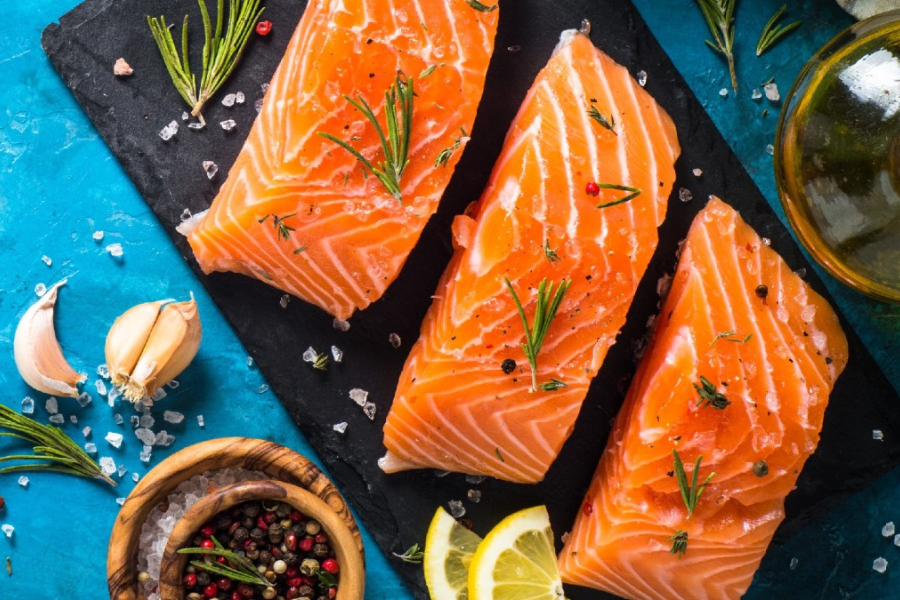
A solid workout is only half the story. The other half is what you eat afterward, especially your protein. When you focus on the best protein sources after workout, you give your muscles the building blocks to repair, grow, and come back stronger the next time you train.
Below, you will see how protein actually works after a workout, how much you need, and the best foods and supplements to reach your goals without overcomplicating your routine.
Why protein matters after your workout
When you lift, sprint, or push through a hard session, you create tiny tears in your muscle fibers. That is a good thing, as long as you feed your body what it needs to repair the damage.
Protein provides amino acids, including leucine, which trigger muscle protein synthesis. This repair process is how you increase strength and lean mass over time. Without enough protein, your body struggles to rebuild, you feel sorer, and you may even lose muscle if you consistently fall short on intake (Memorial Hermann).
Research shows that total daily protein intake matters more than the exact minute you drink your shake. A large meta-analysis of 23 studies found that once total protein is equal, strict timing around workouts does not significantly boost strength or muscle gain (Journal of the International Society of Sports Nutrition). In short, your priority is getting enough high quality protein every day.
How much protein you really need
You do not need half your bodyweight in protein powder to build muscle. You need a consistent, reasonable amount spread across the day.
Most active men do well with:
- About 1.2 to 1.7 grams of protein per kilogram of body weight per day, according to guidelines cited by Mass General Brigham (Mass General Brigham)
- At least 15 to 25 grams of protein within about 2 hours after exercise to stimulate muscle growth and recovery (Mass General Brigham)
Sports nutrition experts often narrow this to roughly 20 to 40 grams of protein before and after training, and then another serving every 3 to 4 hours across your day (Healthline).
One helpful rule of thumb is to aim for at least 20 to 25 grams of protein per meal, which is usually enough to maximize muscle protein synthesis in one sitting (NASM).
If you like numbers, here is a quick reference:
A 180 pound man (about 82 kg) might aim for 100 to 140 grams of protein per day, split into 4 to 5 meals or snacks.
Timing your post‑workout protein
You may have heard that you must slam a shake within 30 minutes of your last rep. The reality is more flexible.
Studies suggest:
- If you trained fasted, getting protein soon after your workout becomes more important
- If you ate a meal with protein within a few hours before training, your body still has amino acids available and the “window” is wider, likely a few hours on each side of your workout (lewis.gsu.edu)
A summary of current evidence:
- A meta-analysis found that total daily protein is a stronger predictor of muscle gain than exact timing (Journal of the International Society of Sports Nutrition)
- Other work suggests an “anabolic window” that can stretch several hours, not just 30 minutes (NASM)
Practically, if you finish training and eat a balanced meal or shake with 20 to 40 grams of protein within about 2 hours, you are covering your bases and supporting recovery effectively (Healthline).
Combine protein with carbs (and a bit of fat)
Protein is the star after strength work, but it does not act alone.
Carbohydrates help you:
- Refill glycogen, which is your muscles’ stored fuel
- Drive nutrients into muscle cells by raising insulin, which helps shuttle both glucose and amino acids inside (Memorial Hermann)
Guidelines from the International Society of Sports Nutrition suggest that combining roughly 0.4 grams of carbs per pound of body weight with 0.1 to 0.2 grams of protein per pound per hour in the first few hours can speed up glycogen restoration and muscle repair (Healthline).
Fat used to get a bad reputation in post‑workout meals. Newer research indicates that a moderate amount of fat, such as in whole eggs or whole milk, does not harm recovery and may even support muscle protein synthesis, although more studies are needed (Healthline).
A simple formula: protein for repair, carbs for refueling, and some healthy fat for satiety and hormone support.
Best animal protein sources after your workout
Animal based proteins are often considered the “gold standard,” especially for muscle building, because they are rich in essential amino acids and highly digestible. A 2020 meta-analysis found that animal protein tends to have a slightly more favorable effect on lean mass than plant protein, particularly in younger adults, although the overall differences are relatively small (Nutrients).
Whey protein
Whey is one of the best protein sources after workout if you want convenience and fast absorption.
- Digests quickly, with amino acids hitting your bloodstream within about 15 to 20 minutes (NASM)
- High in leucine, which is key for triggering muscle protein synthesis
- Easy to mix into water or milk for 20 to 30 grams of protein in one scoop
If you train early, have a tight schedule, or prefer lighter post‑workout options, whey is a solid choice.
Greek yogurt
Greek yogurt, especially plain and low sugar, gives you:
- Around 15 to 20 grams of protein per serving
- Both whey and casein, so you get fast and slower digesting proteins
- Natural carbs if you choose regular rather than ultra‑filtered versions
Top it with fruit and a handful of granola and you have a balanced protein plus carb recovery snack.
Eggs and egg based meals
Eggs are a classic for a reason.
- One large egg gives about 6 grams of high quality protein
- Whole eggs may support muscle growth and protein synthesis better than egg whites alone, possibly due to the fat and nutrients in the yolk (Healthline)
Scramble three eggs with vegetables and a slice or two of whole grain toast and you have a simple, effective post‑workout plate.
Chicken, turkey, and lean beef
If you like a full meal after training, lean meats fit well as your main protein source.
- Four ounces of cooked chicken, turkey, or lean beef typically gives 25 to 35 grams of protein
- Animal proteins like these are rich in essential amino acids and highly digestible, which supports lean mass gains (Nutrients)
Pair with rice, potatoes, or whole grains, plus vegetables, and you can check off your protein, carbs, and micronutrients in one sitting.
Best plant based protein sources after your workout
If you are vegetarian, plant based, or just want to rely less on meat, you still have plenty of options. The key is to think in combinations, so you get a complete amino acid profile.
Plant protein powders
Plant based powders, often made from pea, rice, or soy, make it easier to hit your numbers.
- Convenient if you train during a busy workday
- Helpful if you tend to undereat protein at meals
Some blends are formulated to provide a full spectrum of essential amino acids. For many men, one scoop in water, almond milk, or a smoothie will deliver 20 to 25 grams of protein.
Beans, lentils, and rice combinations
A mix of legumes and grains is one of the best protein sources after workout if you want a whole food, plant based meal.
Examples include:
- Rice and black beans
- Lentil and quinoa bowl
- Chickpeas over whole grain couscous
One cup of mixed plant proteins like rice and beans can fit into the recommended 20 to 40 gram post‑workout protein target when portions are generous (lewis.gsu.edu).
Tofu and tempeh
Soy based options are easy to flavor and work in many dishes.
- Firm tofu has around 8 to 10 grams of protein per 3 ounce serving
- Tempeh is denser and typically higher in protein per bite
Stir fry tofu with vegetables and noodles, or pan sear tempeh and serve with potatoes or rice to create a filling recovery meal.
Quick post‑workout meal and snack ideas
You do not have to reinvent your diet. Simple combinations you enjoy and can repeat are usually best.
Here are a few examples you can rotate:
- Whey protein shake blended with a banana and oats
- Greek yogurt with berries and a small handful of granola
- Grilled chicken breast, brown rice, and steamed broccoli
- Scrambled whole eggs, sautéed spinach, and whole grain toast
- Plant protein smoothie with frozen fruit and peanut butter
- Rice and black beans with salsa and avocado
- Tofu stir fry with mixed vegetables and jasmine rice
Each option gives you a solid dose of protein plus the carbohydrates your muscles need to refuel.
Matching your protein to your workout
Lastly, it helps to adjust emphasis based on the type of training you are doing.
- After strength or hypertrophy sessions, make protein the priority and include some complex carbs. Experts at UCLA Health recommend plenty of protein plus carbs to help muscles repair and grow stronger (UCLA Health)
- After cardio, such as long runs or intense cycling, you still want protein, but you might lean more heavily on carbs to restore glycogen and rehydrate (UCLA Health)
- After lighter sessions like yoga or mobility work, hydration comes first and a smaller snack with some carbs and a bit of protein is usually enough (UCLA Health)
Across all workout types, staying on top of hydration supports muscle function and recovery just as much as your food choices.
Putting it all together
If you want to get stronger faster, focus on these basics:
- Hit your daily protein target, roughly 1.2 to 1.7 grams per kilogram of bodyweight
- Aim for 20 to 40 grams of protein within about 2 hours after training
- Combine protein with carbs and a bit of fat for better recovery
- Choose protein sources you enjoy and can prepare consistently, whether that is whey, Greek yogurt, meat, or plant based combos
Start by improving just one post‑workout meal this week. Pick one protein source from this list, pair it with a carb you like, and see how your energy and recovery feel in your next session. Over time, those small consistent choices are what rebuild your body rep by rep.
About the Author