Image by Flux
A smart post-workout meal can turn a tough training session into real muscle gain. The best post-workout foods for muscle gain give you three things at once: protein to repair muscle, carbohydrates to refuel, and some fat and micronutrients to support recovery and hormones.
Below, you will see how to build a solid post-workout plate, simple meal ideas, and timing tips so you can get more results from the work you already do in the gym.
Understand what your muscles need after a workout
When you lift or do intense training, you create tiny tears in your muscle fibers and use up your energy stores. Afterward, your body is primed to repair and rebuild, but it needs the right building blocks.
Protein to repair and build muscle
Protein provides the amino acids your muscles use to repair damage and grow. Several expert groups recommend that active people eat more protein than the general population.
- For muscle building, a good rule of thumb is about 0.7 grams of protein per pound of body weight per day, so a 175 pound man would aim for around 125 grams daily (Hartford HealthCare).
- Many sports nutrition experts suggest 1.2 to 1.7 grams per kilogram of body weight per day for active people, with the lower end working for moderate activity and the higher end for more intense training (Mass General Brigham).
Around your workout, the focus shifts from total daily protein to how you spread it out. The International Society of Sports Nutrition suggests 20 to 40 grams of protein every 3 to 4 hours, including before and after exercise, to support muscle repair and growth (Healthline).
Carbohydrates to refuel and support growth
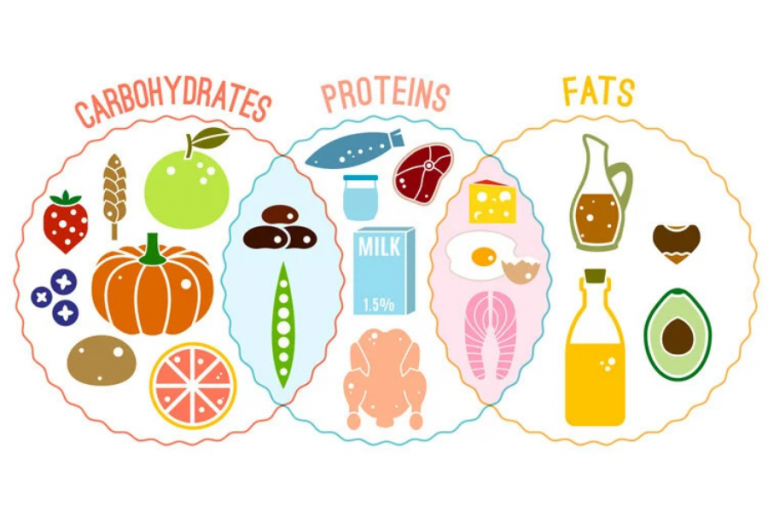
Carbohydrates get a bad reputation in some circles, but they are essential if you want to gain muscle, especially when you are training hard. Carbs do three big jobs after a workout:
- They refill your muscle glycogen, which is your stored training fuel.
- They help spare protein from being burned for energy, so more of the protein you eat can go toward muscle growth instead of fuel (Nourish To Flourish).
- They support hormonal balance that favors muscle building and recovery (Nourish To Flourish).
Eating carbohydrates with protein after you train also helps trigger insulin release. Insulin helps shuttle both glucose and amino acids into your muscle cells, which speeds up repair and glycogen replenishment (Memorial Hermann).
Fats and micronutrients for full recovery
Fat does not slow recovery the way many people used to think. In fact, some studies suggest that whole eggs may stimulate muscle protein synthesis better than egg whites alone, and that whole milk may be helpful as well, although more research is needed (Healthline).
You also need vitamins, minerals, antioxidants, and omega 3 fats to keep inflammation in check and support long term joint and muscle health. Colorful fruits and vegetables plus foods like salmon, flax, and walnuts give you these recovery helpers (Memorial Hermann).
Time your post-workout nutrition
You do not have to slam a shake the second you rack your last set, but timing still matters if you want to maximize results.
The post-workout “window,” simplified
Older advice said you had only 30 to 60 minutes to eat after a workout. Newer research suggests this “anabolic window” is more of a “doorway” that stays open for longer, especially if you had protein before or during training (Healthline, UCLA Health).
A practical guideline for muscle gain:
- Aim to eat a meal or substantial snack that includes both protein and carbohydrates within about 2 hours after training. This timing supports muscle protein synthesis and glycogen replenishment (Mayo Clinic, Healthline, Memorial Hermann).
- If you trained fasted or it has been several hours since your last meal, try to eat sooner, ideally within the first hour.
Choose the best post-workout foods for muscle gain
You do not need exotic superfoods. You need solid, familiar foods in the right combinations. Use this simple formula for your post-workout meals:
Protein rich food + quality carbohydrate + small amount of healthy fat + some color from fruits or vegetables.
Here are category ideas you can mix and match.
High quality protein sources
Aim for 20 to 40 grams of protein in your post-workout meal. Good options include:
- Eggs or whole eggs and egg whites
- Chicken breast or thighs with visible fat trimmed
- Turkey, lean beef, or pork tenderloin (Hartford HealthCare)
- Fish and seafood, like salmon, tuna, or shrimp
- Dairy, such as Greek yogurt, cottage cheese, or milk
- Plant based options like tofu, tempeh, beans and lentils paired with whole grains to round out amino acids (Hartford HealthCare)
Protein powders can be a convenient way to hit your targets when you are on the go. If you use one, look for third party certifications such as NSF Certified for Sport so you can be more confident about purity and label accuracy, and consider checking with a registered dietitian before starting supplements (Hartford HealthCare).
Smart carbohydrate choices
For muscle gain, you want mostly complex and minimally processed carbs. These provide energy and fiber without giant blood sugar swings.
Good post-workout carbs include:
- Rice, quinoa, farro, or whole wheat pasta
- Oats or whole grain bread
- Potatoes or sweet potatoes
- Beans and lentils
- Fruit like bananas, berries, apples, or oranges
If your workout lasted longer than 60 minutes or included a lot of high intensity work, carbohydrates become even more important both during and after training to keep energy up and rebuild glycogen (Mayo Clinic, Healthline).
Supportive fats and recovery foods
You do not need a lot of fat right after a workout, but you should not avoid it entirely either. Include modest portions of:
- Avocado
- Nuts and seeds
- Olive oil
- Whole eggs
- Fatty fish such as salmon or sardines
For inflammation control and soreness, build in a variety of fruits and vegetables and omega 3 rich foods. These can help reduce exercise induced inflammation and support faster healing (Memorial Hermann).
Build simple post-workout meals and snacks
To make this more practical, here are several balanced meal ideas that fit the pattern of protein plus carbs plus some fat and color.
Post-workout meal ideas
-
Grilled chicken, rice, and veggies
Grilled chicken breast, a generous serving of white or brown rice, and a side of roasted broccoli or mixed vegetables with a drizzle of olive oil. This gives you lean protein, fast and slower digesting carbs, and some healthy fat. -
Salmon, sweet potato, and greens
Baked salmon, a medium sweet potato, and a big handful of sautéed spinach. You get protein, complex carbohydrates, and omega 3 fats for inflammation support. -
Beef and quinoa bowl
Lean ground beef or bison with quinoa, black beans, and salsa, topped with avocado. This covers all three macronutrients plus fiber and micronutrients. -
Stir fry with tofu or chicken
Tofu or chicken stir fried with mixed vegetables over jasmine or brown rice. Use a light amount of oil and add some fruit on the side if you need more carbs. -
Egg and potato plate
Whole eggs and egg whites cooked with spinach, served with pan roasted potatoes and fruit. You get high quality protein, carbohydrates, and some healthy fat.
Quick post-workout snacks
If you cannot get to a full meal within an hour or so, have a snack that covers both protein and carbohydrates, then follow up with a full meal later.
Solid options include:
- Greek yogurt with berries and a small handful of granola
- Cottage cheese with pineapple or sliced peaches
- A protein shake blended with a banana and oats
- Whole grain toast with peanut butter and a glass of milk
- A premixed protein drink with a piece of fruit (Mass General Brigham)
Mayo Clinic also notes that a simple option like yogurt and fruit works well after exercise, since it combines both protein and carbs in a quick, easy snack (Mayo Clinic).
Eat enough throughout the day, not only after training
The best post-workout foods for muscle gain will not work if the rest of your day is far off target. Muscle growth depends more on your daily pattern than on a single shake.
Spread protein across your meals
Instead of one huge protein heavy dinner, aim for around 20 to 40 grams at each meal and snack so your muscles get a steady supply of amino acids. Some experts suggest about 30 grams of protein at breakfast, lunch, and dinner, plus protein rich snacks like bars, cottage cheese, or meat sticks to round out your total intake (Mass General Brigham).
A balanced macronutrient split that works well for many active men is about 30 percent of calories from protein, 40 percent from carbohydrates, and 30 percent from fats, although your ideal mix can shift based on your goals and training style (Mass General Brigham).
Avoid going overboard on protein
More is not always better. Eating significantly more protein than your body can use just adds extra calories, which can lead to unwanted fat gain. If you are trying to lose fat while keeping muscle, slightly higher protein around 0.8 to 1 gram per pound of body weight paired with proper weight training can help preserve lean mass while you are in a calorie deficit (Hartford HealthCare).
Hydrate for performance and recovery
Hydration is easy to overlook, but it matters as much as your food choices for muscle function and recovery.
Good guidelines include:
- Drink 500 to 600 milliliters of water 2 to 3 hours before exercise.
- Sip water during your workout, and then replace fluids afterward based on how much you sweat.
- For very long or especially sweaty sessions, consider a low sugar sports drink with electrolytes and some carbohydrates to help restore fluids and energy (Healthline, UCLA Health).
Staying hydrated helps your muscles contract properly and can reduce cramping and fatigue during later sessions.
Foods that can slow your progress
You do not need a perfect diet to build muscle, but some foods will make recovery harder if they dominate your intake, especially right after training.
Try to limit:
- Sugary snacks and drinks that spike blood sugar without providing nutrients
- Excessive alcohol, which can interfere with muscle repair and sleep
- Heavily fried foods that increase inflammation (Memorial Hermann)
Focusing on lean proteins, whole grains, fruits, vegetables, and healthy fats will support both muscle growth and overall health at the same time.
Put it into action
To keep things simple, you can use this basic plan:
- Before you train, eat a balanced meal with protein and carbohydrates so you start with energy on board (UCLA Health, Mayo Clinic).
- After you train, aim for 20 to 40 grams of protein plus quality carbohydrates within about 2 hours.
- Repeat that pattern across your day with balanced meals and snacks, steady hydration, and mostly whole foods.
Pick one change you can start today, such as adding a Greek yogurt and fruit snack after lifting or swapping a fast food stop for a simple chicken and rice bowl at home. Over the next few weeks, those small upgrades in your post-workout nutrition can add up to better recovery, stronger sessions, and more visible muscle gain.
About the Author