A “perfect” workout plan looks different for every man, but the best fitness routine usually has a few things in common. It helps you build strength, improve your heart health, move better in daily life, and it fits your schedule so you can actually stick with it.
Below, you will find a clear, practical guide to choosing and building the best fitness routine for you, based on what research and major health organizations currently recommend.
Understand what “best fitness routine” really means
When you think about the best fitness routine, it helps to define “best” in a way that is realistic and useful.
In practice, the best routine for you is one that:
- Hits all the key parts of fitness, including strength, cardio, mobility, and balance
- Matches your current level, so it feels challenging but not punishing
- Fits your week, so you can repeat it for months, not just days
- Supports your main goals, such as fat loss, muscle gain, or better health
According to the Mayo Clinic, a well rounded training plan should include aerobic fitness, strength training, core exercises, balance training, and flexibility or stretching work, not just one or two of those pieces. Keeping that simple checklist in mind makes it easier to evaluate any workout plan you see online.
Start with clear and realistic goals
Before you choose exercises or buy gear, get very clear about what you want your fitness routine to do for you.
You might want to:
- Lose body fat and feel lighter in your clothes
- Build visible muscle and strength
- Improve energy, heart health, or blood markers
- Move without pain so chores and hobbies feel easier
Your goals shape how you train. If you want to lose weight, combining strength training with regular cardio is usually the most effective route, because you burn calories during workouts and build muscle that keeps your metabolism higher between sessions. If you care more about muscle and strength, you will focus on progressive overload and heavier lifts.
Be honest about your starting point too. If you have been inactive for a while or you are coming back after illness or injury, you will need shorter sessions and lighter loads, even if you used to be stronger. One exerciser reported that after a three week sickness break, a 75 minute strength and cardio session felt much harder than expected, which shows how important it is to adjust time and intensity based on how you currently feel, not how you remember feeling.
Build a weekly structure that you can keep
Once you know what you want, you can sketch out a weekly plan. The U.S. Department of Health and Human Services recommends for most healthy adults at least 150 minutes of moderate aerobic activity or 75 minutes of vigorous aerobic activity per week, and at least two days of strength training that targets all major muscle groups.
Here is a simple framework that fits most schedules:
- 2 to 3 full body strength sessions per week
- 2 to 3 cardio sessions per week
- Short daily mobility or stretching work
- A few minutes of balance or core work several times per week
If your main goal is muscle gain, you might train each muscle group 2 to 3 times per week and aim for 3 to 4 sets of 8 to 12 reps per exercise using weights that feel challenging with good form. That level of volume is often recommended for muscular hypertrophy, along with progressive overload so you keep getting stronger over time.
For fat loss or general health, you might lean more on cardio while still lifting at least twice per week so you maintain muscle. A “best fitness routine” for many busy men ends up looking like a full body strength workout 3 days per week with cardio and shorter movement sessions on the days in between.
Focus on the five elements of a great routine
A solid plan includes all the major parts of fitness, not just weights or just running. You can think in terms of five core elements.
Aerobic fitness for heart and stamina
Aerobic work keeps your heart, lungs, and circulation healthy and plays a big role in fat loss. Walking is one of the easiest starting points. It helps with weight control, cholesterol, blood pressure, bone strength, mood, and it can lower the risk of conditions like diabetes and heart disease. You can begin with shorter walks and work up to 30 to 60 minutes on most days.
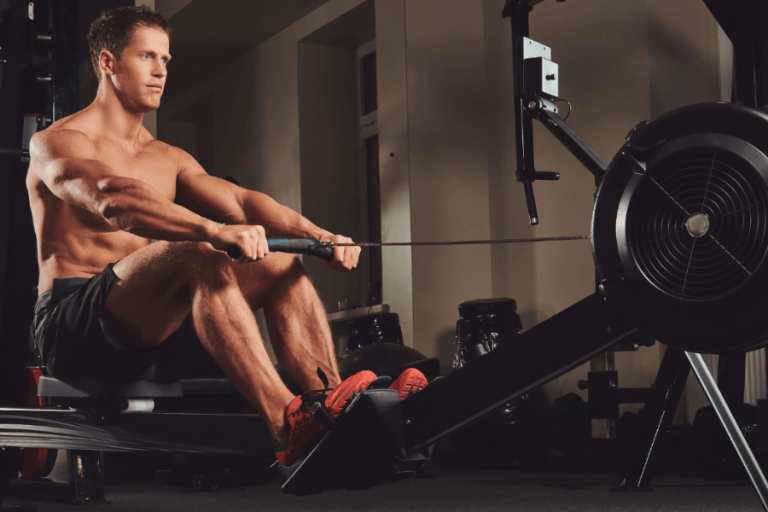
If you prefer more intense cardio, activities like jogging, cycling, rowing, or treadmill intervals can elevate your heart rate and burn more calories in less time. High intensity interval training, for example short sprints on a rowing machine or incline treadmill walking, can be an efficient way to fit cardio into a busy schedule.
Strength training to build and protect muscle
Strength training is central to almost every version of the best fitness routine. It helps you:
- Build muscle so you look and feel stronger
- Maintain bone density
- Burn more calories at rest
- Support joints and reduce injury risk
You do not need heavy barbells to start. Strength training with light weights or bodyweight can help you maintain and build muscle without getting bulky, especially if you start with proper form and slowly increase load over time.
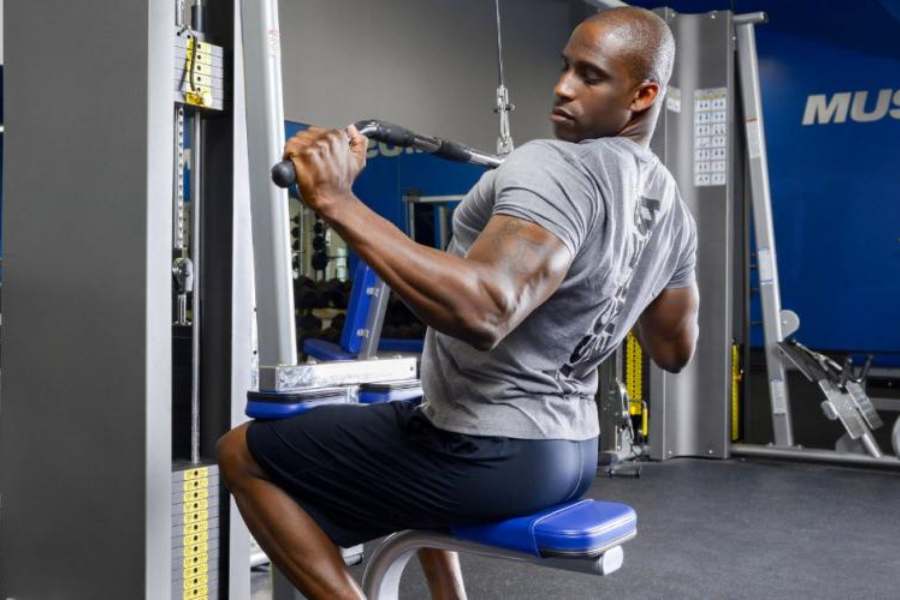
Research based strength programs for beginners, like Stronglifts 5×5 or Starting Strength, rely on compound lifts that work many muscles at once. These might include squats, deadlifts, presses, and rows. If you do not have access to a gym or you prefer to train at home, bodyweight and home workout circuits built around pushups, squats, lunges, bridges, jumping jacks, and burpees can give you a surprisingly effective workout.
For muscle gain, you will want to:
- Work each muscle group 2 to 3 times per week
- Perform roughly 3 to 4 sets of 8 to 12 reps per exercise
- Use a load that feels challenging near the end of each set
- Apply progressive overload by slowly increasing weight, reps, or difficulty over time
That gradual increase in challenge creates microscopic tears in the muscle fibers. As those fibers repair, they grow larger and stronger, which is the process of muscular hypertrophy.
Core training for power and protection
Your core is more than just your abs. It includes the muscles of your abdomen, lower back, and pelvis. A strong core stabilizes your spine, protects you during lifting, and improves overall coordination.
Useful core exercises include planks, bridges, and situps or crunch variations. Bridges and planks in particular are helpful, because they teach your core to resist movement and keep your spine stable, a skill you use anytime you lift a box, carry groceries, or pick up a child.
You do not need an entire “abs day.” Instead, you can add 2 or 3 core exercises to the end of your strength or cardio sessions a few times a week.
Balance training to stay steady and confident
Balance usually becomes more important as you age, but it helps at any stage. Good balance lets you change direction confidently, reduce your risk of falls, and move more smoothly.
Simple balance work might include:
- Standing on one leg while you brush your teeth
- Heel to toe walking in a straight line
- Gentle single leg deadlifts with light weights
Tai chi is often described as “meditation in motion” and combines relaxed movement with control and balance. It has been shown to help older adults maintain stability and is suitable for many ages and fitness levels. You can blend a short tai chi session into your week as either balance training or an active recovery day.
Flexibility and mobility so you move freely
Stretching and mobility work support everything else in your fitness routine. They increase joint range of motion, reduce stiffness, and can lower stress.
Yoga and Pilates are both excellent options. Yoga can help you wind down, build flexibility, and improve body awareness. Pilates often targets posture and core strength. The New York Times features routines like “Pilates for Better Posture,” “Improve Your Mobility,” and “Prevent Back Pain,” which are useful if you want guided options for mobility and pain prevention.
You can also keep it simple with a 5 to 10 minute routine after your workouts that focuses on the muscles you used that day.
If you are ever unsure whether an exercise is right for you, especially if you have a medical condition or pain, talk with your doctor or a qualified trainer before you start.
Choose training styles that match your preferences
You will stay more consistent if you pick a fitness routine that you actually enjoy. The research and programs highlighted by outlets like The New York Times show just how many options you have.
Beginner friendly workout ideas include:
- No equipment strength workouts that rely on bodyweight
- Fundamental movement routines that teach squats, hinges, pushes, and pulls
- Intro to HIIT workouts that mix short intense bursts with recovery periods
You can also mix in specialized styles like:
- Pilates to improve posture and control
- Plyometrics if you want to build speed and power
- Yoga to help you relax and recover
- “Train for daily life” routines that mimic real world tasks
Swimming is another strong candidate for best overall workout if you have access to a pool. The buoyancy of water supports your body and takes pressure off painful joints, which makes it particularly helpful if you have arthritis or joint issues. Swimming also tends to improve mood and mental state, according to Dr. I Min Lee of Harvard Medical School.
What matters most is that you pick a style you can see yourself doing multiple times per week. The perfect routine on paper will not help if you dread every session.
Sample weekly plan you can adapt
Here is a balanced example that pulls these pieces together. You can adjust sets, reps, and time based on your level, but this gives you a clear structure.
Day 1: Full body strength + light cardio
- Warm up: 5 minutes of brisk walking or cycling, then 5 minutes of dynamic stretching
- Strength: 4 exercises, each 3 to 4 sets of 8 to 12 reps, targeting different muscle groups
- Core finisher: plank variations for 2 to 3 sets
- Cardio: 10 to 20 minutes of easy cycling, walking, or elliptical
Day 2: Cardio + mobility
- 30 to 45 minutes of moderate cardio, like brisk walking, swimming, or cycling
- 10 minutes of stretching or yoga focusing on hips, hamstrings, chest, and shoulders
Day 3: Full body strength
- Similar structure to Day 1, with different exercises, such as lunges instead of squats or rows instead of pulldowns
- Finish with light core work and 5 to 10 minutes of easy cooldown
Day 4: Optional HIIT or active recovery
- Short HIIT session, like rowing or treadmill intervals, if you feel good
- Or a lighter day with tai chi, a relaxed walk, or mobility work
Day 5: Full body strength + cardio
- Third strength day of the week, again rotating movement patterns
- End with 20 to 30 minutes of moderate cardio, like the elliptical or incline walking
You can rest completely or stay lightly active on the remaining days. Aim to move in some way daily, even if it is just an easy walk, a few balance drills, or some Kegel exercises to train your pelvic floor muscles, which can help prevent incontinence for both men and women.
Make progress safely with smart habits
The first few weeks of any new fitness routine set the tone. Two ideas make a big difference here: consistency and form.
Start with weights and intensities that feel manageable and focus on mastering technique. Poor form is one of the quickest routes to injury. Once lifts feel smooth and stable, you can gradually increase the weight, number of reps, or difficulty. This gradual increase is known as progressive overload, and it is what keeps you from hitting a plateau.
At the same time, give yourself enough recovery. Even advanced trainees benefit from at least one full rest day per week. Somewhere between 2 to 6 gym sessions per week suits most people, depending on how hard each session is and how much life stress you have.
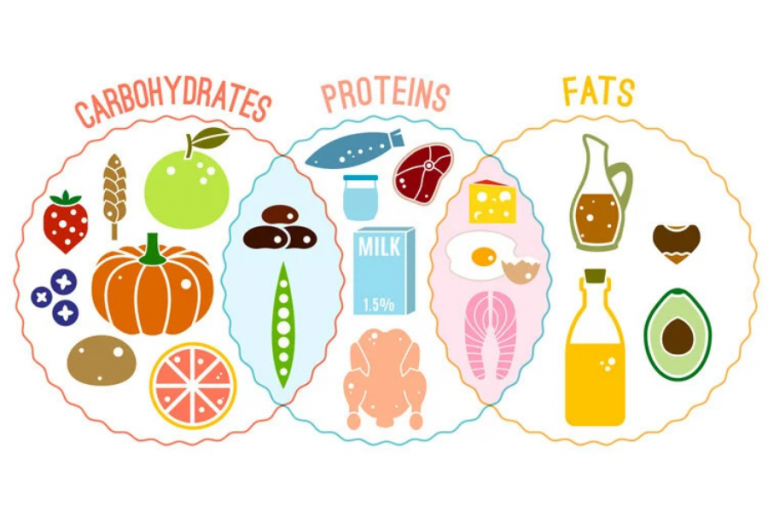
Finally, remember that exercise is just one half of a healthy lifestyle. Pairing the best fitness routine with a balanced diet, enough sleep, and stress management will give you better results than training alone.
Turn your plan into a habit
You do not have to overhaul your life in a single week. You can start by walking more, adding one or two strength sessions, and dedicating a few minutes to stretching at night.
If you want more structure, you might explore beginner friendly programs from trusted sources that include no equipment strength workouts, mobility sessions, and intro to HIIT routines. Use them as templates and tweak them until they fit your schedule and preferences.
As you gain confidence and strength, you can refine your plan. Add a swimming session, try a Pilates class, or increase your lifting volume if muscle gain is your focus. The best fitness routine for you is the one you will follow consistently, that feels good in your body, and that moves you steadily toward the version of yourself you want to become.
About the Author