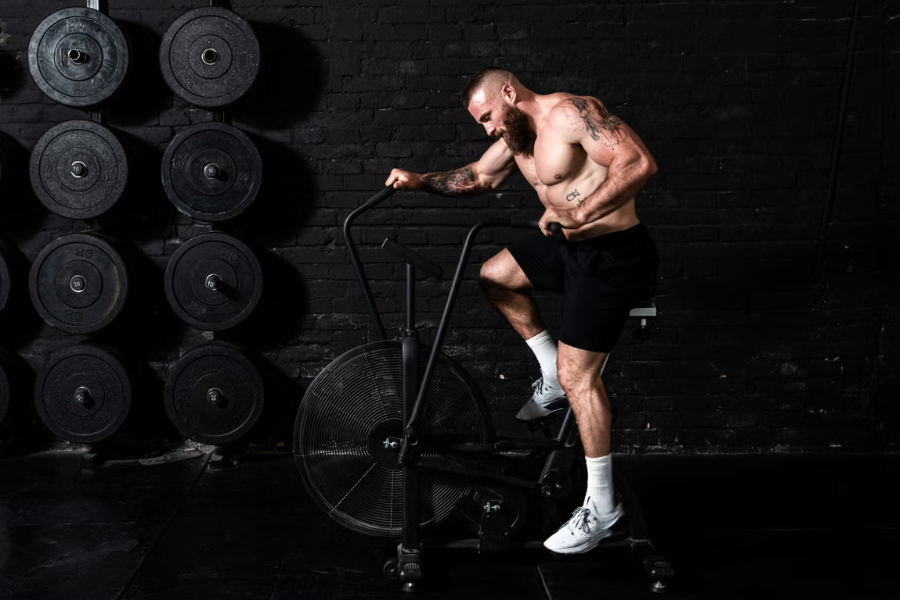
You already know exercise bikes are a staple of home and gym workouts, but have you explored all the ways they can strengthen your body? The best exercise bike workouts let you dial up the intensity, boost your stamina, and build muscular endurance, all while offering a low-impact option that’s gentle on your joints.
Whether you’re brand-new to indoor cycling or looking to add variety to your routine, you can easily tailor an exercise bike session to match your fitness goals. Below, you’ll discover how to get comfortable on your bike, target specific training zones, and combine techniques for total-body results.
Know your exercise bike
Before diving into more advanced routines, take time to get familiar with your bike’s features. Proper seat height, for example, keeps your hips aligned, prevents discomfort, and maximizes pedal stroke efficiency. You’ll also want to position the handlebars in a way that supports your upper body without forcing you to hunch.
Most exercise bikes have multiple resistance levels that simulate anything from a flat road to a steep climb. Play around with these levels so you understand how they feel on your legs. The better you know your bike’s settings, the easier it is to control your workout intensity and avoid plateauing. Even simple adjustments, such as increasing resistance in small increments, help you adapt and progress at a steady rate.
Also pay attention to your posture. Keep your back straight, shoulders relaxed, and core lightly engaged. This balanced form distributes strain properly and reduces the risk of lower back pain. Once you feel comfortable, you’re ready to explore the following training styles.
Master interval training
Interval workouts are an efficient way to boost cardiovascular health because they alternate short bursts of high-intensity effort with periods of active recovery. You work at near-maximal capacity, then dial back to a moderate tempo while your heart rate recovers. This pattern improves your body’s ability to handle sudden, demanding efforts.
To get started, warm up for five minutes at low resistance. Then ramp up your pedaling speed for 20 to 30 seconds, pushing yourself to a level that feels challenging yet sustainable. Drop to a gentle pace for one minute until your breathing steadies, and repeat this pattern for eight to ten rounds. If your legs become too fatigued too quickly, try shortening the sprint portion to 15 seconds or lowering the resistance one notch.
Interval training can be adapted to match your experience level. As you grow stronger, you’ll handle more intense sprints or extend your periods of maximum effort. Over time, you’ll notice improved aerobic capacity and an elevated metabolic rate that continues to burn calories long after you hop off the bike.
Tackle challenging hill climbs
Nothing tests your lower-body strength quite like simulating a long climb. Crank up your bike’s resistance until you feel like you’re pedaling uphill, and focus on driving through your heels to power each stroke. This type of workout engages the quads, hamstrings, and glutes, giving you a well-rounded leg session and targeting stabilizer muscles that help with balance.
Aim for segments of sustained hill work lasting two to three minutes. During each climb, maintain a controlled cadence and keep your core tight. If you find yourself restless or straining your back, lower the resistance slightly or stand up in the saddle for a short burst of relief. Interspersing lighter recovery intervals between hills ensures you’ll maintain form without sacrificing intensity.
Hill climbs may feel daunting at first, but they’re fantastic for building muscular endurance. Sticking to a steady climb routine helps you handle heavier resistance, making everyday tasks—like carrying groceries or taking the stairs—much easier on your legs.
Improve endurance with steady-state rides
Steady-state workouts involve cycling at a moderate pace for an extended period, typically 20 to 40 minutes. Although they might not deliver the same adrenaline rush as sprints or hill climbs, these sessions help you develop aerobic base fitness and stamina. They also allow your muscles to work at a moderate intensity for a longer stretch, a useful approach if you tend to fatigue quickly during higher-intensity intervals.
For a steady-state session, pick a moderate resistance that challenges you without pushing you into a sprint-like effort. You should be able to hold a conversation, though it may become slightly labored as the ride continues. Because the pace is more relaxed, these rides can be your go-to choice on days when you want to log consistent workout time without excessive strain.
As your endurance improves, extend the length of your sessions by a few minutes each week. By gradually increasing your workout time, you’ll boost your cardiovascular health, improve energy for other exercises, and see sustained progress without risking burnout.
Recover with low-impact sessions
Not every workout should leave you breathless. Low-impact recovery rides help loosen tired muscles, promote blood flow, and alleviate stiffness in your joints. If you typically go hard, dedicating a session to gentle pedaling allows your body and mind a chance to recharge.
Try a 15- to 20-minute recovery ride the day after an intense workout. Keep the resistance low—just enough to add mild pressure to each pedal stroke. Pay attention to your body’s signals; if you notice any lingering soreness, give yourself permission to slow your pace. Recovery days are the perfect opportunity to practice proper form, focus on smooth cycling, and mentally prepare for your next tougher session.
During this downtime, you can also incorporate deeper breathing or light stretching. Taking these small steps maintains flexibility and helps you bounce back strong. Remember, consistent improvement depends on balancing hard efforts with intentional rest.
Combine workouts for long-term progress
For optimal results, rotate through different styles instead of sticking to a single routine. By mixing high-intensity intervals, hill climbs, steady-state rides, and recovery sessions, you engage multiple energy systems and muscle fibers in your legs. This variation prevents boredom, tackles distinct fitness goals, and keeps your progress moving forward.
Below is a quick reference table to help you plan your weekly schedule:
| Workout style | Suggested duration | Intensity | Ideal for |
|---|---|---|---|
| Interval training | 15–20 minutes | High bursts | Speed, power, calorie burn |
| Hill climbs | 20–25 minutes | Medium-high | Leg strength, endurance |
| Steady-state ride | 20–40 minutes | Moderate | Aerobic base, cardiovascular |
| Recovery session | 15–20 minutes | Low | Active rest, muscle relaxation |
Feel free to reorder them based on how much time you have and how your body feels on a given day. Some people enjoy starting the week with intervals, then sprinkling in hill climbs or steady-state sessions before winding down with a lighter ride toward the weekend. Others might alternate short, intense intervals with relaxing recovery days to stay motivated.
As you refine your schedule, track your progress over a few weeks. Notice your pedal speed for intervals or see how many minutes you can sustain a hill climb without losing form. Celebrate each milestone—from riding longer without fatigue to feeling less winded after your sprints—because these small victories often fuel your determination to keep going.
Keeping your workouts varied and purposeful is key to sustaining fitness gains. When you combine these proven methods, you’ll find you can cycle longer, recover more quickly, and challenge yourself in new ways. And who knows—you might even discover that what began as a home workout quickly becomes a favorite fitness habit you look forward to each week.
Consider these workouts an evolving journey rather than a one-and-done effort. Set goals, tweak your schedule, and stay consistent. Soon, you’ll notice stronger legs, improved cardio capacity, and a sense of confidence every time you hop onto the saddle.
With each ride, you’re building a better, healthier you. So adjust that seat height, choose your next routine, and pedal toward the results you want. By mixing up your weekly plan, you’ll never run out of fresh ways to stay engaged and keep your body guessing—which is exactly how progress thrives.
About the Author