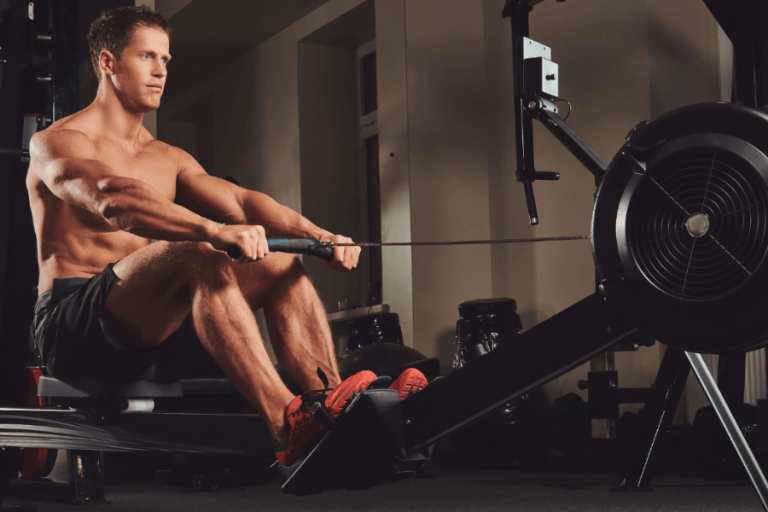
A strong, stable core does much more than help you see abs in the mirror. The best core exercises for men support everything from your posture and lifting power to how comfortably you move through your day. When your core is solid, you feel more confident walking into the gym, playing sports, or just carrying groceries up the stairs.
Below, you will find a practical guide to the most effective core moves, how to combine them into a simple routine, and what to do if your main goal is reducing belly fat.
Why your core matters more than you think
Your core is not just a six pack. It includes the muscles that wrap around your torso from your neck to your pelvis. That means your abdominals, obliques, lower back muscles, hip flexors, and even parts of your glutes are involved.
When these muscles work well together, you benefit in several ways. A strong core improves your balance, stability, and overall athleticism, which helps with lifting, running, and any sport that involves twisting or changing direction. It also supports your spine and pelvis so you can bend, lift, and twist with less risk of injury.
Fitness experts note that training your core makes everyday life easier and safer. It supports better posture, can enhance muscle growth elsewhere, and improves performance in big compound lifts like squats and deadlifts because your torso can brace effectively under load.
Core training vs ab training
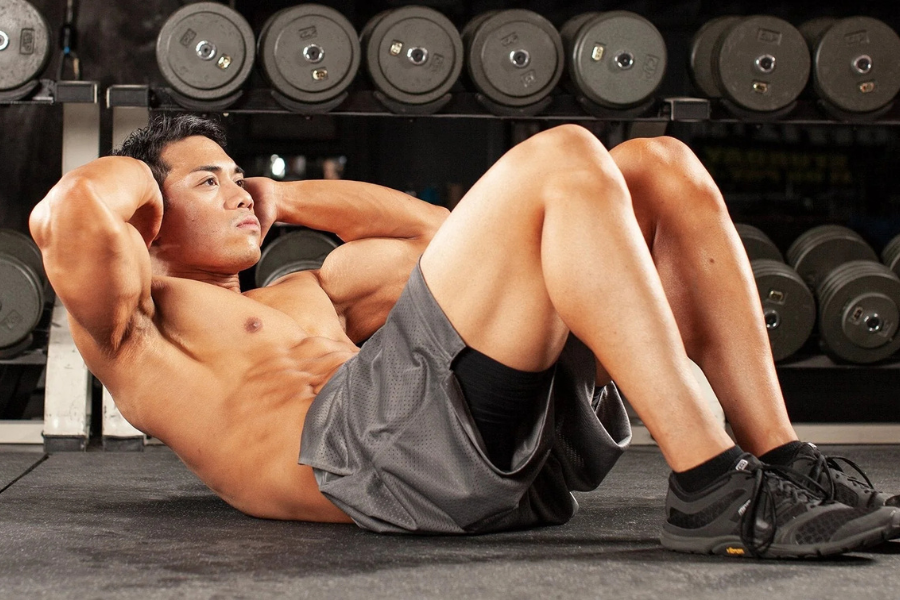
You might be used to thinking of core days as endless crunches and situps. Those focus mostly on the front of your abs. Effective core training, however, works the entire midsection, including your lower back and glutes.
This matters because your core has two main jobs. One is movement, like bending and rotating. The other is bracing, which is when your core stiffens to protect your spine during heavy or sudden effort. The best core exercises for men train both of these functions so you get strength, stability, and control from every angle.
When you build your routine, aim for a mix of front core moves, rotational exercises, and posterior chain work for the back of your body. This approach helps you perform better and reduces the chance of nagging back pain.
Foundational core exercises you should master
Start with a few reliable, beginner friendly moves that give you a lot of return for your effort. These are the exercises you will come back to again and again.
Plank
The plank is one of the most efficient core exercises you can do. It engages nearly the entire midsection, especially the upper and lower abs, plus your glutes, quads, and shoulders. It also teaches you how to brace, which is a key job of the core.
To do it, set up on your forearms and toes with your body in a straight line from head to heels. Keep your gaze slightly ahead of your hands and pull your belly button gently toward your spine. Avoid letting your hips sag or spike up.
For strength gains, aim for 4 sets of 30 seconds to 1 minute with good form. If your hips start to drop or your lower back feels strained, end the set and rest.
Glute bridge
The glute bridge might not look like a traditional ab move, yet it is critical for a strong core. It targets your glutes and lower back, which support your spine and help protect against injuries.
Lie on your back with your knees bent and feet flat on the floor, hip width apart. Brace your core and squeeze your glutes, then lift your hips until your body forms a straight line from shoulders to knees. Pause at the top, then lower with control.
This exercise is especially valuable if you sit a lot during the day. Stronger glutes and a more active posterior chain help balance all the front loaded work you do in other exercises.
Dead bug
The dead bug is a controlled movement drill that trains your abs to stay braced while your arms and legs move. It is a great choice if you want to strengthen your core without stressing your lower back.
Lie on your back with your arms extended toward the ceiling and your hips and knees bent at 90 degrees. Press your lower back gently into the floor. Slowly lower your right arm and left leg toward the floor while keeping your back flat, then return to the starting position and switch sides.
Move slowly and focus on maintaining contact between your lower back and the ground. If your back starts to arch, shorten the range of motion.
Try this quick progression: plank, glute bridge, and dead bug in a circuit for 30 to 45 seconds each, with 15 seconds of rest, for 2 to 3 rounds. This already hits most of your core.
Powerful ab moves for strength and definition
Once you are comfortable with the basics, you can add more challenging exercises that target your abs directly and build muscle.
Flutter kicks
Flutter kicks focus on the upper and lower abs, obliques, and inner thighs. They originally appeared in Navy SEAL style training and are known for building endurance through sustained tension.
Lie on your back with your hands at your sides or under your hips for support. Lift your legs a few inches off the floor, brace your core, and alternate small, rapid up and down kicks. Keep your lower back pressed into the floor and avoid holding your breath.
Use flutter kicks toward the middle or end of your core session, working for 20 to 40 seconds at a time. If you feel strain in your lower back, raise your legs slightly higher to reduce the stress.
Russian twists
Russian twists train your rotational core muscles and stabilizers. They are easy to scale up or down based on your fitness level, which makes them one of the best core exercises for men who want a versatile movement.
Sit on the floor with your knees bent and heels lightly touching the ground. Lean back a little to create tension in your abs. Clasp your hands together or hold a light weight. Rotate your torso to the right, bringing your hands beside your hip, then twist to the left.
You can increase the difficulty by lifting your feet off the floor or using a heavier weight. Be mindful of your lower back and shoulders. Move with control instead of swinging quickly from side to side.
Dumbbell situp to overhead reach
Traditional situps can lose their impact once you adapt to them. Adding a dumbbell creates progressive overload, which encourages muscle growth and makes your abs work harder.
Lie on your back with your knees bent and feet anchored or flat on the floor. Hold a light dumbbell against your chest. Sit up, then press the dumbbell overhead at the top of the movement. Lower the weight back to your chest as you roll down slowly.
Work for 3 to 4 sets of 30 seconds on and 30 seconds off. Start with a lighter weight than you think you need so you can focus on form, then increase the load gradually.
Essential exercises for a balanced core
If you only train the front of your body, you risk creating imbalances. Including anti rotation and back focused moves keeps your spine healthy and your performance high.
Superman hold
The Superman hold targets your lower back, glutes, lats, and shoulders. These muscles are often neglected compared to the front abs, yet they are crucial for a balanced core.
Lie face down with your arms extended in front of you and your legs straight. Squeeze your glutes and lower back, then lift your arms, chest, and legs a few inches off the floor. Hold the position briefly, then lower with control.
Use the Superman hold to complement plank variations. Together, they cover both the front and back of your core so your body can handle stress from every direction.
Pallof press
The Pallof press looks simple, but it is one of the most effective core exercises for teaching your muscles to resist rotation. This is helpful for sports and heavy lifting where your torso must stay stable while your limbs move.
Attach a band or cable at chest height. Stand sideways to the anchor point and hold the handle with both hands at your chest. Step away until there is tension in the band. Press your hands straight out in front of you, pause, then bring them back to your chest.
You will feel the band trying to pull you toward the anchor. Your job is to keep your torso facing forward without twisting. Try 3 sets of 8 reps per side, focusing on slow, controlled presses.
Hollow hold
The hollow hold is a basic gymnastics drill that builds serious core strength and improves your posture. It trains your abs to stay tight while your arms and legs extend away from your center.
Lie on your back with your arms overhead and your legs straight. Press your lower back into the floor. Lift your head, shoulders, and legs a few inches off the ground so your body forms a shallow curve. Hold this position while breathing steadily.
Aim for 3 to 4 rounds of 45 seconds to 1 minute. If this feels too intense, bend your knees or bring your arms down by your sides to make the move more manageable.
A simple 7 minute beginner core workout
If you are just getting started, a short yet focused routine can help you build consistency without feeling overwhelmed. One beginner friendly approach, designed by NASM certified trainer Maricris Lapaix, revolves around five effective moves that you can perform almost anywhere.
The exercises are:
- Dead bug
- Glute bridge
- Bird dog
- Bear plank with knee taps
- Modified side plank
Perform each move for 30 to 45 seconds, followed by 15 seconds of rest. Aim to complete one full round, which takes about 7 minutes. As you get stronger, work up to 3 or 4 rounds on nonconsecutive days.
The bear plank with knee taps involves starting on your hands and knees, bracing your abs, then lifting your knees an inch off the floor while you alternate tapping them down. If your wrists feel uncomfortable, you can make fists instead of placing your palms flat. The modified side plank is done from your forearm and knee so you can build lateral core strength without needing advanced balance.
Can core exercises reduce belly fat?
You might hope that doing a lot of ab exercises will burn fat directly from your midsection. Evidence suggests it does not work that way. A review reported in Men’s Health UK explains that spot reduction, which is the idea of losing fat from one specific area through targeted exercises, is not supported by scientific studies.
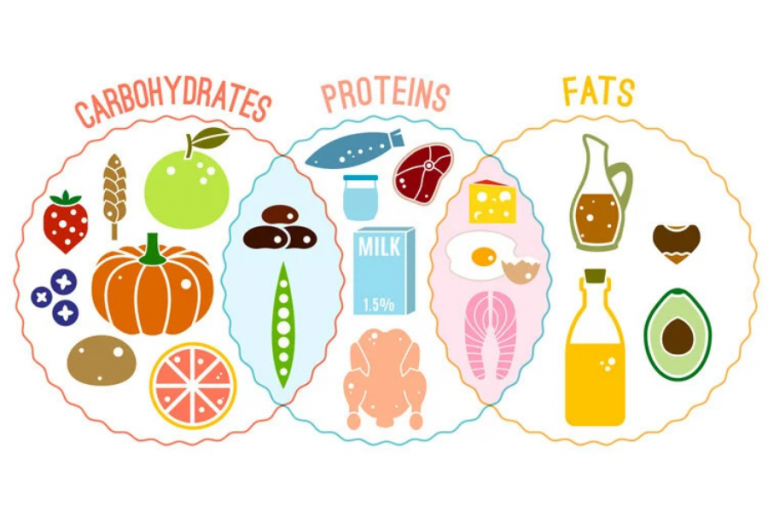
Core work does burn some calories and it builds muscle in your midsection. However, meaningful fat loss comes from an overall energy deficit created through your nutritional choices and consistent exercise. In practice, that means pairing your core training with strength work for the rest of your body, some form of cardio, and a way of eating that helps you stay in a slight calorie deficit you can maintain.
The good news is that as you lose fat overall, the muscle you have built with your core workouts will become more visible. Your body will also feel stronger and more coordinated throughout the entire process.
How to build your own core routine
You can create an effective core routine by combining 4 to 6 of the best core exercises for men and performing them 3 to 4 times per week. Rotate through front core, rotational, and back focused moves so you cover your whole midsection.
A simple example could look like this:
- Plank
- Glute bridge
- Russian twists
- Superman hold
- Pallof press
Perform each for 30 to 45 seconds with 15 to 20 seconds of rest, for 2 to 3 rounds. Adjust the time and number of rounds to match your current fitness level.
Pay attention to your form on every rep. Quality beats quantity, especially for core work. As your strength improves, you can increase hold times, add weight to movements like situps and Russian twists, or progress to more advanced exercises such as Turkish get ups or hanging leg raises.
Start with just a few of these moves in your next workout. As your core gets stronger, you will likely notice better posture, more power on lifts, and greater confidence in how your body moves every day.
About the Author