A quick online search for “apple cider vinegar for erectile dysfunction” turns up a lot of big promises. It is easy to hope that a simple drink you already have in your kitchen might fix ED quietly and quickly.
You deserve clear, honest information instead of hype. Below, you will see what science actually says about apple cider vinegar and erectile dysfunction, what it might help with, what it will not do, and what safer, proven options you can try.
What apple cider vinegar actually is
Apple cider vinegar (ACV) is made by fermenting crushed apples. During fermentation, natural sugars turn into alcohol and then into acetic acid, which gives vinegar its sour taste and strong smell. ACV also contains small amounts of vitamins, minerals, and plant compounds.
Some people use ACV for:
- Blood sugar control
- Weight management
- Cholesterol and blood pressure support
- Digestive health
These potential benefits are what make some people wonder if apple cider vinegar could also help with erectile dysfunction, since ED is often linked to blood flow, metabolism, and heart health. However, this is still a theory, not a proven treatment.
Can apple cider vinegar treat erectile dysfunction?
Right now, there are no scientific studies that directly test apple cider vinegar as a treatment for erectile dysfunction in humans. Health experts are clear that ACV is not a proven ED remedy and should not replace medical care or standard treatments for ED (Healthline).
Medical articles and reviews echo the same point. Researchers have looked at ACV for things like blood sugar and cholesterol, but not for erections themselves. So if you see bold claims that “ACV cures ED,” those claims are not backed by clinical trials (Medical News Today).
In short, you should not rely on apple cider vinegar as your main approach to erectile dysfunction, especially if you do not yet know what is causing your symptoms.
Why people link apple cider vinegar and ED
Even though ACV is not a proven ED treatment, there are some reasons people think it might help. Erectile function depends heavily on your blood vessels, hormones, nerves, and mental health. Several common medical issues can interfere with this system:
- Diabetes
- Obesity
- High blood pressure
- High cholesterol
- Cardiovascular disease
These conditions can damage blood vessels, including those that supply the penis, and can make it harder to get or keep an erection.
Some studies suggest apple cider vinegar may help improve certain metabolic and cardiovascular markers:
- ACV may modestly lower blood lipids and cholesterol in some people, which could support heart and blood vessel health over time (Medical News Today).
- Animal studies have found that ACV might reduce obesity related metabolic changes and slow oxidative stress in organs like the kidneys and liver, which are often affected in people with chronic conditions linked to ED (Medical News Today).
- ACV may improve insulin sensitivity and help with blood sugar control in some situations, although a review in 2016 found that evidence for improving diabetes symptoms is not strong and potential risks may outweigh benefits for some patients (Medical News Today).
More recent medical reviews note that apple cider vinegar could modestly improve factors such as insulin sensitivity, weight, and blood pressure, all of which have ties to ED. It might also theoretically support vascular function and nitric oxide production in blood vessels, which matters for erections, but this has not been proven in humans (Ubie Health).
So the logic goes like this: if ACV helps conditions that increase ED risk, maybe it will also help erections. The problem is that “maybe” is not the same as real evidence. You can think of ACV as a possible supporting player in overall health, not as a direct fix for erectile dysfunction.
Potential benefits for underlying health issues
You may still wonder if apple cider vinegar has any place at all in an ED plan. It might, but indirectly and with realistic expectations. ACV seems most promising for some people as a small part of a broader lifestyle approach.
Blood sugar and insulin
Uncontrolled blood sugar and diabetes can damage nerves and blood vessels that affect erections. Some research suggests ACV can reduce blood glucose spikes after meals and improve insulin sensitivity in certain situations. However, the overall evidence is mixed, and a 2016 review found no clear proof that ACV improves diabetes symptoms long term, especially when compared with standard medical care (Medical News Today).
If you already have diabetes or prediabetes, you should never swap your prescribed treatment for apple cider vinegar.
Cholesterol and heart health
Since ED can be an early warning sign of cardiovascular disease, protecting your heart is one of the best ways to protect your erections. Some animal and small human studies suggest ACV may lower blood lipids and total cholesterol, which could, in theory, support better vascular health and less severe ED over time (Medical News Today).
Again, the key phrase is “in theory.” These findings do not prove that ACV will improve your erections, but they hint that it might play a small supportive role if you are also making bigger lifestyle changes.
Weight management and metabolism
Obesity is strongly linked with ED, partly because it worsens blood pressure, blood sugar, and inflammation. Studies in animals show that apple cider vinegar may improve obesity related metabolic changes and slow oxidative stress in certain organs (Medical News Today).
In people, ACV might help a bit with appetite or weight, but it is nowhere near as powerful as changes in diet quality, calorie balance, and exercise. At best, it could be a minor tool in a much larger toolbox.
Risks and side effects you should know
Because apple cider vinegar feels “natural,” it is easy to assume it is safe for everyone. That is not always true, especially in higher doses or if you already take medication.
Reported side effects include:
- Stomach discomfort or digestive upset
- Erosion of tooth enamel over time
- Throat and esophageal irritation
- Low potassium levels in rare cases
- Interactions with certain medications, such as diuretics and insulin (Healthline)
In one report, taking 2 tablespoons of ACV daily for eight weeks was linked to measurable tooth enamel erosion (Healthline). That is why many experts recommend using only diluted ACV, such as 1 to 2 tablespoons in a large glass of water, and not sipping it all day long (Ubie Health).
If you are on medications for blood pressure, diabetes, or heart failure, or if you take diuretics, talk with your doctor before adding daily apple cider vinegar. The combination can sometimes lower potassium or blood sugar more than expected, which can be dangerous.
How to use apple cider vinegar more safely
If you still want to try apple cider vinegar as part of a broader health plan, focus on safety and reasonable expectations.
You might:
- Dilute 1 to 2 tablespoons in a large glass of water
- Drink it with a meal instead of on an empty stomach
- Rinse your mouth with plain water afterward and avoid brushing for 30 minutes to protect tooth enamel
- Avoid undiluted ACV shots, especially if you have a sensitive stomach or throat
- Start with a small amount a few times a week instead of daily, and see how your body reacts
Doctors who review the research emphasize that ACV usually has few side effects for most men at modest doses, but you still should speak with a healthcare professional before using it regularly, particularly if you have chronic conditions or take prescription medication (Medical News Today).
Evidence based alternatives that work better
If your main goal is to improve erectile function, there are options with much stronger evidence than apple cider vinegar.
According to medical reviews, safer and more effective approaches include (Ubie Health):
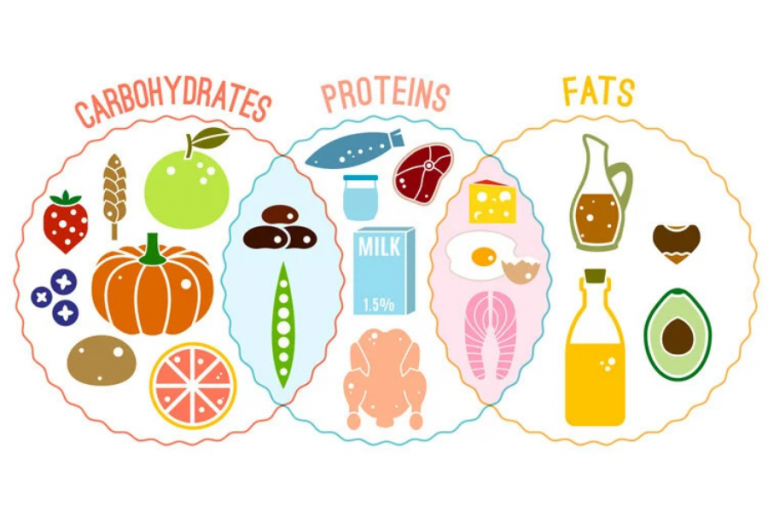
- A heart healthy diet that is rich in fruits, vegetables, whole grains, lean proteins, and healthy fats
- Regular physical activity, including both cardio and strength training
- Weight management if you have overweight or obesity
- Blood sugar and blood pressure control, with medicines if needed
- Quitting smoking and limiting alcohol
- Managing stress, anxiety, and depression, possibly with counseling
- FDA approved ED medications when appropriate, such as sildenafil and similar drugs, prescribed by your doctor
These strategies do more than target erections. They help protect your brain, heart, and long term energy levels. Erectile dysfunction is often one piece of a bigger health puzzle, and working on that bigger picture usually gives the best results.
When to see a doctor about ED
It can be tempting to stick with home remedies, especially for something as personal as erectile dysfunction. Still, medical advice is important for more than just your sex life.
ED can be an early warning sign of cardiovascular disease, diabetes, or hormonal problems. Health experts strongly recommend getting evaluated rather than relying on unproven supplements like apple cider vinegar (Ubie Health).
You should contact a healthcare provider if:
- You notice frequent or worsening trouble getting or maintaining an erection
- You have ED along with chest pain, shortness of breath, or leg pain when walking
- You already have diabetes, high blood pressure, or high cholesterol
- You experience side effects from ACV or any supplement you are taking
A doctor can help identify the root cause of your ED and work with you on a plan that may include lab tests, lifestyle changes, medication, or referrals to a specialist.
Putting it all together
Apple cider vinegar for erectile dysfunction is a popular topic, but the science is straightforward. There are:
- No clinical trials that show ACV cures or directly improves ED in humans (Healthline, Medical News Today).
- Some early research suggesting ACV may support things like blood lipids, blood pressure, and metabolic health, which are linked to ED risk.
- Real side effects and potential interactions, especially with higher doses or long term use.
If you enjoy apple cider vinegar and tolerate it well, it might have a small supporting role in your health when used carefully and diluted. It should not, however, replace proven lifestyle changes, standard ED treatments, or a proper medical evaluation.
You do not have to figure this out alone. If ED is affecting your relationships, confidence, or quality of life, reaching out to a healthcare professional is a strong and practical next step.
About the Author