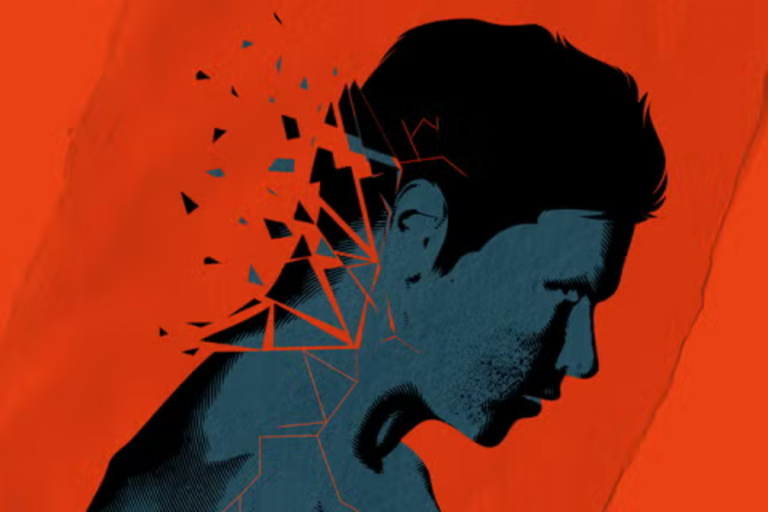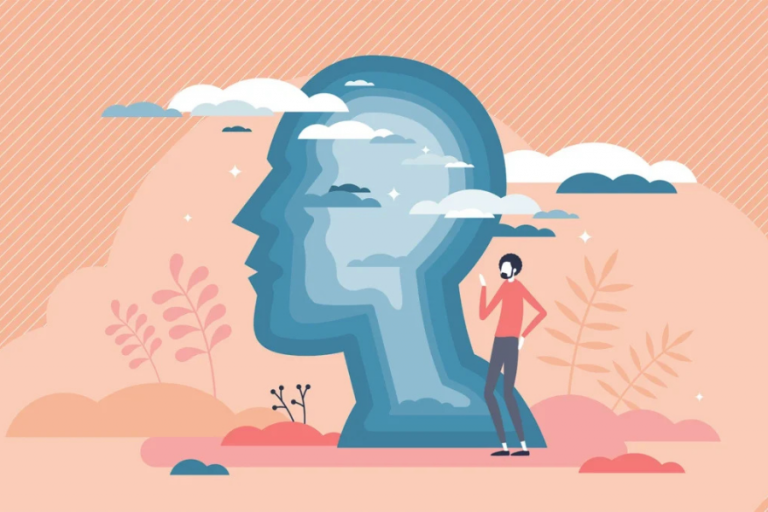
Anger can be a powerful emotion. If you are looking into anger management for men, you might already suspect that your anger is trying to tell you something. Instead of seeing it only as a flaw or a problem to fix, you can also treat it as a signal from your mind and body that something needs attention.
In this guide, you will explore what your anger might really mean, how it links to your mental health, and what you can do to respond in healthier ways.
Why men’s anger is treated differently
If you are a man, you have probably noticed that your anger tends to get a stronger reaction from others. Clinical psychologist Josh Gressel points out that men’s anger is often seen as more threatening because of deeper voices and greater physical strength. That can make people focus on how loud you are, not on why you feel what you feel.
At the same time, you might have grown up with messages like “man up,” “don’t be soft,” or “real men do not cry.” Traditional ideas of masculinity in places like the UK and US still praise strength, control, and stoicism. These expectations can make you less likely to open up or ask for help when something is wrong. Over time, that pressure can push a lot of different emotions underground, until anger is the only one that feels acceptable to show.
When anger becomes the main emotion that others see from you, it is easy for friends, partners, or even professionals to miss the mental health issues sitting underneath.
Anger as a cover for other feelings
For many men, anger is not the first emotion that shows up. It is the one on top.
Psychologists talk about a problem called alexithymia, which means difficulty identifying and naming what you feel. If you cannot easily tell the difference between sadness, shame, fear, disappointment, or hurt, they can all blend into one familiar response: anger.
You might notice this in situations like:
- Feeling criticized at work, then snapping at your partner that evening
- Feeling rejected in dating, then telling yourself you are “just annoyed” rather than hurt
- Feeling ashamed after a mistake, then getting furious when someone brings it up
In all of these cases, anger is the shield. Underneath, there is something more vulnerable that needs your attention. When you learn to recognize and name the full range of your emotions, your anger often becomes easier to manage because it is no longer doing all the work on its own.
Think of anger not as the problem, but as the high-volume alarm that goes off when something inside you has been ignored for too long.
When anger is a sign of mental health struggles
Anger is not always a sign of poor mental health. Sometimes you are simply reacting to injustice or crossed boundaries. However, ongoing anger and irritability can be clues that something deeper is happening.
Hidden depression and anxiety
Research suggests that some men cope with depression by “acting out” through anger or irritability, especially when stress or shame are involved. You might not feel sad in the way you expect depression to feel. Instead, you might notice:
- Frequent irritability over small things
- Feeling flat and empty, then easily snapping at others
- Low motivation mixed with sudden bursts of rage
Anxiety can also show up as anger. A therapy practice in Michigan notes that many men experience anxiety as frustration, anger, or aggression rather than obvious fear. Your stress response might lean more toward “fight” than “flight,” especially when cortisol and adrenaline are high. That can make you lash out when you actually feel overwhelmed, unsafe, or out of control.
The cost of chronic anger
If your anger is often intense or long lasting, it can affect your body as well as your mind. Repeated “fight” responses raise your heart rate, tighten your muscles, and flood your system with stress hormones like cortisol. Over years, chronic anger and stress have been linked with higher risks of coronary heart disease and type 2 diabetes.
The Mayo Clinic also notes that uncontrolled anger can damage your relationships and overall well-being, not just your physical health. You might see this through frequent arguments, loved ones keeping their distance, or regret after saying things you did not mean.
If any of that sounds familiar, your anger is not just an inconvenience. It is a mental health signal that deserves serious attention.
What happens in your body when you are angry
Understanding what is happening in your brain and body can make anger feel less mysterious and more manageable.
When something triggers you, your amygdala, the part of your brain that scans for danger, sounds the alarm. Your body releases adrenaline and cortisol. Your heart rate speeds up, your breathing turns shallow, and your muscles tense. You might feel hot, your face may flush, and your jaw may clench. These changes evolved to prepare you for physical combat, but now they can fire up in response to a work email or a partner’s comment.
At the same time, the prefrontal cortex, the part of your brain that handles logic and long term thinking, becomes less active. Clinical psychologist Daniel Glazer notes that genetic or biological differences, including how your serotonin system works, can make it harder for this part of your brain to regulate the emotional surge from your amygdala.
In practice, this means:
- You are more impulsive in the moment
- You struggle to see the other person’s perspective
- You find it hard to think through consequences
This is why one of the simplest anger management strategies is to step away from the situation until your body calms down. When your heart rate and breathing settle, your thinking brain can come back online.
Healthy anger vs harmful anger
Anger is not always bad. In fact, a Texas A&M University study found that anger, when managed well, can push you to put more effort into your goals. Emotions exist to alert you to important situations that need action.
Healthy anger might look like:
- Feeling a spark of anger when your boundary is crossed
- Using that energy to speak up clearly and respectfully
- Making a plan to change something that is not working in your life
Harmful anger looks different. It often involves:
- Explosive outbursts or verbal abuse
- Physical aggression or breaking objects
- Silent treatment, sulking, or long periods of resentment
- Saying or doing things you later regret
If you frequently feel out of control, or if people around you seem afraid or exhausted by your anger, it is time to treat anger management as mental health care, not just behavior control.
Practical anger management tools you can use today
You do not have to wait until you “feel calm” to start changing how you respond. You can build skills that help you handle anger in the moment and reduce how often it takes over.
1. Use your body to calm your mind
Because anger is a physical state, the fastest way to shift it is often through your body.
The Mayo Clinic recommends several simple strategies:
- Move your body. A brisk walk, run, or workout helps burn off stress hormones that are fueling your anger.
- Take a timeout. Step away from the argument, go to another room, or simply pause the conversation. Even a few minutes can lower your arousal.
Relaxation based techniques also help you engage your parasympathetic nervous system, the part that calms you down. One practical method is the “7/11 breathing technique” described by therapist Andrew Tyrrell. Breathe in through your nose for a count of 7, then slowly out through your mouth for a count of 11. Repeat several times. Longer exhales signal to your body that it is safe to relax.
2. Change how you communicate when you are angry
The words you choose when you are angry can either inflame the situation or help resolve it.
The Mayo Clinic suggests using “I” statements. For example, instead of saying “You never help around here,” you might say, “I am upset that you left the table without offering to help.” This approach lowers blame, makes it easier for the other person to listen, and keeps the focus on your experience, not their character.
You can also slow yourself down by:
- Describing the problem, not attacking the person
- Sticking to one issue at a time instead of bringing up every past mistake
- Asking for a specific change rather than just venting
These small shifts can make conflicts feel more manageable and less explosive.
3. Notice what sits under your anger
Norman Cotterell, PhD, describes a seven step approach to anger that includes identifying your “hot thoughts” and the “should” rules you feel others are breaking. You can adapt a simpler version for everyday use:
- Ask yourself, “What am I really feeling besides anger?”
- Look for emotions like hurt, fear, shame, or disappointment.
- Ask, “What story am I telling myself about this?”
- Notice any rigid rules, such as “People should always respect me” or “I must never be criticized.”
When you see the deeper feeling and the story behind your anger, you have more choices about how to respond. You can decide whether your expectation is realistic and what you want to do about the situation, instead of automatically escalating.
How therapy can support anger management for men
You do not have to figure this out on your own. Anger management therapy exists specifically to help you understand and change your patterns.
Why CBT is often the first choice
Cognitive Behavioral Therapy (CBT) is one of the most researched approaches for anger management. A meta analysis of 50 studies with 1,640 participants found that about 76 percent of people who received CBT had better outcomes than those who did not get treatment. CBT looks at the links between your thoughts, feelings, body sensations, and actions. In anger work, that means:
- Identifying triggers and early warning signs in your body
- Challenging unhelpful thoughts that fire you up
- Practicing new ways of responding in stressful situations
Over time, you build a toolkit that you can use both in and out of therapy.
Tailored support for men
Good mental health services for men try to use language and approaches that fit with how you see yourself. That might involve:
- Focusing on practical skills and action
- Normalizing anger instead of shaming you for it
- Creating a space where you can talk about vulnerability at your own pace
Some therapists also use trauma informed techniques like EMDR or somatic therapy to work with anger that is tied to past experiences. These methods help your nervous system process old stress so it has less fuel for present day explosions.
If your anger feels uncontrollable, leads you to hurt people you care about, or leaves you with deep regret, the Mayo Clinic strongly recommends getting professional help. Reaching out is not a sign of weakness. It is a sign that you are taking responsibility for your health and your relationships.
Turning anger into a tool for growth
Anger management for men is not about becoming passive or never raising your voice again. It is about learning to listen to what your anger is trying to tell you, then choosing a response that lines up with the man you want to be.
You might start small:
- Take one timeout this week when you feel your temper rising
- Try the 7/11 breathing technique the next time you are stuck in traffic or in a tense meeting
- Practice one “I” statement in your next difficult conversation
Over time, these simple steps help you move from being controlled by your anger to using your anger as useful information. You give yourself the chance to protect what matters, repair what is damaged, and build a life where you feel both strong and emotionally grounded.
About the Author