Aging changes many parts of your body, and your sexual health is one of them. Understanding the link between age and sexual health in men can help you stay confident, get ahead of problems, and know when it is time to talk with a doctor instead of simply blaming “getting older.”
Sex does not have an expiration date. Many men remain sexually active and satisfied well into their 70s and 80s, especially when they take care of their health and get support when something feels off (Mayo Clinic). This guide walks you through what typically changes, what is not just “normal aging,” and what you can do about it.
How testosterone changes with age
Testosterone is a key hormone for your sexual health, energy, and muscle mass. You do not suddenly “lose” testosterone at a certain birthday. Instead, levels usually decline slowly over time.
According to specialists, testosterone often starts to dip around age 35 to 40 and continues to fall gradually, with more noticeable effects for many men in their 50s and beyond (ColumbiaDoctors, Medical News Today). The exact pattern is different for everyone.
You might notice:
- Less energy and stamina
- Reduced muscle mass or strength
- More abdominal fat
- Lower sex drive
- Erectile difficulties
Mood and thinking can shift too. Some men report irritability, low mood, anxiety, or “brain fog,” as well as less motivation and focus (ColumbiaDoctors). These changes can be subtle and are easy to overlook or brush off as stress or aging.
The tricky part is that normal aging and true low testosterone can look similar. That is why a proper evaluation usually involves repeated early morning testosterone tests plus a look at your overall health and medications, not just one quick lab result (ColumbiaDoctors).
What happens to erections as you age
Erections are the result of nerve signals, blood flow, hormones, and mental arousal all working together. As you get older, that system is more likely to be influenced by other health conditions.
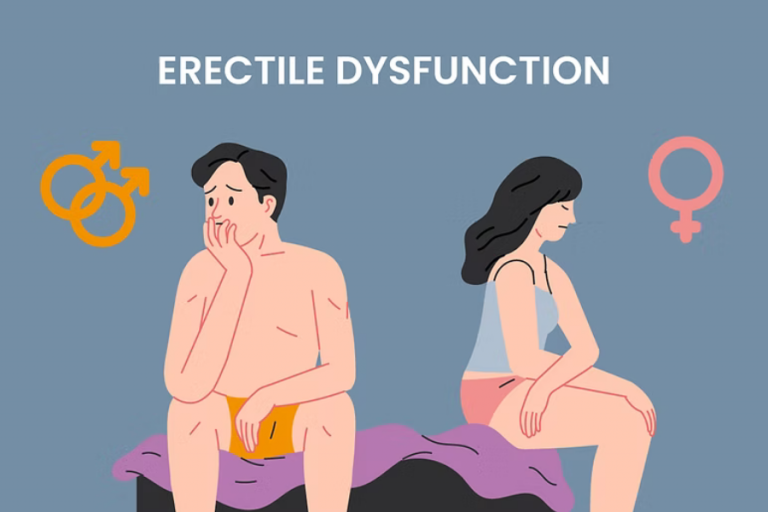
Erectile dysfunction, or ED, becomes more common with age, but aging alone is not usually the cause. Research suggests that around 90 percent of ED cases are linked to medical issues or medications rather than age itself (MedlinePlus). These can include heart disease, high blood pressure, diabetes, obesity, depression, or side effects from drugs like some blood pressure pills and antidepressants.
Large studies have found that more than half of men between 40 and 70 have some degree of ED, and the severity tends to increase with age, especially in men with multiple health problems like hypertension, vascular disease, or low testosterone (NCBI). By age 70 and older, about 70 percent of men say they are sometimes or never able to get an erection firm enough for intercourse (Healthline).
The good news is that most causes of ED are treatable. First line treatment for many men is a group of medications called PDE5 inhibitors, such as sildenafil and tadalafil. These drugs relax blood vessels and improve blood flow to the penis, and are considered generally safe, including for many men with cardiovascular conditions, as long as they are not taking nitrates for chest pain (Medical News Today, Healthline).
If oral medications do not work or are not safe for you, other options include self injections like alprostadil, which have high satisfaction rates in older men, and in some cases penile implants, which are usually considered when less invasive treatments have failed (Healthline).
If your erections have changed, the key takeaway is this:
ED is very common, often linked to treatable health or medication issues, and not something you simply have to accept as “getting old.”
Changes in desire and arousal
Your sex drive, or libido, also tends to shift with age. It is natural to notice a gradual drop in sexual desire, and many men find that arousal takes a bit more time or direct stimulation than it used to (MedlinePlus, Mayo Clinic).
Most men still have at least some sexual interest into their 60s and 70s, but the intensity and frequency of desire may change (Mayo Clinic). Part of this is related to the slow decline in testosterone. However, other factors often play a bigger role:
- Depression or anxiety
- High stress or burnout
- Alcohol or drug use
- Fatigue and poor sleep
- Relationship strain or lack of a partner
- Health conditions and medications
In older age, especially after 80, lack of sexual desire is very common. One review found that over 80 percent of men 80 and older report low desire, and in some cases, working with a sex therapist can help you explore what is going on and find ways to improve satisfaction (Medical News Today).
If your sex drive seems unusually low for you, it is worth a medical checkup. Loss of libido can signal issues such as endocrine disorders, sleep apnea, major depression, or side effects of medications. Addressing those problems can sometimes restore both testosterone levels and desire (Mayo Clinic).
In some cases, if no reversible cause is found and your testosterone is consistently low, your doctor might discuss testosterone replacement therapy. TRT can improve sexual desire and erectile function for some men, but it needs careful supervision and is not appropriate if you have certain conditions or want to preserve fertility (ColumbiaDoctors, Mayo Clinic).
Orgasms, ejaculation, and fertility
Ejaculation and orgasm can change too as you age. These changes are often gradual and may feel surprising if you do not expect them.
Many older men notice:
- It takes longer to reach orgasm
- Orgasms feel less intense
- More time is needed between erections and orgasms
- Ejaculate volume may be lower
Studies suggest that delayed ejaculation and reduced orgasmic pleasure become more common in older men, although these issues are often tied to lifestyle, psychological factors, or other health conditions, not just age alone (NCBI).
Your reproductive system also changes. Testicular tissue can decrease, sperm production may slow, and testosterone levels gradually decline. This can affect erectile function, but most men do not lose sexual function altogether (MedlinePlus).
Fertility does decline with age, but usually slowly. Many men remain capable of fathering children at older ages, even though sperm quality and quantity are not what they were in youth. Prostate enlargement or even removal of the prostate does not automatically mean you become infertile, although it can impact ejaculation and sexual function in other ways (MedlinePlus).
If you are concerned about fertility or noticeable changes in your orgasms, a urologist or sexual health specialist can walk you through testing and options.
How medical and emotional health affect sex
One of the biggest influences on age and sexual health in men is overall health, not just hormones. Conditions that become more common as you get older can directly affect sexual function and desire.
These include:
- Heart disease and vascular disease, which limit blood flow to the penis
- High blood pressure and high cholesterol
- Diabetes, which affects blood vessels and nerves
- Kidney disease
- Prostate problems, such as benign prostatic hyperplasia or cancer
- Cancer and its treatments
- Depression and other mental health conditions
Many of the surgeries and medications used to treat these conditions can impact erections, orgasm, or libido as well. For example, some blood pressure drugs, antidepressants, and acid reducing medications are known to affect sexual function (Mayo Clinic).
Emotional life matters too. Stress about finances, caregiving, health worries, loneliness, or grief after losing a partner can all reduce your desire for sex. At the same time, some older couples report that their sex life actually improves with age, since they have more time, more privacy, and less concern about pregnancy (Mayo Clinic).
The bottom line: when something changes in your sex life, it is worth asking “what else is happening in my body and my life” rather than assuming it is only your age.
Practical ways to support sexual health as you age
You cannot stop the clock, but you can influence how aging affects your sexual health. Often, steps that protect your heart and brain also protect your erections, desire, and overall sexual satisfaction.
Here are focused actions you can take:
-
Prioritize your heart health
Since erections rely heavily on blood flow, managing blood pressure, cholesterol, and blood sugar can help you maintain sexual function. Regular exercise, a balanced diet, weight management, and not smoking are powerful tools and can improve energy and mood at the same time. -
Protect and improve your sleep
Sleep disorders, especially obstructive sleep apnea, can lower testosterone and harm libido. Treating sleep apnea has been shown to improve testosterone levels and sex drive in some men (Mayo Clinic). -
Talk openly with your doctor
If you notice changes in erections, desire, or orgasms, bring them up. Ask whether any of your medications might be contributing and what alternatives exist. Request a full evaluation rather than a quick fix. -
Consider timing and routine
Testosterone is often higher in the morning, particularly in younger and middle aged men. Some older men find that morning or early in the day works better than late night for sex. You might also need more direct stimulation and longer foreplay than before. This is normal, not a sign that something is wrong. -
Broaden your definition of sex
As your body changes, expanding your idea of what “counts” as sex can keep intimacy satisfying. Many experts encourage focusing on touch, kissing, manual and oral stimulation, and shared pleasure rather than only intercourse or erection centered sex (Mayo Clinic). -
Address mental health and relationship issues
If stress, depression, anxiety, or conflict with a partner is part of the picture, therapy can be an important part of improving sexual health. Sex therapists can also help you and your partner adapt to physical changes and find new ways to connect (Medical News Today). -
Ask about medical treatments when needed
If lifestyle changes are not enough, you and your doctor can discuss options like PDE5 inhibitors, testosterone replacement (when appropriate), or other targeted treatments. The goal is not just performance, but comfort and confidence.
When to seek help
You might want to talk with a health professional if:
- Your sex drive suddenly drops or disappears
- You consistently cannot get or keep an erection firm enough for sex
- Sex becomes painful or very uncomfortable
- You feel distressed, depressed, or anxious about your sexual changes
- Relationship tension around sex is growing
Try to see these signs as information, not failure. Many men wait years before asking for help, even though effective treatments and strategies are available.
Age will change your sexual health, but it does not have to end it. With the right information, medical support, and honest conversations, you can adapt to those changes and continue to have a sexual life that fits who you are now.
About the Author