A strong core does much more than sharpen your six pack. The right ab workouts for men help protect your spine, boost your lifting numbers, and improve how you move in everyday life. With a smart plan, you can build visible abs and a powerful core without living on the floor doing endless crunches.
Below, you will learn how often to train your abs, which exercises matter most, and how to combine training and nutrition so you actually reveal the muscles you are working so hard to build.
Understand what “ab workouts for men” really mean
When you think about ab workouts for men, you might immediately picture the front six pack. In reality, your core is a whole group of muscles that wrap around your midsection and support nearly every movement you make.
These include your rectus abdominis on the front, your obliques along the sides, your deep transverse abdominis, and the muscles of your lower back and glutes. Training all of them gives you the look you want and the strength you need.
A complete ab plan should cover four key functions of your core:
- Bracing, keeping your spine stable like a solid column
- Anti rotation, resisting twisting forces
- Rotation, controlling turns and twists
- Flexion, rounding the spine like when you do a crunch or situp
The most effective ab workouts for men touch each of these regularly.
How often you should train your abs
You do not need to hammer your abs every day to see results. In fact, daily ab sessions often lead to junk volume, which is work that tires you out but does not drive progress.
Exercise physiologist Jeremey DuVall recommends training your abs at least two to three times per week so you get effective results while allowing enough recovery. Advanced lifters or men who really want to prioritize ab growth can push that to three to six times per week, as long as you manage your total training stress and listen to your body.
Your core also works hard during heavy compound lifts like squats and deadlifts. Count those as indirect ab work and be careful about stacking intense direct ab sessions on top of hard leg or back days without rest.
As a simple rule, start with two or three focused ab workouts per week on non consecutive days. Once you are recovering well and progressing, you can add a short finisher to one or two more sessions if you want extra focus.
The four types of core moves you need
Instead of guessing your way through random ab circuits, organize your training around movement patterns. An ideal ab workout for men usually includes three to five exercises that cover these four types.
Bracing moves for rock solid stability
Bracing work teaches you to stiffen your torso and protect your spine. This pays off every time you pick something up, press overhead, or sprint.
The plank is a foundation exercise here. Four sets of 30 seconds to 1 minute will challenge your entire midsection. Keep your body in a straight line, squeeze your glutes, and do not let your lower back sag.
You can level up your bracing with moves like bird dogs, dead bugs, and wall planks. These teach you to stay stable while your arms and legs move, which looks a lot like real life and heavy lifting.
Anti rotation moves for real world strength
Anti rotation exercises make your core resist twisting forces. This is key for sports and for staying stable when you carry uneven loads like a suitcase or heavy grocery bag.
Pallof presses and wood chops are two of the best options. You stand tall and use a band or cable that tries to pull you into rotation. Your job is to keep your torso square while your arms move.
Side planks and Copenhagen planks are also powerful anti rotation tools. Four sets of 5 to 20 second holds per side will light up your obliques and help your hips feel more solid under heavy loads.
Rotation moves to sculpt your obliques
Once you can resist rotation, you can start to control it. Rotational moves help carve your obliques and build power through your torso.
Bicycle crunches are a standout choice. The American Council on Exercise ranks them as the best ab exercise because they strongly engage your obliques and deep transverse abdominis and they require no equipment, which makes them perfect for home or travel.
Other solid rotation options include seated Russian twists, windmills, and cable or band rotations. Focus on slow, controlled turns instead of flinging your upper body around. Your abs, not momentum, should drive the movement.
Flexion moves to carve the front abs
Flexion work directly targets the front of your midsection. Crunches and situps live here, along with hanging leg raises and v ups.
Classic crunches have a strong case. A study cited by the American Council on Exercise found that traditional crunches produced some of the greatest abdominal muscle activation compared to popular core tools like ab rollers or lounge style ab machines. That means you can get a lot of benefit from a simple move if you do it correctly.
Leg raises emphasize the lower portion of your abs and your hip flexors. You can start on the floor, then progress to incline benches and finally to hanging leg raises on a pull up bar. Hanging versions are among the hardest and most effective core moves you can do, especially if you slow down the lowering portion for two or three seconds to increase time under tension.
Sample ab workouts for different goals
You do not need a long menu of exercises. For most men, one to three moves per session and two to five different exercises spread across the week is ideal.
Here is a quick look at how you might structure ab workouts for different priorities.
| Goal | Frequency | Focus | Example session |
|---|---|---|---|
| General strength | 2x per week | Bracing, anti rotation | Plank, side plank, Pallof press |
| Six pack look | 3x per week | Flexion, rotation, weighted moves | Bicycle crunch, cable crunch, hanging leg raise |
| Athletic performance | 3 to 4x per week | All angles, dynamic control | Bird dog, wood chop, renegade row, leg raise |
For each workout, perform 2 to 4 sets of 10 to 15 reps on your main ab exercises. For timed holds, aim for 20 to 60 seconds. Once you can comfortably hit the high end of the rep or time range with perfect form, increase the challenge.
Use progressive overload to keep gaining
Your abs respond to training the same way your chest or legs do. If you do the same workout with the same weight and the same reps week after week, your body adapts and stops changing.
Progressive overload means you gradually increase the demand on your muscles. Trainer Gareth Sapstead, author of Ultimate Abs, notes that building and growing your abs requires you to track reps or weight and consistently nudge them up over time.
You can overload your ab workouts by:
- Adding reps while keeping form locked in
- Adding weight, for example a dumbbell during crunches or a cable attachment on kneeling crunches
- Slowing the eccentric, the lowering phase, for two or three seconds on movements like hanging leg raises
- Reducing rest time between sets once your quality is high
Weighted ab exercises are especially helpful. Moves like dumbbell situps to an overhead reach, cable crunches with hard 5 second holds, and loaded planks or farmer carries all create enough tension for real muscle growth.
Do not skip rest and recovery
Your core muscles need downtime just like any other body part. Rest is when your body repairs the tiny tears created during training and turns them into stronger fibers.
Aim for at least one full rest day per week where you do not lift or perform structured cardio. On this day, keep your movement light with activities like walking or easy stretching.
You should also avoid stacking brutal ab work every single day. Performing one to three focused ab workouts per week on non consecutive days is usually enough for most men. If you notice constant soreness, lower back discomfort, or declining performance, pull back your frequency or volume.
Train more than just your abs
If you only hammer crunches, you are missing a huge opportunity. A balanced core includes your lower back extensors and your glutes as well as your front and side abs. This fuller approach stabilizes your entire body and improves your athleticism.
Heavy compound lifts such as front squats, deadlifts, and overhead presses naturally demand a lot from your core. Including these in your program significantly engages your midsection and can enhance ab development better than isolated moves alone.
That said, relying only on big lifts is not enough. Your core has multiple jobs beyond just bracing. Adding targeted ab exercises like cable crunches, hanging leg raises, Pallof presses, wood chops, and windmills for two or three sets at the end of your main workouts will improve both definition and function.
Match your nutrition to your ab goals
If your goal is visible abs, training is only half the story. You can build strong abdominal muscles and still never see them clearly if a layer of fat covers the area.
For most men, getting defined abs means reducing body fat to roughly 6 to 13 percent. To move toward that range, you usually need a calorie deficit. Guidance from the Centers for Disease Control and Prevention suggests a daily deficit of about 500 to 750 calories to aim for a steady weight loss of 1 to 2 pounds per week.
A high protein intake helps you maintain or even gain lean muscle while you lose fat. Up to 1.6 grams of protein per kilogram of body weight per day can be useful for this, and some coaches recommend around 1 gram of protein per pound of body weight for men focused on muscle growth and recovery.
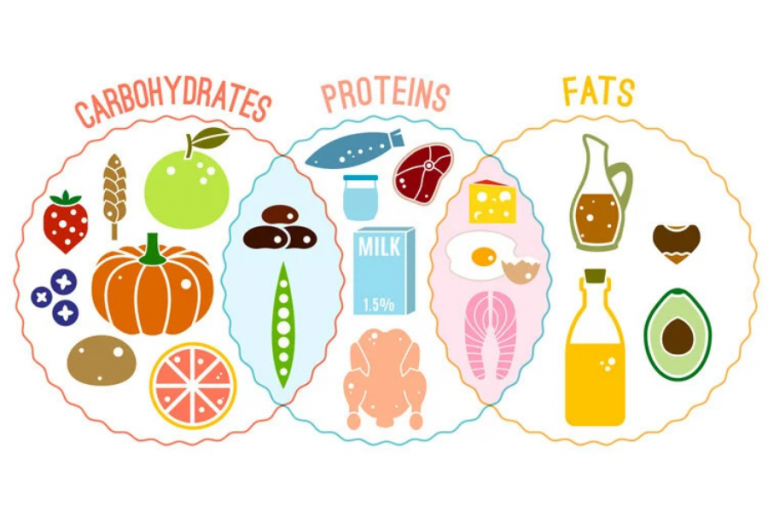
Build your meals around:
- Whole grains
- Fruits and vegetables
- Nuts and seeds
- Legumes
- Fatty fish like salmon or sardines
This type of diet supports fat loss and lean muscle gain, which both matter for ab definition.
On the activity side, a mix of resistance training and cardiovascular exercise is ideal for reducing body fat and increasing lean mass, including your rectus abdominis. You do not need endless high intensity intervals. Men’s Health experts recommend increasing your general daily movement by about 10 percent, for example with more walking or light physical activity, so you burn more each day without burning out.
Try a simple at home ab finisher
If you like quick, focused sessions, you can use a short at home finisher on days when you cannot get to the gym. Some of the best at home ab workouts use a method called Extinction Training.
You pick an exercise, perform the prescribed reps, rest 10 seconds, then repeat until you can no longer hit the target reps with good form. Only then do you move to the next exercise. In just 10 minutes, you can hit your abs from top to bottom.
A six part sequence might include: W Raise for lower abs, Black Widow knee slides for bottom up rotation, Butterfly situps for midrange, Seated Corkscrews for obliques, Levitation crunches for upper abs, and Situp elbow thrusts for top down rotation. Done consistently five or six days per week, a 10 minute routine like this can build real core strength without equipment.
Putting it all together
You do not need complicated gadgets or marathon sessions to build impressive abs. Focus your ab workouts for men on the key movement patterns, train them two or three times a week, and keep pushing the challenge through progressive overload.
At the same time, support your effort with smart nutrition and enough recovery. Over a few consistent months, you will likely notice not just sharper definition through your midsection but also better posture, stronger lifts, and more control in everything you do.
About the Author