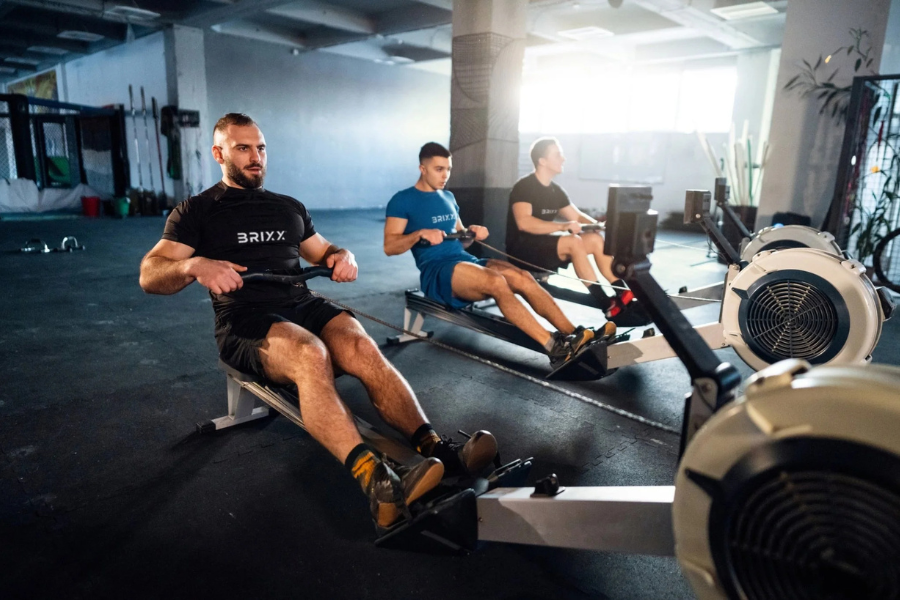
Unlock the power of rowing
Rowing HIIT workouts combine the low-impact nature of rowing with the high-intensity bursts you often see in sprint or circuit sessions. By alternating maximum-effort intervals with short rest periods, you’ll spark both cardiovascular endurance and muscle strength in a single session. The best part? Rowing engages nearly every major muscle group, which helps you burn calories more efficiently than isolated cardio routines.
You’ll also notice improvements in posture and core stability as you keep your torso upright and your core tight throughout the drive phase. This total-body activation can lead to faster fat loss and lean muscle gain. Whether you’re new to rowing or a seasoned athlete, mixing in HIIT intervals will take your workouts to a whole new level.
Set up your rowing machine
Before you jump into intervals, it’s important to feel comfortable with your rowing machine’s settings. Most models allow you to adjust the resistance level, which directly affects how heavy each stroke feels. Pick a middle range at first so you can maintain good form without straining too early. Remember that technique often beats resistance when you’re focusing on high-intensity work.
Take time to fine-tune your foot straps. Position them so your feet stay secure but not uncomfortably tight. In most cases, lining up your foot’s widest part at the strap level helps you push effectively. Finally, sit tall on the seat with your knees slightly bent and your arms extended. This balanced stance ensures you’re ready to transfer maximum power with each stroke.
Master basic HIIT intervals
If you’re new to rowing HIIT workouts, start with shorter bursts of effort to build your stamina. These interval structures will challenge your heart rate and muscle endurance without overwhelming you in the early stages. A great beginner-friendly mod might look like this:
- Warm up (3–5 minutes): Row at a relaxed pace to loosen your muscles.
- Interval sprint (30 seconds): Increase your speed and stroke rate, aiming for around 90 percent of your maximum effort.
- Recovery row (30–60 seconds): Slow down to catch your breath without stopping entirely.
- Repeat (6–8 rounds): Focus on maintaining proper form across all intervals.
- Cool down (2–3 minutes): Gently ease off the intensity and stretch afterward.
Note how the drive phase—where you extend your legs and pull with your back and arms—should remain smooth, not jerky. Emphasize form to prevent injuries and ensure you work the right muscle groups. As you get more comfortable with these basic intervals, try dialing up the number of rounds or slightly increasing sprint durations.
Diversify your workouts
Once you’ve nailed the basics, you can start playing with different interval lengths, stroke rates, and even your machine’s damper setting. Variety keeps your body from hitting a plateau, and it also makes each session more interesting. You might try a ladder-style interval, where each round grows longer or shorter. Another approach is to incorporate resistance changes every few rounds.
You can also blend rowing with bodyweight exercises. For example, row hard for a 200-meter interval, then hop off the rower for a set of push-ups or squats. This approach builds strength, tests your balance, and ramps up the cardio demands. Over time, these combo workouts can enhance muscle definition and spur quicker improvements in your overall fitness level. Just remember to pace yourself and allow enough recovery time to keep your form intact throughout each exercise.
Steer clear of mistakes
Regardless of your experience, it’s easy to pick up bad habits during high-intensity sessions. One common mistake is rounding your back at the catch (the moment you bend your knees and reach forward for the handle). This hunch leads to decreased power and potential lower-back stress. Instead, think of driving from your legs first, then leaning back slightly as you pull the handle into your lower ribs.
Another pitfall is gripping the handle too tightly, which can cause wrist or forearm fatigue. A firm yet relaxed hold often works best. You want to avoid leaning too far back at the end of each stroke, as it puts strain on your spine and doesn’t add extra power. Finally, watch out for letting your knees flare outward or collapse inward—keep them aligned over your feet so you fire up your quads properly.
Stay consistent and see results
A noticeable perk of rowing HIIT workouts is how quickly you feel and see progress. Just two or three intense sessions per week can deliver serious improvements, provided you stay consistent and gradually raise your intensity. You might begin by tracking your average time for a certain distance or your best 500-meter split. That simple metric can reveal whether you’re pushing harder or maintaining speed more effectively over time.
Dedicating a workout journal to your rowing sessions is one way to stay motivated. Write down notes on how the intervals felt, the resistance setting you used, and any modifications you made to your routine. Even small tweaks can affect your workout’s intensity and your sense of accomplishment.
Remember to celebrate those milestones—like finishing an extra interval round or hitting a personal record on a sprint set. Over time, your endurance will improve and your physique will reflect the changes. You’ll likely notice leaner arms, more defined shoulders, and a stronger lower body adding confidence to both your workout game and everyday life. Above all, keep enjoying the process by experimenting with new intervals, adjusting your goals, and focusing on how good it feels to push your limits.
About the Author