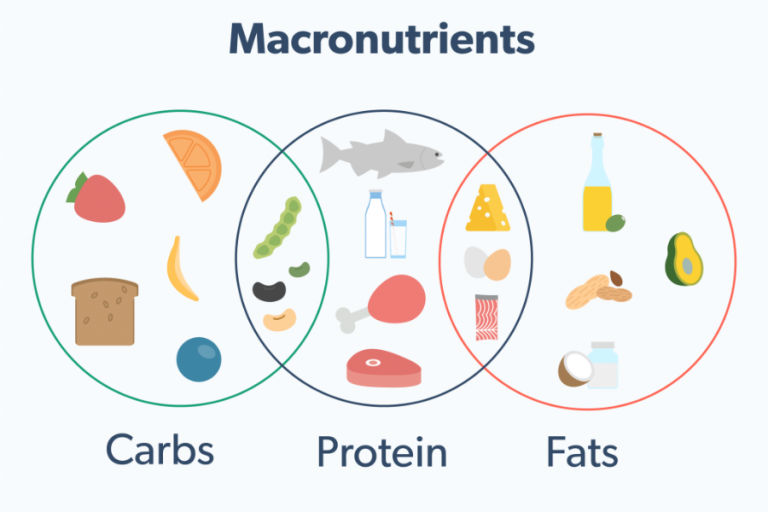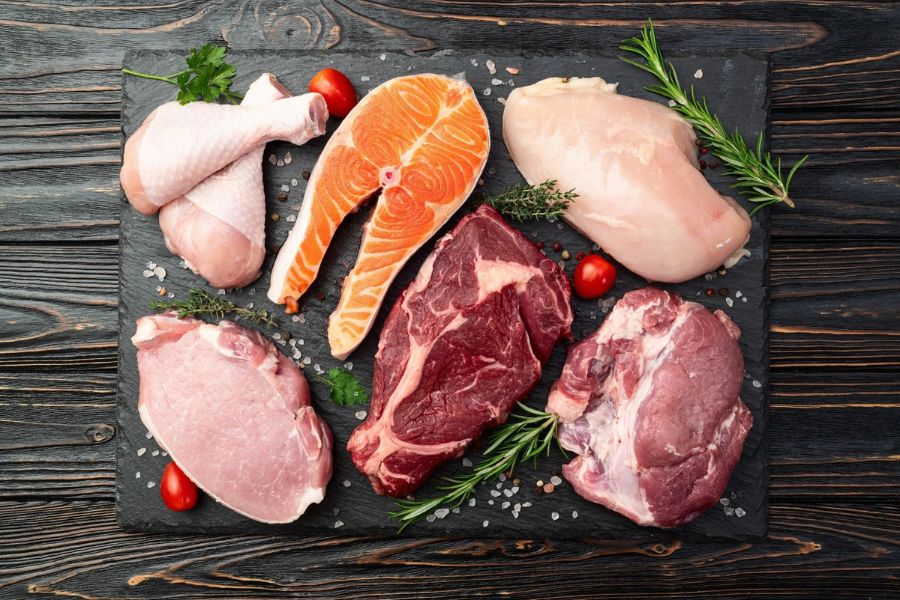
A strict all‑meat menu sounds simple. You fill your plate with steak, eggs, and burgers and skip everything else. In reality, staying healthy on this way of eating usually means you need to think about carnivore diet supplements too.
When you cut out fruits, vegetables, and grains, you remove your main sources of vitamin C, fiber, magnesium, potassium, and several other micronutrients. Recent research on theoretical carnivore meal plans for adults in Australia and New Zealand found that while protein and many B vitamins were covered, several key vitamins and minerals regularly fell short and sodium was extremely high (PubMed, News-Medical). That is exactly where smart supplementation can help.
Below, you will see which nutrients you are most likely missing, what each supplement actually does for you, and how to use them without going overboard.
Understand what the carnivore diet misses
The carnivore diet can cover a lot of bases. Animal foods are rich in:
- High quality protein
- B vitamins like B6 and B12
- Iron and zinc
- Vitamin A and selenium
The 2024 and 2025 analyses of sample carnivore meal plans found that riboflavin, niacin, vitamin B6, vitamin B12, selenium, zinc, phosphorus, and vitamin A generally met or exceeded recommended intakes (PubMed, News-Medical).
The gaps show up elsewhere. Across all versions of the diet that researchers tested, intakes were consistently low for:
- Vitamin C
- Magnesium
- Calcium
- Potassium
- Iodine
- Folate
- Sometimes iron, especially for women, unless liver was included
Dietary fiber was also far below recommended levels (PubMed). Another concern was sodium. When meals included added salt, sodium intake was 15 to 20 times higher than guidelines, which raises long term heart and blood pressure questions (News-Medical).
You can improve some of these numbers with careful food choices, for example by eating liver for iron or dairy for calcium, but most people still benefit from a targeted supplement plan.
Prioritize vitamin C for daily protection
Once you remove fruits and vegetables, you lose the easiest way to get vitamin C. Animal foods contain only tiny amounts. Multiple nutrition experts point out that this makes vitamin C one of the most important carnivore diet supplements to add back in (Country Life Vitamins).
Vitamin C supports:
- Immune defenses
- Collagen formation for skin, bones, and joints
- Wound healing
- Iron absorption
The recommended daily intake for adults is roughly 70 to 90 milligrams. On a strict carnivore plan, you will not come close to that without a supplement (Country Life Vitamins).
You do not need a megadose. In most cases, a simple daily vitamin C capsule in the 250 to 500 milligram range covers your needs with room to spare. If you tend to have a sensitive stomach, taking it with a meal usually helps.
Stabilize electrolytes with magnesium and potassium
Low carbohydrate eating changes how your body handles fluids and minerals. When you eat very few carbs, insulin levels drop. That signals your kidneys to release more water and electrolytes in your urine. More trips to the bathroom also mean more sodium, magnesium, and potassium loss (Carnivore Snax).
Meat has some minerals, but it does not fully replace what you lose. Across carnivore meal plans, magnesium and potassium were two of the most common shortfalls (PubMed, Country Life Vitamins).
Why magnesium matters
Magnesium is involved in more than 300 reactions in your body. You rely on it for:
- Muscle contraction and relaxation
- Heart rhythm
- Nerve function
- Energy production
- Sleep quality
Since magnesium is more abundant in plant foods like nuts, seeds, and leafy greens, it is easy to come up short on carnivore. Adults typically need between 310 and 420 milligrams per day (Country Life Vitamins).
If you are dealing with tight muscles, restless sleep, or low energy after going meat only, a well absorbed magnesium supplement can make a noticeable difference. Look for forms labeled citrate, glycinate, or malate rather than oxide.
Why potassium matters
Potassium balances sodium in your body and supports:
- Healthy blood pressure
- Normal heartbeats
- Muscle and nerve function
- Fluid balance
Recommended adequate intakes sit around 2600 milligrams per day for women and 3600 milligrams for men (Country Life Vitamins). On a carnivore diet that avoids plant based potassium sources, you can easily fall below that, especially if you eat higher sodium cured meats.
Because high dose potassium supplements can interact with some medications and health conditions, it is smart to talk with your doctor about the right approach. Sometimes, an electrolyte drink with moderate potassium and magnesium is all you need to feel better hydrated and less cramp prone (Carnivore Snax).
Support bones with calcium and vitamin D
If you include dairy like cheese, yogurt, and cream in your carnivore plan, you will get more calcium than someone eating only meat and eggs. Even so, the 2025 analysis of carnivore meal plans found that adding dairy raised calcium intake to only about 74 percent of the recommended intake for men and 84 percent for women. That still falls short of the 1000 milligram daily target (News-Medical).
Calcium and your meat based diet
Calcium is best known for building and protecting bones and teeth, but it also helps your muscles contract and your blood clot properly. If dairy is off your list or you only eat small amounts, a modest calcium supplement can help close the gap.
Because your sodium intake might already be high on carnivore, focus on foods and supplements that do not add extra salt. The Australian and New Zealand modeling studies showed that added salt was the main reason sodium shot up so dramatically (News-Medical).
Vitamin D and K2 for better absorption
Vitamin D helps you absorb calcium from your diet and directs it where it needs to go. Sunlight is your strongest source, not food, so deficiencies are common regardless of how you eat. That is why multiple nutrition resources suggest supplementing 600 to 800 IU of vitamin D per day for adults, especially if you live in a low sun climate or spend most of your time indoors (Country Life Vitamins, Uncle Gym).
Vitamin K2 works together with vitamin D to ensure calcium ends up in your bones, not in soft tissues. Egg yolks and some cheeses provide a bit of K2, but if your intake is inconsistent, a combined vitamin D3 and K2 supplement offers a simple safety net (Carnivore Snax).
Use omega‑3s to balance fatty meats
One of the benefits of carnivore is that it encourages you to eat enough fat to feel full and keep your energy steady. The downside is that if you mostly rely on grain fed beef, bacon, sausage, and cheese, your omega‑6 intake can climb without enough omega‑3s to balance it.
A less favorable omega‑6 to omega‑3 ratio can promote inflammation over time. Experts recommend omega‑3 supplementation for carnivore eaters who do not regularly consume fatty fish or grass fed meat (Country Life Vitamins).
EPA and DHA, the two main omega‑3 fats in marine sources, support:
- Brain function and mood
- Heart health
- Joint comfort
- Healthy inflammatory responses
Fish oil and krill oil are the most common choices. Krill oil also contains phospholipids and the antioxidant astaxanthin, which may improve absorption and provide extra cell protection (Carnivore Snax). Whichever you choose, look for products that are tested for purity and sourced from low mercury fish.
Consider a quality multivitamin as a backup
If you want to keep your supplement routine simple, a well designed multivitamin can help cover several smaller gaps at once. That is especially useful if you are in a busy season of life or just starting carnivore and still figuring out your exact food choices.
Multivitamins recommended for carnivore style eaters usually focus on:
- Vitamin C
- Magnesium
- Iodine and other trace minerals
- B vitamins
- Vitamin D and sometimes vitamin K2
Resources that review supplements for meat based diets point out that needs differ by sex, age, and life stage. For instance, women may need more iron at certain times, while men might prioritize heart health and energy support (Fastic). A general multivitamin can act as a safety net, but if you have specific health conditions or take medications, it is worth checking with a healthcare provider before you start.
Help digestion with enzymes and bone broth
A sudden jump to high fat, high protein eating can feel uncomfortable at first. Your body is adjusting to fewer carbs and more dense animal foods. You might notice bloating, heavy digestion, or irregular bathroom trips.
Digestive enzyme supplements can ease that transition for some people. Products that include betaine hydrochloride or proteolytic enzymes assist in breaking down protein and fat, which can reduce gas and fullness after meals (Country Life Vitamins). Probiotics may also help maintain gut balance while your fiber intake is very low (Carnivore Snax).
Bone broth is another gentle way to support your system. When made from grass fed, pasture raised animals and simmered slowly, it provides:
- Collagen and gelatin for joints and gut lining
- Amino acids like glycine
- Minerals and electrolytes
Look for bone broth without added sugars, artificial flavors, or excessive salt so that you get the benefits without unwanted extras (Carnivore Snax).
Put your supplement plan together
You do not have to take every possible carnivore diet supplement. The goal is to target the areas your plate does not fully cover.
A simple starting framework might look like this:
Vitamin C + magnesium, an omega‑3, and a vitamin D3 / K2 combo form a solid base for most carnivore eaters. From there, you can layer in calcium, potassium, a multivitamin, or digestive support based on your personal needs and lab work.
Pay attention to how you feel day to day. If you notice fatigue, cramps, mood changes, or sleep issues after switching to carnivore, those are early cues to revisit both your food choices and your supplement routine.
Most importantly, treat supplements as tools to support your goals, not as a replacement for a thoughtful eating plan. The research is clear that a meat only diet can meet many nutrient needs, but it also leaves real gaps and can overshoot sodium unless you plan carefully (PubMed, News-Medical).
If weight loss and better health are your goals, combining a well structured carnivore menu with the right supplements and regular health checkups will give you a much better chance of feeling your best for the long term.
About the Author