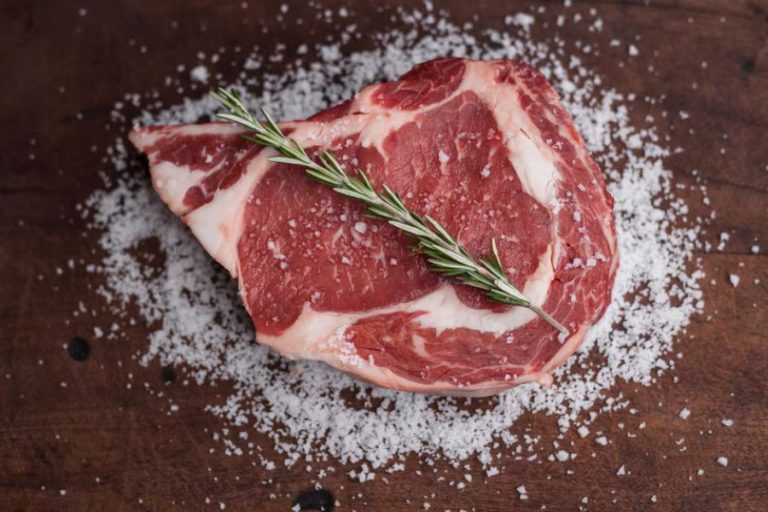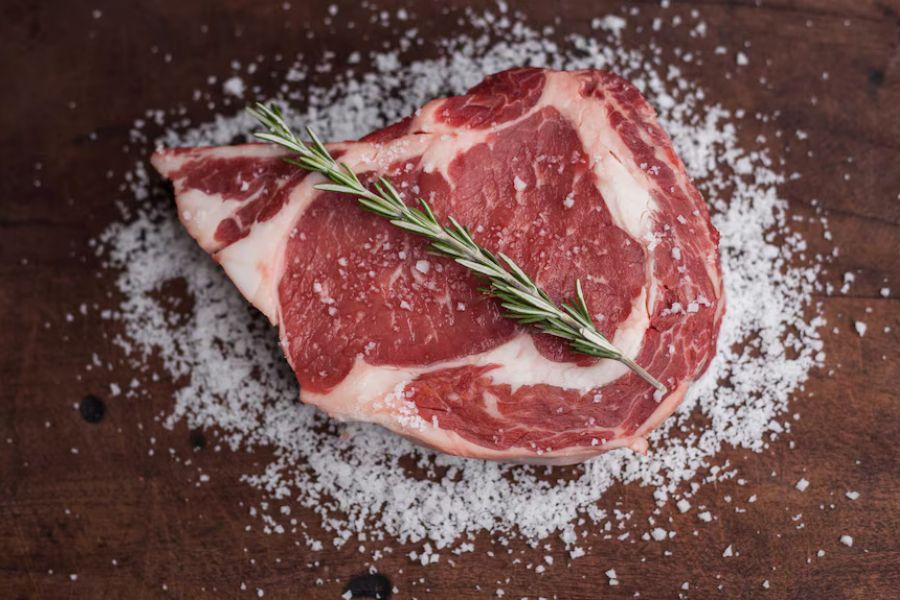
A plate full of steak and bacon that promises fast fat loss can sound tempting. The reality of carnivore diet weight loss is more complicated. Before you clear your fridge of anything green, it helps to understand how this approach works, what the evidence says, and what risks you would be taking on.
Below you will find a clear, research‑based look at how the carnivore diet may affect your weight and your health, along with questions to ask yourself before you try it.
What the carnivore diet really is
The carnivore diet is one of the most restrictive ways you can eat. You only consume animal foods and cut out all carbohydrates.
In practice, that means you typically eat:
- Meat and poultry
- Fish and seafood
- Eggs
- Some dairy like cheese and butter
- Water and sometimes other zero calorie drinks
You do not eat:
- Vegetables
- Fruits
- Grains
- Legumes
- Nuts and seeds
That is why it is sometimes called a zero carb diet. Harvard Health notes that the carnivore diet is essentially the most ketogenic style of eating because it allows almost no carbohydrates, so your body burns fat and produces ketones for fuel instead of relying on carbs for energy (Harvard Health Publishing).
Unlike a typical keto diet, the carnivore plan does not usually set specific fat or protein targets. You simply eat animal products until you feel full and rely on the natural fat in those foods for energy (Harvard Health Publishing).
How carnivore diet weight loss can happen
If you switch from a standard diet to eating only animal products, several changes can lead to weight loss, especially in the short term.
You may naturally eat fewer calories
Protein is very filling. When you eat meat, eggs, and fish at most meals, you often feel satisfied sooner and stay full longer. This can lead you to eat fewer calories without actively tracking.
The British Heart Foundation points out that high protein foods can increase satiety, which means you might eat less overall and lose weight as a result (British Heart Foundation).
You are also cutting out many calorie dense foods at once. On carnivore you avoid desserts, chips, bread, and sugary drinks by default. Baylor Scott & White Health notes that removing processed carbohydrates like cookies, cakes, and sodas can support weight loss because you are no longer taking in so many nutrient poor, high calorie options (Baylor Scott & White Health).
Your body shifts into ketosis
With almost no carbohydrates coming in, your body begins to burn stored fat and dietary fat for fuel and produces ketones. Harvard Health describes the carnivore diet as the most ketogenic, since it keeps carbs lower than standard keto plans, which still allow up to 10 percent of calories from carbohydrates (Harvard Health Publishing).
This fat burning state, called ketosis, is one reason many low carb diets show early weight loss. The British Heart Foundation explains that ketogenic approaches, including extreme versions like carnivore, often lead to short term drops on the scale because your body is burning more fat and you may also lose water weight as glycogen stores shrink (British Heart Foundation).
Blood sugar swings may decrease
If you struggle with energy crashes after high carb meals, you might feel more steady on a very low carb plan. Some carnivore supporters say that stable blood sugar helps them avoid cravings and stick to lower calorie intake.
Saint Alphonsus notes that followers often report improved mental clarity and energy due to more stable blood sugar and a steady nutrient supply from animal foods, which can indirectly support better food choices and body composition (Saint Alphonsus).
What the research and experts actually say
You will find plenty of dramatic before and after stories online. Some people report losing 10 to 50 pounds in a matter of months and say long‑standing health issues improved.
For example, a series of anecdotes collected by The Primal includes individuals who lost significant weight, saw blood pressure drop, and reported fewer IBS or autoimmune symptoms while eating only animal foods (The Primal). These stories can be compelling, especially if you feel stuck.
However, they are not the same as rigorous scientific studies. Baylor Scott & White Health stresses that as of 2024, there is no reliable long term research proving that the carnivore diet is more effective for weight loss than other methods (Baylor Scott & White Health). Most of the support is still anecdotal and self reported.
A 2021 survey of over 2,000 carnivore diet followers found that many people said they lost weight and felt better overall, but the British Heart Foundation highlights that the study relied on self reporting, lacked medical verification, and cannot prove cause and effect (British Heart Foundation).
Major medical organizations tend to be cautious or negative about this diet. For example:
- Cleveland Clinic warns that although you might lose weight, cutting out entire food groups like fruits, vegetables, whole grains, legumes, and nuts can lead to deficiencies and may increase your risk of digestive issues, heart disease, and some cancers (Cleveland Clinic).
- Harvard Health does not recommend the carnivore diet for weight loss, due to concerns about high saturated fat intake, elevated LDL cholesterol, kidney strain, and potential long term problems such as kidney stones, gout, and osteoporosis (Harvard Health Publishing).
- The British Heart Foundation advises against carnivore because of its high saturated fat and low fiber content, which can raise cholesterol and heart disease risk. They suggest a balanced Mediterranean style diet as a safer, more sustainable option for losing weight and protecting your heart (British Heart Foundation).
In short, you might lose weight on the carnivore diet, especially at first. The open question is whether you can maintain that loss and protect your long term health at the same time.
If you are mainly looking for steady, sustainable weight loss, most experts recommend a balanced pattern of eating that includes vegetables, fruits, whole grains, and lean protein instead of an all meat plan.
Risks and side effects you should consider
Before you decide that rapid results are worth it, you will want to look closely at the potential downsides. These are not minor details, especially if you plan to follow the diet for more than a few weeks.
Nutrient gaps and lack of fiber
By cutting out all plant foods, you lose natural sources of fiber, vitamin C, and many phytonutrients that support your immune system and help protect against chronic disease. Inspira Health and the British Heart Foundation both note that this lack of fiber and plant compounds can raise your risk for digestive problems, heart disease, and some cancers over time (Inspira Health Network, British Heart Foundation).
Baylor Scott & White Health adds that the highly restrictive nature of carnivore can also create deficiencies in vitamins such as A and C and may cause constipation because there is no fiber to keep your digestion moving regularly (Baylor Scott & White Health).
Heart and kidney concerns
Most versions of the carnivore diet are high in red meat and saturated fat. Harvard Health warns that this pattern can raise LDL or “bad” cholesterol and increase your risk of heart disease (Harvard Health Publishing).
Very high protein intake can also put extra stress on your kidneys. The same Harvard review notes concerns about kidney stones, gout, and impaired kidney function in the long run, especially if you already have kidney issues when you start (Harvard Health Publishing).
University Hospitals takes a similar position. Their dietitians describe the carnivore diet as an extreme, very high fat approach that is unsustainable for most people and may come with negative consequences, particularly for anyone with heart disease, kidney problems, nutrient deficiencies, or a compromised immune system (University Hospitals).
Long term sustainability and social life
Even if you do fine physically in the short term, you still have to think about how realistic this way of eating is for your life.
Inspira Health points out that the long term effects of carnivore are largely unknown and that the strict rules make it hard to follow for extended periods of time (Inspira Health Network). Saint Alphonsus and St. Vincent’s Medical Center echo this and highlight how difficult it can be socially, from eating at restaurants to sharing meals with family (Saint Alphonsus, St. Vincent’s Medical Center).
If you cannot keep up with the rules, any weight you lose is likely to come back when you switch back to your usual eating habits.
When carnivore might be tempting
You might feel particularly drawn to the carnivore diet if:
- You have tried many weight loss plans and feel frustrated
- You suspect you react poorly to certain plant foods
- You are attracted to simple, black and white rules
- You like meat and are not attached to fruits or vegetables
Some people with gluten intolerance, certain dairy sensitivities, or possible reactions to plant compounds like lectins and oxalates do report fewer symptoms when they eliminate these foods. University Hospitals notes that a small group of individuals may see relief from digestive or inflammatory issues under careful medical supervision (University Hospitals).
If this sounds like you, talk with a registered dietitian or physician before you experiment. Together you might design a short term, closely monitored trial with clear lab work and check‑ins rather than jumping in without support.
Safer ways to use what carnivore gets right
You do not have to go all the way to an all meat diet to benefit from some of the ideas that help people lose weight on carnivore. You can borrow the helpful elements and leave the risky parts behind.
Here are a few ways to do that:
- Emphasize protein at each meal so you feel full and snack less. Lean meats, fish, eggs, tofu, beans, and Greek yogurt all work.
- Cut back on ultra processed carbs like sugary drinks, desserts, chips, and white bread. Replacing them with whole foods alone can make a big difference.
- Build meals around simple, whole ingredients and clear routines so you are not constantly making complicated food decisions.
- Use a balanced plate approach, such as the MyPlate model that St. Vincent’s Medical Center recommends: half your plate vegetables, one quarter whole grains or other carbohydrates, and one quarter lean protein (St. Vincent’s Medical Center).
These steps can give you many of the appetite control and blood sugar benefits that attract people to carnivore, while still giving your body fiber, vitamins, and phytonutrients.
Questions to ask before you start
If you are still considering carnivore diet weight loss, pause and walk through these questions:
- Do you have any history of heart disease, high cholesterol, kidney problems, gout, or digestive conditions?
- Are you pregnant, breastfeeding, a child, or do you have a compromised immune system?
- Have you talked with a doctor or registered dietitian and shared this exact plan with them?
- Can you realistically see yourself eating this way beyond a few weeks, including during holidays, travel, and social events?
- If you lose weight quickly but your cholesterol or kidney markers worsen, what will you prioritize?
Health systems including Inspira Health and University Hospitals strongly advise involving a healthcare professional before you jump into such a restrictive plan, especially if you have any existing health concerns (Inspira Health Network, University Hospitals).
The bottom line
You can lose weight on the carnivore diet. You might even feel better in the short term if you move away from processed foods and stabilize your blood sugar. However, most experts agree that the cost is high. You are cutting out entire food groups, increasing saturated fat intake, and raising your risk for nutrient deficiencies and potential long term health issues.
If you are mainly seeking lasting weight loss and better health, a more balanced, plant inclusive way of eating is usually safer, easier to live with, and better supported by research. You deserve a plan that helps you feel good now and protects your body for years to come, not just something that looks impressive on the scale for a few weeks.
About the Author