A meat-only diet sounds simple. You fill your plate with steak, eggs, and burgers without the bun, and you are technically following the carnivore diet. Before you jump in because you have heard about the benefits of carnivore diet for weight loss, inflammation, or mental clarity, it helps to understand what this way of eating can and cannot do for your health.
Below, you will learn how the carnivore diet is supposed to work, the benefits people report, what current research suggests, and the real risks you need to factor in before you decide if it is right for you.
Understand what the carnivore diet actually is
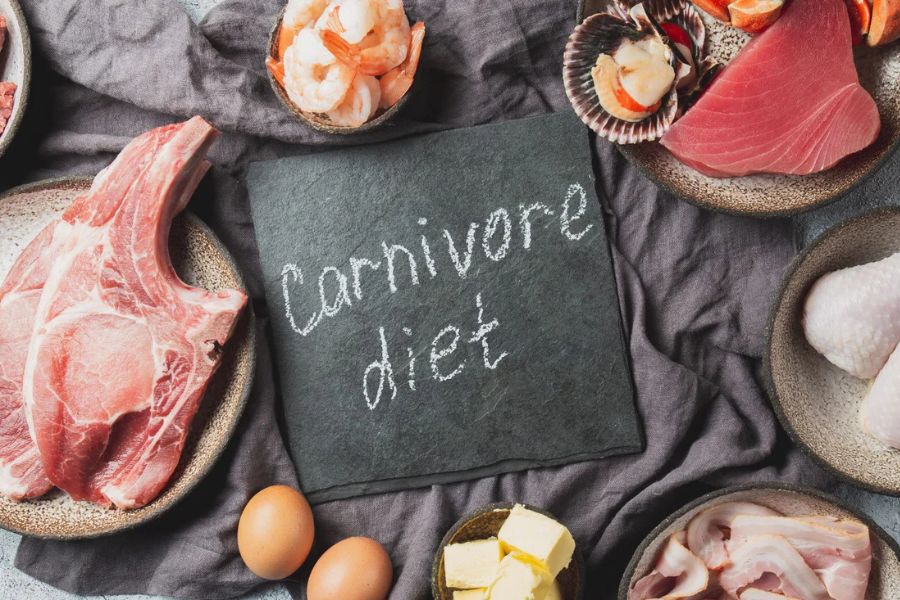
On a strict carnivore diet, you only eat animal based foods. That usually means:
- Beef, pork, lamb, and other red meats
- Poultry such as chicken or turkey
- Fish and seafood
- Eggs
- Animal fats like tallow, lard, or butter
- Sometimes, small amounts of low lactose dairy such as hard cheese
You avoid all plant based foods. That includes fruits, vegetables, grains, beans, lentils, nuts, seeds, and plant oils. Supporters describe it as an extreme form of keto that eliminates almost all carbohydrates instead of just reducing them, which is why it is often called an extreme version of the ketogenic diet as of 2025 (University Hospitals).
People are drawn to this approach because it feels clear and rule based. If it comes from an animal, you eat it. If it comes from a plant, you skip it.
How the carnivore diet may support weight loss
One of the most talked about benefits of the carnivore diet is weight loss. You may lose weight for a few reasons that are less mysterious than they seem.
High protein and fat can curb appetite
Meat, seafood, and eggs are rich in protein and fat. Both nutrients help you feel full and satisfied, which can make it easier to eat fewer total calories without constantly feeling hungry. A review of carnivore diet followers found many people reported weight loss, and experts suggest that this is largely due to high protein intake and cutting out calorie heavy processed foods and sugary drinks rather than any magic from ketosis alone (British Heart Foundation).
You might notice that when your meals are built around steak and eggs instead of pastries or chips, you feel full for longer and snack less between meals.
Cutting carbohydrates changes how your body uses fuel
The carnivore diet is very low in carbohydrates, sometimes close to zero grams per day. With almost no carbs to burn, your body relies more heavily on fat for energy. Some dietitians describe it as the most ketogenic way of eating because carb intake is pushed even lower than standard keto plans that still allow up to about 50 grams of carbs per day (Baylor Scott & White).
This shift can lead to rapid water weight loss in the first week or two, followed by fat loss for some people, especially if your total calorie intake drops at the same time.
You automatically cut out ultra processed foods
If you only eat animal products, you automatically avoid:
- Sodas and sugary drinks
- Candy and desserts
- Chips, crackers, and snack foods
- Most fast foods that include buns, fries, or breading
Nutrition experts point out that one positive aspect of carnivore is that it removes many unhealthy, highly processed carbohydrates that are high in added sugars and low in nutrients (Baylor Scott & White). For many people, simply removing these foods leads to weight loss, better energy, and fewer cravings, even before thinking about macros.
Potential benefits for blood sugar and inflammation
Beyond the scale, you may be interested in the benefits of carnivore diet for blood sugar or chronic inflammation, especially if you currently struggle with energy dips, joint pain, or digestive issues.
Fewer blood sugar spikes and crashes
Since you are not eating bread, pasta, sweets, or fruit, your blood sugar has fewer big ups and downs. Protein and fat do not raise blood sugar the same way carbohydrates do. People who follow carnivore often report more stable energy and fewer afternoon slumps during the workday.
Research summarized by the British Heart Foundation notes that consuming mainly protein and fat typically causes smaller blood sugar spikes than carbohydrate heavy meals, which may help reduce blood sugar levels in the short term (British Heart Foundation). This can feel like a relief if you are used to feeling shaky or foggy a few hours after eating.
Removing common inflammatory triggers
Another way the carnivore diet may help you feel better is by removing foods that irritate your system. Advocates argue that grains, legumes, some plant fibers, seed oils, and added sugars can be inflammatory for certain people. When you cut those out and focus on animal foods, you may notice less bloating, fewer digestive flare ups, or improvements in skin and joint pain.
For example, a chiropractic practice that works with patients on carnivore style diets reports that many people describe better digestion, fewer autoimmune flares, clearer skin, and less brain fog. They suggest that the benefits come primarily from eliminating gut irritants such as certain fermentable fibers, lectins, oxalates, and highly processed foods, which can reduce gut stress and calm inflammation in people with IBS, autoimmune issues, or food sensitivities (Camarata Chiropractic).
Other practitioners highlight that animal based diets can be rich in omega 3 fats from oily fish and grass fed meats, which are known for their anti inflammatory effects, and provide nutrients like vitamin B12 and iron that support overall health while potentially lowering inflammation (CarnivoreSnax).
Early study results and anecdotal reports
A 2021 survey of more than 2,000 people who followed a carnivore diet for at least six months found that 95 percent reported better overall health and 69 percent saw improvements in issues like excess weight, high blood pressure, or elevated blood sugar (British Heart Foundation). The study was based on self reporting without medical verification, so it cannot prove cause and effect, but it shows why this way of eating has gained such devoted fans.
Individual stories are also common. Some followers say they experience fewer migraines, clearer skin, or less joint pain, although experts note that there is no solid research yet to confirm these claims in a controlled way (Baylor Scott & White). If you have tried many diets without relief, the appeal of something that feels dramatically different is understandable.
Possible mental health and brain benefits
You might also see people talk about mental clarity, better mood, or fewer psychiatric symptoms as surprising benefits of carnivore diet.
A 2019 discussion published in Psychology Today highlighted reports of people experiencing major reductions in chronic psychiatric symptoms when switching to an all meat diet. The author notes that carnivore diets can cause rapid and profound shifts in brain and body chemistry, which may correct some imbalances for certain individuals (Psychology Today).
Some proposed reasons include:
- More stable blood sugar, which can influence mood and focus
- Removal of food sensitivities that might trigger inflammation in the brain
- A higher intake of certain nutrients like B12, iron, and omega 3 fats that support brain function
However, these ideas are still early. Most of the evidence is anecdotal or observational. If you take medications, particularly for mental health, specialists urge you to work closely with your healthcare provider before trying a carnivore diet, since the changes in metabolism can affect medication levels and side effects during the first month or two of adaptation (Psychology Today).
Important risks and limitations to weigh
The benefits of carnivore diet come with real trade offs. Before you adopt it for weight loss or health, you need to be aware of what you are giving up and what the long term risks may be.
Nutrient gaps from cutting all plants
Fruits, vegetables, whole grains, beans, nuts, and seeds provide fiber, vitamin C, many antioxidants, and plant phytonutrients that are linked to lower risk of heart disease, certain cancers, and better gut health. By cutting out these entire food groups, you increase your chance of nutrient deficiencies over time.
Dietitians at leading health systems warn that the carnivore diet is so restrictive that it can lead to missing key vitamins and minerals that are critical for balanced nutrition (Cleveland Clinic, St. Vincent’s Medical Center). Fiber is one of the most obvious losses. Without it, constipation, altered gut bacteria, and long term colon health concerns can become more likely.
Heart and digestive health concerns
A very high intake of red and processed meats, especially when combined with low fiber, has been associated with higher LDL cholesterol, increased heart disease risk, and a greater risk of colon cancer over time. Experts at St. Vincent’s Medical Center caution that a no carb, all meat approach can increase inflammation and raise concerns about heart health, digestive problems, kidney strain, and colon cancer risk due to the lack of fiber and high red meat intake (St. Vincent’s Medical Center).
The British Heart Foundation also points out that while omega 3 rich fish can be anti inflammatory, the presence of large amounts of red and processed meats in many carnivore plans may push overall inflammation and heart risk in the wrong direction for some people (British Heart Foundation).
Sustainability and social challenges
Even if you initially feel good, staying on a strict carnivore diet over the long term can be difficult. Social events, travel, and family meals become more complicated when you only eat animal products. Nutrition experts at several organizations describe the diet as hard to sustain and less practical than balanced, mixed food patterns that allow for flexibility (Baylor Scott & White, University Hospitals).
You may find it is easier to follow for a short experimental period than as a permanent lifestyle.
If you are drawn to the benefits of carnivore diet, it can help to think of it as a temporary elimination trial rather than your forever plan, unless your healthcare team advises otherwise and monitors you regularly.
How to decide if carnivore is right for you
You do not need to go to extremes to lose weight or improve your health. In fact, some dietitians recommend a more balanced plate, such as the MyPlate style of filling half your plate with vegetables and the rest with a mix of protein and carbohydrates, as a more sustainable and safer long term strategy (St. Vincent’s Medical Center).
If you are still curious about carnivore, you can move carefully by:
- Talking with your doctor or a registered dietitian first, especially if you have diabetes, heart disease, kidney issues, or take any regular medications.
- Considering a short term trial, such as 2 to 4 weeks, with medical guidance and baseline lab tests so you can track cholesterol, blood sugar, and kidney function.
- Focusing on higher quality animal foods like fish, eggs, and unprocessed meats rather than relying heavily on processed or charred meats.
- Paying close attention to digestion, energy, mood, and sleep, and stopping or adjusting if you experience worrying symptoms.
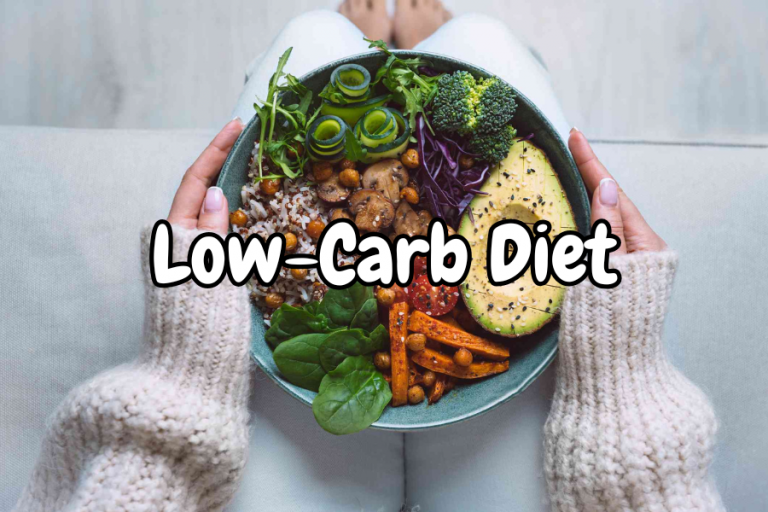
You might discover that you feel better simply by removing ultra processed foods and added sugars while still keeping vegetables and other nutrient rich plant foods in your diet. In that case, a more moderate low carb approach or a whole foods pattern can deliver many of the benefits of carnivore diet without the same degree of risk.
Key takeaways
- The carnivore diet focuses exclusively on animal foods and nearly eliminates carbohydrates.
- You may experience short term benefits such as weight loss, fewer cravings, steadier blood sugar, and reduced symptoms for some inflammatory or digestive issues.
- Some people report mental health improvements and better clarity, but research is still limited and largely anecdotal.
- Long term risks include nutrient deficiencies, lack of fiber, potential increases in LDL cholesterol and heart disease risk, and challenges with sustainability.
- Working with a healthcare professional and considering less extreme, whole food based changes may help you capture many of the benefits without giving up entire food groups.
If you are looking at the benefits of carnivore diet because you feel stuck or frustrated with your health, it is understandable to want a bold solution. Just make sure that any big change you make is informed, monitored, and tailored to your body, not just driven by social media buzz.
About the Author