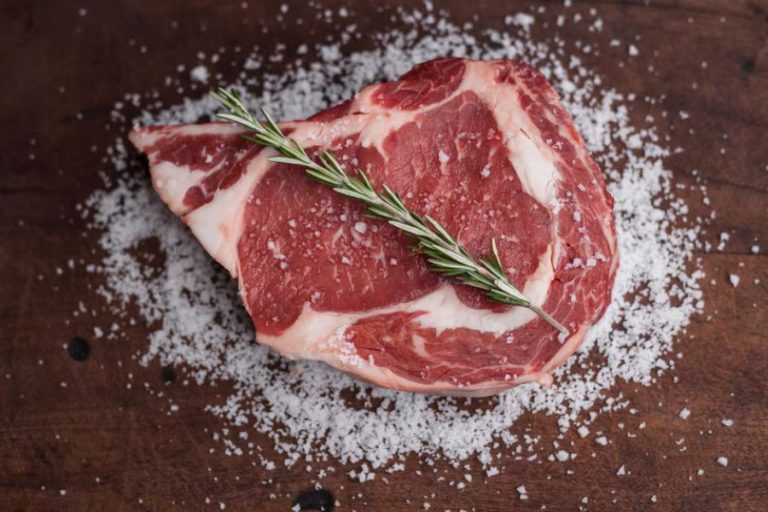
A carnivore diet before and after story can be dramatic. People report big changes in weight, cravings, and chronic symptoms when they switch to eating only animal foods. The real question for you is not just, “Does it work?” but “How do I use it safely and effectively for my body and goals?”
Below, you will see what a carnivore diet actually looks like in real life, what kind of “before and after” results people have reported, and practical tips you can use if you decide to try it for weight loss and better health.
Understand what the carnivore diet really is
At its core, the carnivore diet is very simple. You eat animal products and avoid plant foods.
In practice, that usually means meat, fish, eggs, and in some versions, dairy like cheese or yogurt. One nutritionist who ran a one month carnivore experiment in 2025 ate only meat, fish, eggs, and fermented dairy at first, then cut out dairy altogether and stuck to red meat, liver, and eggs. This approach had a side benefit you might appreciate. It saved time on meal prep and cut food costs compared to buying organic vegetables, fruits, and other plant based foods (Chief Nutrition).
The diet is often high in protein and fat, very low in carbohydrates, and completely free of grains, legumes, fruits, vegetables, and seed oils.
Common reasons you might consider carnivore
You might be drawn to a carnivore diet if you:
- Want fast, clear structure around what to eat
- Struggle with sugar or processed food cravings
- Have gut issues like IBS, SIBO, or bloating
- Feel overwhelmed by complex diet rules and tracking
Real people have used this way of eating for all of these reasons, which you will see in the case studies below.
Learn from real carnivore diet before and after stories
Seeing what others experienced can give you a realistic picture of what might change for you and what to watch for.
Case study 1: One month with a nutritionist
In 2025, a nutritionist tried a strict carnivore diet for a month, then continued for several more weeks. At first, they ate meat, fish, eggs, and fermented dairy. Later, they simplified further to red meat, liver, and eggs only. This structure made shopping and cooking easier and cheaper than their usual habit of buying a wide variety of organic plant foods (Chief Nutrition).
After five weeks on this plan, blood tests showed:
- Improved hormone levels
- Better iron saturation
- Some elevated liver enzymes and C reactive protein, but these were likely affected by a recent ultra marathon and were considered normal by the doctors consulted (Chief Nutrition)
Gut microbiome testing after four weeks showed a shift away from an unfavorable Firmicutes heavy profile to a more favorable higher Bacteroidetes ratio, even though no fiber or fermented vegetables were eaten (Chief Nutrition).
A DEXA scan over six weeks found:
- A gain of about 1 kg of lean muscle
- A gain of about 1.5 kg of fat
- Around a 2 percent increase in body fat
- Slight increase in visceral fat
- A small drop in bone mineral density, which was a concern because of pre existing osteopenia (Chief Nutrition)
This is a good reminder for you. “Before and after” is not only about the scale. It also involves muscle, bone health, and internal markers. Regular testing with your healthcare provider is essential if you choose this path.
Case study 2: Endurance performance on carnivore
If you are active, you may worry that meat only eating will tank your workouts. In the same nutritionist experiment, running performance did dip at first. During the transition, energy and pace dropped. After about three weeks though, fat adaptation kicked in. Endurance improved, and the nutritionist completed a 50 km ultra marathon feeling energetic, with none of the usual post race fatigue or digestive distress (Chief Nutrition).
That pattern is valuable for you to know. The “before” phase may include a slump, especially if you have been very carb dependent. The “after” may bring steadier energy once your body adapts to using fat as its main fuel.
Case study 3: Weight loss and addiction reset in menopause
One powerful example comes from a 54 year old woman named Lynda. Within 30 days of adopting a 100 percent carnivore diet, she lost 50 pounds and overcame a 20 year alcohol and sugar addiction. She also reported relief from intense menopause symptoms like hot flushes, night sweats, and stubborn belly weight, in part by prioritizing protein intake over fat (The Primal).
If you are postmenopausal, you may relate to her struggle. Shifting your focus to high quality protein can support muscle retention and satiety, which can make weight loss feel more manageable even when hormones are in flux.
Case study 4: IBS, mood, and chronic pain relief
Another person followed a carnivore diet for 60 days and reported complete remission of chronic conditions. Before, they had severe IBS, mood disorders, and chronic pain. After eliminating seed oils, vegetables, and salads, they lost 25 pounds, experienced much higher energy, and even competed in bodybuilding (The Primal).
You may not need to go that extreme forever, but this shows how a temporary elimination phase can help you identify which foods are triggering symptoms for you.
Case study 5: SIBO and lifelong insomnia
A New York kindergarten teacher with lifelong SIBO and insomnia started a carnivore diet and experienced a major shift within 90 days. She reported that her SIBO symptoms resolved and her sleep normalized, allowing her to wake at 4:30 am feeling full of energy for the first time in her life (The Primal).
If you struggle with gut overgrowth and poor sleep, this kind of story may be encouraging. It also highlights that you should always coordinate big diet changes with your doctor or GI specialist, especially if you are dealing with a diagnosed condition.
Case study 6: Metabolic health and medication changes
Another person started the carnivore diet on September 1st and within 50 days:
- Reduced weight from 187 lbs to 177 lbs
- Brought blood pressure from 190/104 down to 124/69
- Lowered blood glucose from 8.7 to 6.4
- Stopped five medications for cholesterol, thyroid, GERD, IBS, and nerve pain, under medical supervision (The Primal)
If you are on medication, this is a strong reminder. You should never adjust or stop prescriptions on your own. Talk to your doctor, share your plans, and get regular labs so that any changes are safe and guided.
Case study 7: Pain relief after major injury
After a serious car accident and nine months of recovery, a man returned to a carnivore way of eating and lost 30 pounds in 2.5 months. He stopped using daily pain medications and reported a dramatic drop in pain levels plus a big increase in energy (The Primal).
For you, this illustrates a pattern that shows up in many carnivore diet before and after stories. Less inflammation, less joint pain, and easier movement are common reports, especially from people who were previously eating a lot of processed foods and seed oils.
Weigh the potential benefits and trade offs
You have seen some of the striking benefits people reported. It helps to step back and look at both sides before deciding if this approach fits you.
Possible benefits you might experience
Based on the stories above, you might notice:
- Rapid weight loss in the early weeks
- Strong reduction in cravings for sugar and processed carbs
- Easier portion control because of higher protein and fat
- Calmer digestion if you are sensitive to certain plant fibers
- More stable energy once you are fat adapted
- Clearer food rules, which can feel mentally freeing
The nutritionist experiment also suggests that hormones, iron status, and even gut microbiome balance may improve in some people on a carnivore diet (Chief Nutrition).
Possible risks and downsides to consider
On the other hand, you should be aware of real concerns:
- Bone health: the small decline in bone mineral density in a person with existing osteopenia is a serious flag (Chief Nutrition). You may need careful monitoring, resistance training, and possible supplementation.
- Initial performance dip: you may feel weaker or slower for a few weeks until your body adapts to using fat.
- Social and lifestyle friction: eating only animal products can be tricky in social settings and while traveling.
- Limited long term research: most evidence is from case reports and small experiments, not large, long term trials.
Your safest path is to involve your doctor, get baseline labs, and schedule follow ups if you plan to stay on the carnivore diet for more than a short trial period.
Start your own carnivore diet experiment safely
If you decide to try this way of eating, think of it as a structured experiment, not a permanent identity from day one. That mindset helps you stay flexible and focused on your health, not just on rules.
Step 1: Define your “before”
Before you change anything, write down where you are starting from:
- Current weight, waist measurement, and photos
- Energy levels during the day
- Sleep quality and bedtime / wake time
- Digestive symptoms like bloating, pain, or irregular bowel movements
- Mood, cravings, and pain levels
If possible, get baseline blood work and, if you are at risk, a DEXA scan. That way, you can compare your own before and after instead of guessing.
Step 2: Choose your version of carnivore
You do not have to jump straight into the most restrictive form.
You can choose:
- “Basic carnivore”: meat, fish, eggs, and some dairy if tolerated
- “Strict carnivore”: mostly red meat, some organ meats, eggs, and water, similar to the nutritionist’s later phase of red meat, liver, and eggs only (Chief Nutrition)
Start with the version that feels challenging but realistic for you for at least 30 days.
Step 3: Plan simple, repeatable meals
One of the biggest advantages you can gain is simplicity. Think in terms of a few staple meals you rotate, for example:
- Breakfast: eggs and leftover steak
- Lunch: burger patties with cheese if you tolerate dairy
- Dinner: fatty cut of beef or pork, plus eggs or fish
The simpler your plan, the easier it is to stay consistent and notice how you feel.
Step 4: Expect and manage the transition phase
In the first 1 to 3 weeks, you might notice:
- Lower energy or brain fog
- Headaches or irritability
- Cravings for carbs
- Temporary performance drop in workouts
Hydration, enough salt, and patient adjustment of your training intensity can help. The nutritionist’s experience of an initial running performance decline followed by improved endurance after about three weeks is a useful guide for your expectations (Chief Nutrition).
Step 5: Track your “after” at set milestones
Instead of waiting months, check in at clear points like day 14, day 30, and day 60.
Each time, look at:
- Scale weight and body measurements
- Photos in the same lighting and clothes
- Energy, sleep, mood, and pain ratings
- Digestive comfort or discomfort
If you stay on the diet longer, repeat labs and any relevant scans to see how your internal health is shifting.
Decide how carnivore fits into your long term plan
A powerful carnivore diet before and after story is motivating, but your life is not a case study. You get to decide how this way of eating fits into your bigger picture.
You might use it as:
- A 30 to 90 day reset to break sugar addiction and identify trigger foods
- A medium term protocol to calm IBS, SIBO, or autoimmune flares under medical care
- A longer term lifestyle with occasional adjustments to bring back certain low irritant plant foods if they suit you
The key is to stay curious rather than rigid. If your labs, bone density, or symptoms worsen, you adjust. If your weight, energy, and pain improve, you can build on what works and gradually personalize your diet.
In the end, your most valuable “before and after” is not only how your body looks in photos, but how you feel waking up every day, how stable your energy is, how well you sleep, and how confident you are that your way of eating supports your health instead of fighting it.
About the Author