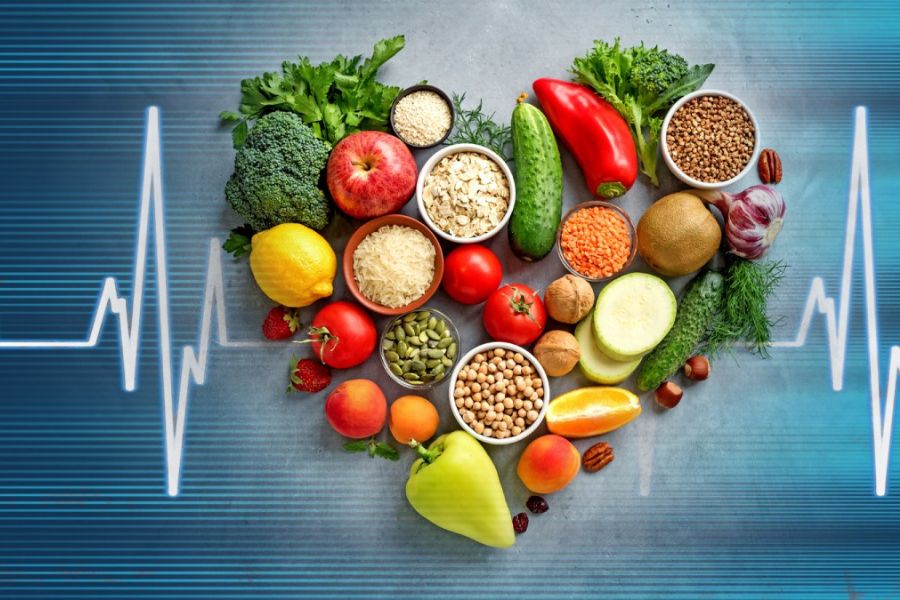
A dash diet for hypertension can feel like a big lifestyle shift, but it is really a clear, flexible blueprint for eating in a way that protects your heart. Instead of cutting out entire food groups or counting every calorie, you focus on what to add to your plate: more fruits and vegetables, whole grains, lean proteins, and heart healthy fats. Over time, this approach can help you lower blood pressure, support weight loss, and reduce your risk of serious health problems.
Below, you will see how the DASH diet for hypertension works, what the research shows, and simple steps to start using it in your daily life.
Understand what the DASH diet is
DASH stands for Dietary Approaches to Stop Hypertension. It is an eating plan created by researchers and backed by the U.S. National Heart, Lung, and Blood Institute (NHLBI) to help you prevent or manage high blood pressure through food choices, without special products or complicated rules (NHLBI).
At its core, the DASH diet asks you to:
- Eat plenty of fruits and vegetables
- Choose whole grains instead of refined grains
- Include low fat or fat free dairy
- Focus on lean proteins like fish, poultry, beans, and nuts
- Limit foods high in sodium, added sugars, and saturated fat
You can follow DASH at different calorie levels, so it can be tailored to your age, activity level, and weight goals. The standard DASH plan is often described using a 2,000 calorie per day example, but serving sizes can be adjusted for you (NHLBI).
See why DASH works for hypertension
High blood pressure puts extra strain on your heart and blood vessels. Over time, that strain can lead to heart attack, stroke, kidney problems, and other serious issues. The DASH diet targets key nutrients that affect blood pressure, especially sodium, potassium, calcium, and magnesium.
According to MedlinePlus, the DASH diet helps lower high blood pressure by lowering sodium intake and increasing foods rich in potassium, calcium, and magnesium, all of which help relax blood vessels and support healthier pressure levels (MedlinePlus).
The original DASH trial studied 459 adults and found that after 8 weeks, participants on the DASH diet had the greatest reduction in blood pressure compared to those eating a typical American diet, even though everyone consumed about 3,000 mg of sodium per day (NHLBI). Later research showed that cutting sodium further while following DASH lowered blood pressure even more, especially in people who already had hypertension (NHLBI).
Learn the key DASH diet targets
You do not need to memorize exact numbers before you start, but it helps to know what you are aiming for. The NHLBI describes a typical 2,000 calorie DASH plan with daily and weekly goals to guide you (NHLBI). In everyday terms, you would:
- Fill half your plate with fruits and vegetables at most meals
- Choose whole grains like oats, brown rice, quinoa, and whole wheat bread
- Include 2 to 3 servings of low fat or fat free dairy each day
- Eat lean protein from fish, poultry, beans, and nuts
- Use small amounts of healthy fats, such as olive or canola oil
- Keep sweets and sugary drinks as occasional treats
The DASH plan is designed to be flexible. Serving sizes adjust based on how many calories you need, so you can scale up or down while keeping the same balance of foods.
Manage sodium the realistic way
For hypertension, sodium control matters. The standard DASH diet limits sodium to about 2,300 milligrams per day, which is roughly a teaspoon of table salt. A lower sodium version aims for 1,500 milligrams per day for even greater blood pressure benefits (Mayo Clinic).
MedlinePlus notes that reducing sodium to 2,300 mg per day helps lower blood pressure, and cutting to 1,500 mg can help even more (MedlinePlus). That might sound strict at first, but small, consistent changes add up.
Instead of focusing only on the salt shaker, you can:
- Rely more on fresh or frozen vegetables instead of canned versions packed in brine
- Choose products labeled “no salt added” or “low sodium” when possible
- Drain and rinse canned beans and vegetables before using
- Flavor foods with herbs, spices, citrus, garlic, and vinegar instead of salt
- Limit processed meats, packaged snacks, and fast food, which are often very high in sodium
If you have hypertension, talk with your healthcare provider about which sodium target is appropriate for you.
Explore the proven health benefits
The DASH diet for hypertension is one of the most researched eating patterns. It is not just a theory or a trend, it has decades of clinical data behind it.
Several findings stand out:
- The original DASH trial showed that the DASH diet significantly reduced blood pressure in as little as 8 weeks compared to a typical American diet (NHLBI).
- The DASH Sodium trial found that combining the DASH diet with lower sodium intake, down to 1,500 mg per day, led to even greater reductions in blood pressure, especially in people with higher starting numbers (NHLBI).
- A meta analysis of 17 randomized controlled trials with 2,561 participants found that DASH reduced systolic blood pressure by about 6.7 mmHg and diastolic pressure by about 3.5 mmHg, with stronger effects in people who already had hypertension (Cureus).
Beyond blood pressure, the diet also improves other markers of health. Follow up reports from DASH research show that it reduces LDL cholesterol, one of the major risk factors for cardiovascular disease (NHLBI). Other studies link the DASH pattern with better 10 year cardiovascular risk scores and lower rates of heart failure in some age groups (Cureus).
Support weight loss the sustainable way
If you are also hoping to lose weight, the DASH diet can help without forcing you into extreme restriction. The focus on whole, minimally processed foods naturally lowers calories compared with a typical Western diet that is high in refined carbs, sugars, and saturated fats.
In the PREMIER clinical trial, 810 adults followed different lifestyle programs. The group that combined the DASH diet with increased physical activity and counseling saw the greatest reductions in both blood pressure and weight over 6 months, compared with receiving advice alone (NHLBI).
Because DASH is not a single short term “diet,” you are more likely to stick with it. The Mayo Clinic highlights that DASH uses widely available grocery store foods and restaurant choices, which makes it easier to follow for life (Mayo Clinic).
Plan a typical day of DASH eating
To make the DASH diet for hypertension feel more concrete, it helps to picture a full day of meals. The Mayo Clinic offers sample 2,000 calorie menus that keep sodium under 2,300 mg per day (Mayo Clinic). Here is how a similar day might look:
This is a general example, not a personalized plan. Adjust portions and food choices with your healthcare provider or dietitian.
Breakfast
Oatmeal cooked with low fat milk, topped with sliced banana and a spoonful of chopped nuts. A small glass of orange juice or a whole orange.
Snack
Carrot sticks and cucumber slices with hummus.
Lunch
Grilled chicken breast, a large salad with mixed greens, cherry tomatoes, bell peppers, and a small amount of olive oil and vinegar dressing. A side of brown rice.
Snack
Low fat yogurt with fresh berries.
Dinner
Baked salmon, steamed broccoli, roasted sweet potatoes, and a small whole grain roll.
Dessert or treat
A piece of fresh fruit or a small square of dark chocolate a few times a week.
Notice that none of these foods are exotic or complicated. You can buy them in most grocery stores and adjust them to your taste.
Combine DASH with movement and other habits
Food is a big part of hypertension management, but it is not the only piece. MedlinePlus recommends at least 30 minutes of moderate intensity exercise most days of the week, such as brisk walking or biking, aiming for at least 2 hours and 30 minutes each week to help lower blood pressure (MedlinePlus).
The ENCORE study showed that combining the DASH diet with behavioral weight management and regular exercise produced some of the largest drops in blood pressure, including a 16.1 mmHg decrease in systolic pressure in overweight adults with above normal readings (Cureus).
You can support your results by:
- Being consistent with your blood pressure medications if they are prescribed, and telling your healthcare provider that you are following DASH (MedlinePlus)
- Limiting alcohol to no more than two drinks per day for men and one drink per day for women, since heavy drinking can raise blood pressure (Mayo Clinic)
- Watching your caffeine intake, especially if you notice that your blood pressure rises after coffee or energy drinks
These steps, together with the DASH pattern, give you multiple ways to protect your heart.
Start small and build your own version
You do not have to change your entire pantry overnight to benefit from the DASH diet for hypertension. In fact, small, steady changes are more likely to stick.
You might try:
- Adding one extra serving of vegetables to your dinner tonight
- Swapping white bread for whole grain bread this week
- Choosing water or unsweetened tea instead of soda most days
- Cooking one new DASH friendly recipe each weekend
If you track your blood pressure at home, you may start to see improvements over a few weeks and months. Use those numbers as encouragement, not pressure. The goal is not perfection. The goal is to build an eating pattern that helps you feel better, protects your long term health, and still fits your real life.
If you are unsure where to begin, you can review the NHLBI’s DASH eating plan details and sample menus, then bring them to your next appointment and ask your provider to help you personalize them to your needs (NHLBI).
About the Author