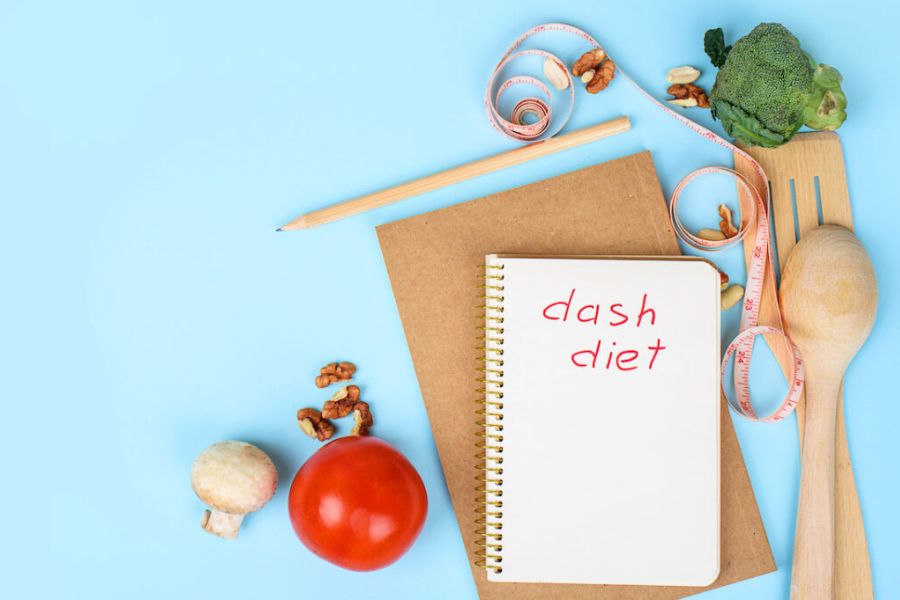
A dash diet grocery list is one of the simplest ways to turn healthy intentions into daily habits. Instead of counting every calorie, you focus on filling your cart with foods that naturally support lower blood pressure, weight management, and better energy. With a bit of planning, you can make your weekly shopping feel more like a fun treasure hunt than a chore.
Below, you will find a practical guide to what to buy, how much to aim for, and easy ways to turn those ingredients into meals you will actually look forward to.
What the DASH diet is all about
The DASH diet, which stands for Dietary Approaches to Stop Hypertension, is built around everyday foods like vegetables, fruits, whole grains, lean proteins, and low fat dairy. It was designed to help you manage blood pressure, but it also fits beautifully if you want to lose weight or simply feel better.
According to the Mayo Clinic, the core of the DASH diet is a pattern that is rich in vegetables, fruits, and whole grains, with moderate amounts of low fat dairy, lean meats, poultry, fish, beans, and nuts, plus limited saturated fat and added salt (Mayo Clinic). Once you understand these building blocks, your grocery list becomes much easier to write and follow.
How much of each food group you need
You do not have to hit exact numbers every single day, but it helps to know the general targets so you can shop accordingly. The Mayo Clinic offers serving ranges for two calorie levels, which can guide how you stock your kitchen (Mayo Clinic).
Here is a simple breakdown you can keep in mind when you write your list:
| Food group | Typical daily or weekly goal (general guidance) |
|---|---|
| Grains | 6 to 8 servings per day |
| Vegetables | 4 to 5 servings per day |
| Fruits | 4 to 5 servings per day |
| Fat free or low fat dairy | 2 to 3 servings per day |
| Lean meats, poultry, fish | Up to 6 ounces per day |
| Nuts, seeds, legumes | 4 to 5 servings per week |
| Fats and oils | 2 to 3 servings per day |
| Sweets | 5 or fewer servings per week |
When you create your dash diet grocery list, you are simply choosing a variety of foods from each row so you can hit those rough targets without overthinking every meal.
Build your DASH friendly grocery list
Think of your grocery list in layers. You will start with staples that you use all week, then add fresh items for color, flavor, and variety.
Vegetables to prioritize
Vegetables are the backbone of the DASH diet, and they are where a lot of your blood pressure benefits come from. Aim for plenty of color so you are naturally getting a mix of nutrients.
You might add items like:
- Leafy greens such as spinach, romaine, kale, or mixed salad greens
- Cruciferous vegetables like broccoli, cauliflower, cabbage, and Brussels sprouts
- Orange vegetables such as carrots, sweet potatoes, and butternut squash
- Everyday picks like tomatoes, cucumbers, bell peppers, zucchini, green beans, and onions
Frozen vegetables without added sauces or salt are also a smart buy. They are often just as nutritious as fresh, keep longer, and help you throw together quick stir fries, soups, and sheet pan meals.
Fruits that make snacking easy
Fruit adds natural sweetness, fiber, and potassium, which is especially helpful when you are trying to balance sodium intake. Keep a mix of fresh and frozen fruit on hand so you always have something ready to grab.
Consider stocking:
- Apples, oranges, clementines, pears, and bananas
- Berries, such as strawberries, blueberries, raspberries, or blackberries
- Grapes, kiwi, and melon for easy snack boxes
- Frozen berries or mango for smoothies and yogurt bowls
Aim to eat fruit in its whole form most of the time instead of drinking juice, since whole fruit gives you more fiber and keeps you fuller longer.
Whole grains for lasting energy
Whole grains are another key part of a DASH diet grocery list. They provide fiber and help keep your blood sugar steady, which supports both heart health and weight management.
Good options include:
- Oats or oatmeal, plain old fashioned or steel cut
- Whole wheat or sprouted bread
- Brown rice, wild rice, or quinoa
- Whole grain pasta or couscous
- Barley and farro for soups and grain bowls
- Whole grain crackers or crispbreads
Check labels and pick products that list a whole grain, such as whole wheat flour or oats, as the first ingredient. This helps you avoid refined grains that have been stripped of their nutrients.
Dairy that supports your goals
The DASH diet highlights fat free or low fat dairy products as a key source of calcium and protein without a lot of saturated fat (Mayo Clinic).
On your list, you might include:
- Skim or 1 percent milk
- Low fat plain yogurt or Greek yogurt
- Low fat cottage cheese
- Reduced fat cheeses in small amounts, such as part skim mozzarella or feta
If you prefer nondairy options, look for unsweetened plant based milks that are fortified with calcium and vitamin D, and be mindful of added sugars.
Lean proteins that fit the plan
Protein helps you feel full, maintain muscle, and support a healthy metabolism. On the DASH diet, you focus on lean options and keep portions moderate.
Add a mix of:
- Skinless chicken or turkey
- Fish such as salmon, trout, tuna or white fish
- Lean cuts of beef or pork, like sirloin, tenderloin, or center cut chops
- Eggs, especially if you limit other sources of saturated fat
- Beans and lentils, either canned with low sodium or dried
- Tofu, tempeh, and other soy products
The DASH approach also emphasizes limiting fatty meats and processed meats such as bacon, sausage, and full fat ground beef, since they are high in saturated fat (Mayo Clinic).
Nuts, seeds, and legumes for crunch and fiber
Nuts, seeds, and legumes pull double duty. They add texture and flavor while providing healthy fats, protein, and fiber. They are also part of the weekly serving recommendations in the DASH diet (Mayo Clinic).
You might buy:
- Unsalted almonds, walnuts, pistachios, or peanuts
- Sunflower seeds, chia seeds, ground flaxseed, or pumpkin seeds
- Canned or dried beans like black beans, chickpeas, kidney beans, and lentils
- Hummus for dipping vegetables or spreading on sandwiches
Portion size matters here, since nuts and seeds are calorie dense. A small handful or two tablespoons of seeds goes a long way.
Healthy fats and oils in moderation
You do not need to avoid all fat on the DASH diet. Instead, you choose healthier sources and use them in modest amounts.
Good picks for your list include:
- Olive oil or canola oil for cooking and dressings
- Avocados for sandwiches, salads, and toast
- Nut butters made with just nuts and maybe a bit of salt
- Small amounts of soft, non hydrogenated spreads if you like something on toast
The goal is to limit saturated fat, which means going easy on butter, full fat cheese, cream, and coconut oil.
How to keep sodium in check when you shop
A big part of making the DASH diet work is managing sodium. The plan typically limits sodium to between 1,500 and 2,300 milligrams per day, which means you will want to be thoughtful about what goes into your cart (Mayo Clinic).
When you are in the store, you can:
- Choose products labeled low sodium, reduced sodium, or no salt added when possible
- Compare brands of canned tomatoes, beans, and broths, and choose the one with the lowest sodium per serving
- Rinse canned beans and vegetables under running water to remove some of the excess salt
- Limit salty snacks, instant noodles, boxed meal kits, and frozen dinners that tend to be high in sodium
- Buy simple, minimally processed foods and season them yourself at home
Instead of relying on salt for flavor, fill your cart with herbs, spices, garlic, citrus, and vinegar. They wake up your meals without pushing you over your sodium limits.
Turning your list into easy meals
A thoughtful dash diet grocery list sets you up for simple, repeatable meals that still feel fresh. You do not need complicated recipes. You just need a loose formula and a few flavor ideas.
For example, you can build:
- Grain bowls with brown rice or quinoa, roasted vegetables, beans, a small portion of grilled chicken or tofu, and a drizzle of olive oil and lemon
- Big salads with mixed greens, colorful vegetables, beans or grilled fish, a sprinkle of nuts, and a light vinaigrette
- Stir fries made from frozen mixed vegetables, a lean protein like chicken or shrimp, a small serving of brown rice, and a low sodium sauce
- Breakfasts of oatmeal topped with fruit and a spoonful of nuts or seeds, or yogurt with berries and whole grain cereal
- Soup and sandwich combinations using low sodium broth, lots of vegetables, and whole grain bread with hummus or lean turkey
Once your pantry and fridge are stocked, you can mix and match ingredients all week without feeling like you are on a rigid diet.
Making your DASH grocery trips more fun
Healthy eating tends to stick when it feels enjoyable, not restrictive. A few small habits can help you look forward to your weekly trip and stay consistent.
You might:
- Try one new fruit or vegetable each week to keep things interesting
- Rotate different whole grains, like swapping brown rice for barley or farro
- Pick a theme night, such as taco bowls or Mediterranean bowls, and build your list around it
- Prep a few ingredients, like chopped vegetables or cooked grains, right after shopping so weeknight meals come together quickly
- Keep favorite herbs, spices, and low sodium sauces on hand so you can change the flavor of the same basic ingredients
By approaching your dash diet grocery list as a flexible toolkit instead of a strict rulebook, you give yourself room to experiment and find meals you genuinely enjoy.
Bringing it all together
When you focus on vegetables, fruits, whole grains, low fat dairy, lean proteins, and low sodium choices, your grocery cart will naturally shift toward a DASH style pattern that supports heart health and weight goals. The Mayo Clinic guidance on servings and sodium gives you a clear structure, so you do not have to guess what belongs in your kitchen (Mayo Clinic).
Start with a short, realistic list before your next trip. Choose a few items from each food group, plan one or two simple meals you are excited to try, and build from there. Over time, your dash diet grocery list will become second nature, and healthy living will feel less like a project and more like your normal, enjoyable routine.
About the Author