A paleo-style way of eating can feel like a major change, but the potential paleo diet benefits are hard to ignore. By focusing on whole foods like lean meats, fish, vegetables, fruits, nuts, and seeds, you simplify your plate and often improve your health in the process.
Below, you will see how a paleo diet may support weight loss, blood sugar, heart health, and more, along with the key trade‑offs to consider before you decide if it is right for you.
Understand what the paleo diet really is
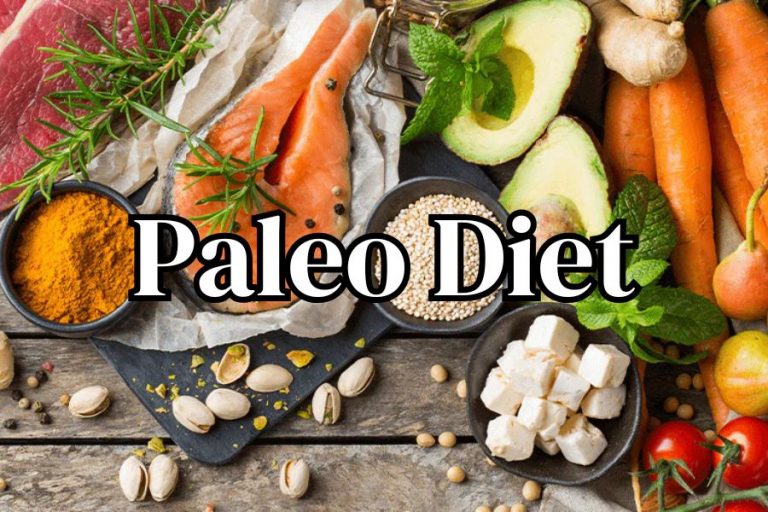
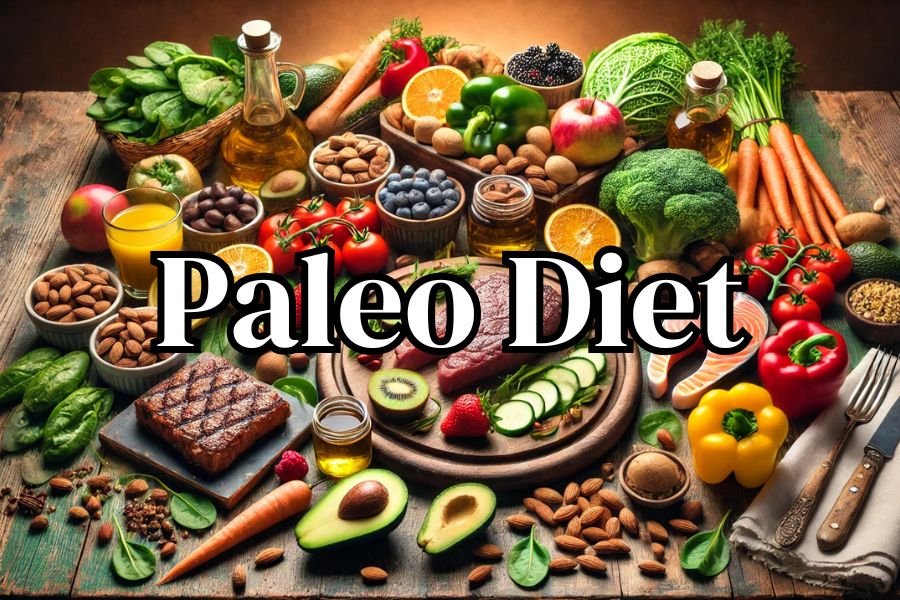
At its core, the paleo diet is built around foods that humans likely ate before farming began. You focus on:
- Fruits and vegetables
- Lean meats and poultry
- Fish and seafood
- Eggs
- Nuts and seeds
You avoid or limit:
- Grains such as wheat, rice, oats, barley, and corn
- Legumes such as beans, lentils, and peanuts
- Dairy products
- Refined sugar and highly processed foods
Mayo Clinic describes paleo as a pattern rich in fruits, vegetables, lean meats, fish, eggs, nuts, and seeds, and free from grains, legumes, and dairy that arrived with agriculture and food processing (Mayo Clinic).
So instead of calorie counting or complicated rules, you center your meals on simple, minimally processed foods.
Use paleo diet benefits for weight loss
If you want to lose weight, paleo can give you a structured but straightforward way to do it.
How paleo supports fat loss
Several randomized trials have found that people following a paleo diet tend to lose more weight and body fat than those using some standard guideline-based diets, at least in the short term. A meta analysis of 21 randomized controlled trials with about 700 adults found that a Paleolithic diet reduced body mass by an average of 5.8 kg in the short term, with stronger effects than various healthy control diets (PMC).
You may see results because:
- Higher protein and fiber can help you feel full with fewer calories
- Cutting out refined carbs and added sugar often reduces mindless snacking
- Whole foods usually have a lower calorie density than processed foods
In a two year trial of postmenopausal women with obesity, a paleo diet led to greater fat loss at 6 months and more reduction in triglycerides at 6 and 24 months compared to a Nordic Nutrition Recommendations diet (Harvard T.H. Chan School of Public Health).
What this looks like in daily life
Instead of toast and cereal, you might eat eggs scrambled with vegetables and a side of berries. Lunch could be a big salad with grilled chicken, avocado, and olive oil. Dinner might be baked salmon with roasted vegetables. You are not starving yourself. You are simply switching to foods that fill you up in a more nutrient dense way.
Support blood sugar and insulin sensitivity
If you struggle with blood sugar swings or have insulin resistance, some parts of a paleo diet can help.
Why lower carb paleo meals may steady blood sugar
The paleo diet is naturally low in refined carbohydrates and added sugars. Registered dietitian Melissa Joy Dobbins notes that the significant carbohydrate restriction helps keep blood sugar levels lower, because you are eating very few foods that rapidly raise blood sugar (Everyday Health).
Some people with type 2 diabetes who switch to a paleo style diet report:
- Blood sugar readings more consistently in target range
- Better blood pressure and cholesterol
- Sometimes a reduced need for diabetes medications, at least temporarily (Everyday Health)
However, this is not guaranteed, and any medication changes must be guided by your health care provider.
What research shows and where it is mixed
A 2020 systematic review of randomized trials in people with altered glucose metabolism found that a Paleolithic diet did not significantly outperform other healthy diets for fasting glucose, fasting insulin, insulin resistance, or long term glucose control (HbA1c) (PMC).
On the other hand, the broader meta analysis of 21 trials found significant improvements in fasting plasma glucose, fasting insulin, and insulin resistance on the paleo diet, especially in the short term, and these improvements tended to be stronger than those seen with control diets (PMC).
The takeaway for you: paleo style eating can help many people improve blood sugar control, but it is not magic, and results vary. If you have diabetes or prediabetes, talk with your doctor or dietitian before you make major changes.
Improve cholesterol and heart health markers
You might expect a meat heavy plan to harm your heart, but the picture is more complex.
Potential heart health upsides
When you follow a paleo diet thoughtfully, you naturally eat fewer ultra processed foods, sugary drinks, and refined snacks. Harvard T.H. Chan School of Public Health notes that paleo emphasizes nutrient dense whole foods and avoidance of highly processed foods with added salt, sugar, and unhealthy fats, which can improve overall dietary quality (Harvard T.H. Chan School of Public Health).
In the large meta analysis, a paleo diet improved several cardiovascular risk factors compared with control diets, including:
- Lower total cholesterol and LDL cholesterol
- Reduced systolic and diastolic blood pressure by about 6.9 and 4.9 mmHg in the short term (PMC)
A study in young adults in Spain also found that greater adherence to a paleo style diet was associated with lower cardiovascular risk factors. The benefits seemed closely tied to eating more fruits and vegetables and fewer highly processed foods (Mayo Clinic).
Where you need to be careful
Some versions of paleo encourage high intakes of red meat, fatty cuts, and bacon. If you lean heavily on these choices, your saturated fat intake can climb to levels well above what most health organizations recommend. One analysis noted that saturated fat on a strict paleo diet can reach around 50 grams per day, compared to about 13 grams per day often suggested as an upper limit for heart health (Monte Nido).
Higher saturated fat intake has been linked with:
- Increased LDL (bad) cholesterol
- Higher risk of heart and kidney disease and bowel cancer (Monte Nido)
Your best move is to build your paleo meals around lean poultry, fish, seafood, eggs, nuts, seeds, olive oil, and plenty of vegetables, and treat processed meats and large amounts of red meat as occasional foods rather than daily staples.
Feel the benefits of more whole, unprocessed foods
Even if you do not follow paleo perfectly, borrowing its focus on whole foods can make you feel noticeably better.
More vegetables, fiber, and micronutrients
The National University of Natural Medicine highlights that adopting a paleo diet usually means eating more vegetables and fiber, which support gut health and help reduce overall inflammation (NUNM). A plate piled high with colorful produce also delivers vitamins, minerals, and antioxidants that your body needs to function well.
Some small, short term studies have found that paleo style eating can help manage weight and improve some health markers like blood pressure and cholesterol, although research is limited and often only covers weeks to months (Mayo Clinic).
Less processed food by default
Because you skip refined grains, sugary snacks, and many packaged foods, your intake of added sugar, sodium, and industrial trans fats usually drops without much effort. Over time, your taste buds can shift, and you may find you crave heavy, sweet foods less often.
As one summary notes, moving to this kind of pattern often leads to better dietary quality overall, even before you account for weight loss or other changes (Harvard T.H. Chan School of Public Health).
Know the potential downsides and risks
To get the full picture of paleo diet benefits, you also need to understand what you might give up or put at risk.
Missing grains, legumes, and dairy
Strict paleo cuts out entire food groups that usually provide key nutrients. These include:
- Whole grains, a major source of fiber, B vitamins, iron, magnesium, and selenium that help control blood sugar, lower cholesterol, and reduce chronic disease risk (Monte Nido)
- Legumes, which supply plant protein, fiber, and minerals
- Dairy, one of the main providers of calcium and vitamin D for many people
Without careful planning, you may fall short on fiber, calcium, vitamin D, and some B vitamins. Mayo Clinic flags these nutrient gaps as a core concern about long term paleo dieting (Mayo Clinic).
Possible gut and heart effects
A 2020 Australian study looked at people who had followed a Paleolithic diet for more than a year. Compared with controls, they had:
- Much lower intake of resistant starch, a useful fiber for bowel health
- Higher serum levels of TMAO, a gut derived compound linked to cardiovascular disease
- A shift in gut bacteria, including more of a TMA producing genus called Hungatella, which was inversely related to whole grain intake (PMC)
Despite the drop in resistant starch, the study did not find big differences in short chain fatty acid production in stool. However, the paleo groups had higher saturated fat intake, higher total cholesterol, and higher body weight and BMI, which suggests potential cardiovascular concerns when the diet is followed in a very strict, grain and dairy free way (PMC).
Practical challenges you might face
You may also notice that:
- Grocery bills rise if you rely on premium meats and specialty products
- Meal prep takes more time
- Eating out or traveling feels more complicated
The National University of Natural Medicine also points out that paleo is especially difficult if you are vegetarian or vegan, since legumes, a key protein source, are off the table (NUNM).
Decide if paleo is a good fit for you
The research on long term paleo outcomes is still limited, and experts like Mayo Clinic emphasize that many benefits may come from eating more fruits and vegetables and fewer processed foods, not from excluding entire food groups forever (Mayo Clinic).
So how can you use paleo style eating in a way that works for your life?
One realistic approach is to treat paleo as a template rather than a rigid rulebook, emphasizing whole foods while making room for nutrient rich grains or dairy if you and your health care provider agree they serve you well.
If you have conditions such as diabetes, heart disease, kidney disease, or osteoporosis, talk with your doctor or a registered dietitian before making big changes. Because responses vary, the NUNM team recommends checking your cholesterol and blood sugar regularly after you start a paleo pattern to see how your body reacts (NUNM).
Simple next steps to try the paleo benefits
You do not need to overhaul your diet overnight to experiment with paleo diet benefits. You can start small, such as:
- Swapping your usual breakfast pastry for eggs and vegetables
- Replacing one processed snack each day with fruit and a handful of nuts
- Planning three paleo style dinners this week with lean protein and plenty of vegetables
Pay attention to how you feel in terms of energy, hunger, digestion, and cravings. If the changes feel good and are sustainable, you can gradually build from there, always keeping both the potential upsides and the possible nutrient gaps in mind.
With a thoughtful, flexible approach, you can capture many of the paleo diet benefits, like weight loss, better blood sugar, and improved heart health markers, while still honoring your long term health and lifestyle.
About the Author