A smart paleo diet grocery list can set you up for weight loss and better health. A sloppy one can leave you hungry, frustrated, and wondering why paleo is not “working” for you. The good news is that most problems come down to a few common shopping mistakes that you can easily avoid.
Below, you will learn exactly what to watch out for when you build your paleo diet grocery list, plus simple swaps that keep your cart (and your meals) truly paleo friendly.
Relying on “paleo” labels without reading ingredients
Plenty of packaged foods now shout “paleo” or “grain free” on the front. That does not automatically make them a good fit for your paleo diet grocery list.
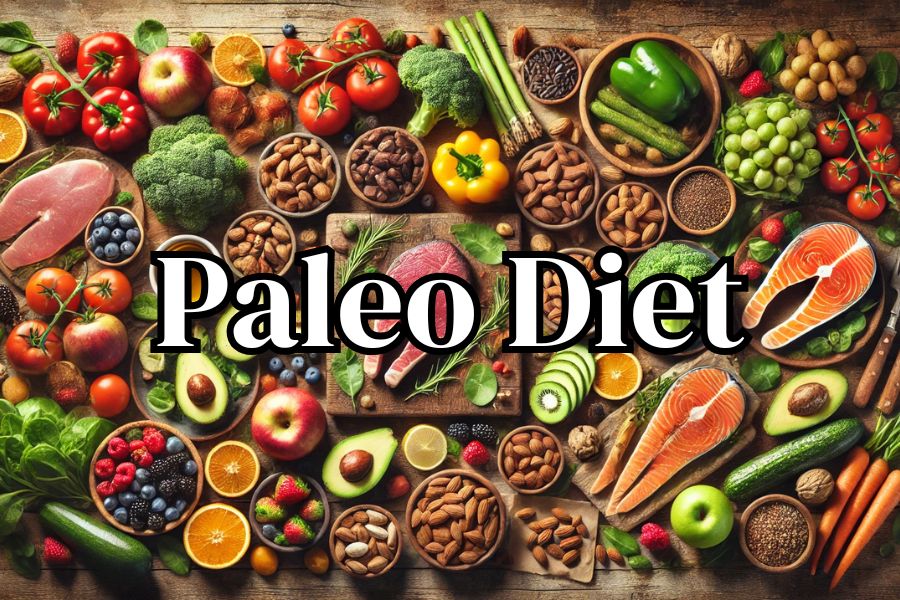
According to current paleo guidance, the diet focuses on minimally processed foods that your hunter gatherer ancestors could hunt or gather, such as grass fed meat, wild seafood, fruits, vegetables, nuts, seeds, eggs, and certain healthy oils, while avoiding processed foods, grains, dairy, and legumes (EatingWell). Many “paleo” products are still highly processed and full of added sweeteners or refined oils.
Instead of trusting the front of the package, turn it over and check:
- Is the ingredient list short and recognizable, like “almonds, sea salt, avocado oil”
- Are there added sugars, even ones that sound “natural,” such as honey, coconut sugar, maple syrup, or dates
- Are there non paleo oils, such as canola, soybean, corn, or generic “vegetable oil”
If you see a long list of ingredients or frequent sweeteners, treat it as an occasional treat rather than a staple.
Forgetting that fruits still contain sugar
Fruit has an important place on a paleo diet. You get vitamins, minerals, antioxidants, and fiber in a naturally sweet package. However, if you are trying to lose weight or manage blood sugar, your paleo diet grocery list can quietly sabotage you if it leans too heavily on high sugar fruits and dried fruit.
Modern fruit varieties often contain more sugar than what your Paleolithic ancestors ate, which is why some experts recommend prioritizing lower sugar fruits and watching portions on high sugar options (Kevin’s Natural Foods). Dried fruit and fruit juices are even more concentrated.
A better approach is to:
- Choose mostly lower sugar fruits like berries, citrus, and kiwi
- Treat high sugar fruits like bananas, mangoes, and grapes as a once a day serving, especially if weight loss is your goal
- Limit dried fruit and fruit juice, which can add up quickly without filling you up (Nerd Fitness)
If you like something sweet after dinner, add a handful of berries to coconut yogurt instead of snacking on dried mango or juice.
Skimping on vegetables and fiber
It is easy to get excited about grass fed steak and pasture raised eggs and forget that vegetables are supposed to be the foundation of your plate. Most paleo guidelines place a large variety of vegetables at the center of the diet, with protein and healthy fat supporting them (Kevin’s Natural Foods).
When your grocery list is heavy on meat and light on produce, you miss out on fiber, which helps you feel full, supports digestion, and can help steady blood sugar. You may also find that your meals feel richer and more calorie dense than you want.
As you write your list, aim to:
- Plan at least two different vegetables for every main meal
- Mix leafy greens, cruciferous vegetables like broccoli and cauliflower, and colorful options like carrots and peppers
- Include some starchy vegetables such as sweet potatoes in moderation if they fit your goals and energy needs (Nerd Fitness)
A simple rule of thumb is to cover half your plate with vegetables at each meal, then add your protein and fat.
Buying any meat instead of quality protein
Protein is central to a paleo diet, and your grocery list will naturally include meat, poultry, seafood, and eggs. However, not all protein sources are equal.
Paleo recommendations encourage organic, grass fed, or wild caught choices where possible because they are often leaner and can contain more omega 3 fatty acids, which support heart health and help reduce inflammation (EatingWell, Kevin’s Natural Foods). If your cart is full of highly processed meats like bacon, hot dogs, and deli slices, you are drifting away from the whole food focus that makes paleo effective.
When you can, prioritize:
- Grass fed beef and lamb
- Pasture raised pork and poultry
- Wild caught or responsibly farmed seafood, such as salmon, cod, shrimp, and sardines (Whole Foods Market, Nerd Fitness)
If your budget is tight, keep the cuts simple, like ground beef or whole chickens, and use processed meats sparingly instead of as everyday staples.
Overdoing nuts, nut butters, and “paleo” snacks
Nuts and seeds belong on a solid paleo diet grocery list. They provide healthy fats, protein, and minerals in a convenient, portable form, which is one reason they are so often recommended as paleo friendly snacks (Kevin’s Natural Foods, Healthline).
The issue is that it is easy to overeat them. A bag of trail mix or a jar of almond butter can quietly add hundreds of calories, especially when combined with dates, honey, or coconut sugar in snack bars and cookies.
Instead of loading your list with multiple bags of nuts and several boxes of paleo bars, try this pattern:
- Pick one type of nut or seed for the week, such as almonds or sunflower seeds
- Add one simple nut butter with no added sugar or oils
- Choose mostly whole food snacks, like cut vegetables with guacamole, hard boiled eggs, or bone broth (Whole Foods Market)
You still get the benefits of healthy fats, but you keep portions and added sugars in check.
A helpful way to think about snacks is to ask: “Would my great great grandparents recognize this as food?” If the answer is yes, it likely fits better with paleo principles than a packaged, dessert like bar.
Ignoring healthy fats and choosing the wrong oils
Healthy fats are an important part of feeling satisfied on paleo, yet many people either avoid fat altogether or load up on the wrong types. Traditional paleo guidelines favor fats that come directly from whole foods, such as olives, avocados, coconuts, nuts, and the fat that naturally comes with quality meat and seafood.
Paleo approved oils typically include olive oil, avocado oil, coconut oil, and some nut oils, while heavily processed vegetable oils and artificial trans fats are discouraged because of how they are made and their potential health effects (EatingWell, Whole Foods Market). If your grocery list still includes canola, soybean, or generic “vegetable” oil, you are missing an easy upgrade.
For a more supportive fat lineup, focus your list on:
- Extra virgin olive oil or avocado oil for salads and low to medium heat cooking
- Coconut oil or ghee for higher heat cooking
- Whole food fats, such as avocados, olives, nuts, and seeds (Nerd Fitness)
These choices help you stay satisfied between meals without relying on sugar heavy snacks.
Treating “grain free” as automatically paleo
Cutting out grains is a big part of the paleo framework, but “grain free” does not equal paleo by default. Many grain free products are still loaded with dairy, legumes, processed oils, or added sweeteners.
Since strict paleo typically avoids grains, dairy, legumes, and refined sugar, along with highly processed foods, it helps to double check labels for these ingredients before you add grain free crackers, bread, or pasta to your cart (Healthline, EatingWell).
When you want a grain free option, you might choose:
- Simple crackers made from nuts or seeds, baked with olive or avocado oil
- Spiralized vegetables, such as zucchini noodles or riced cauliflower, instead of pasta or rice (Whole Foods Market)
- Homemade “oatmeal” made from coconut milk, almond flour, shredded coconut, and ground flaxseeds instead of traditional oats (Healthline)
You still get satisfying textures without drifting too far away from whole foods.
Forgetting pantry staples that make meals easy
A lot of paleo frustration happens not in the grocery aisle, but on busy weeknights when you are hungry and short on time. If your paleo diet grocery list only includes fresh items and you skip pantry staples, you may find yourself reaching for takeout or non paleo shortcuts.
Simple pantry and fridge items can make fast, paleo friendly meals much easier. Many grocery lists for paleo include staples like bone broth, coconut aminos, nut based flours, and basic condiments made with approved oils (Whole Foods Market).
Here is a quick look at staples that can rescue a rushed evening:
| Staple item | How it helps you |
|---|---|
| Bone broth | Fast base for soups or a warm, protein rich snack (Whole Foods Market) |
| Coconut aminos | Simple swap for soy sauce in stir fries and marinades |
| Canned wild salmon or tuna | Quick protein for salads or lettuce wraps (Whole Foods Market) |
| Frozen vegetables | Back up when fresh produce runs out |
| Almond or coconut flour | Occasional baking or breading for proteins (Whole Foods Market) |
When you add a few of these to your list, you give yourself more ways to stick with paleo even on hectic days.
Loading up on “paleo treats” instead of real meals
Cookies, brownies, and muffins made with almond flour may be grain free and dairy free, but they are still treats. If your grocery list includes several varieties of paleo desserts and only a short list of proteins and vegetables, your daily eating pattern will show it.
Dessert inspired foods, even if they are technically compliant, usually contain concentrated sweeteners and dense calorie sources. They can easily crowd out the nutrient rich meals that help you lose weight and feel better.
You do not need to avoid them entirely. Just treat them the way you would in any other eating pattern:
- Plan real meals first, centered on vegetables, quality protein, and healthy fats
- Add one dessert or sweet snack to your list if you know you want it
- Keep sweets out of your daily routine if weight loss is a primary goal
Over time, you will likely find that you rely less on treats as your taste buds adjust to whole, simple foods.
Not planning for snacks and on the go options
If you only plan your main meals, you may end up hungry between them and unprepared. That is often when convenience store snacks, bakery items, or vending machine choices creep in.
Paleo friendly snacks do not need to be complicated. Many paleo grocery lists emphasize simple items like raw almonds, chia seeds, fresh fruit, hard boiled eggs, wild caught canned salmon, coconut yogurt, and turkey sticks from pasture raised sources (Healthline). You can mix and match a few of these to build satisfying mini meals.
When you write your grocery list, add:
- At least one protein rich snack, such as turkey sticks or hard boiled eggs
- At least one produce based snack, such as precut veggies or a low sugar fruit
- One healthy fat source, such as nuts or avocado, to pair with them
Think of these as your backup plan for long workdays, travel, or busy weekends.
Putting it all together for a better paleo cart
A thoughtful paleo diet grocery list does more than keep you “on plan.” It can help you lose weight more comfortably, manage cravings, and feel genuinely nourished.
As you prepare for your next shopping trip, focus on:
- Reading labels instead of trusting front of package buzzwords
- Balancing your cart with plenty of vegetables and some lower sugar fruits
- Choosing quality proteins and healthy fats whenever you can
- Treating nuts, snacks, and desserts as supportive extras rather than the main event
- Stocking basic pantry items that make quick, paleo friendly meals possible
You do not need a perfect cart to make progress. Start by fixing one or two of these common mistakes on your next paleo grocery run, then adjust again the week after. Small, consistent changes in how you shop will gradually reshape how you eat, and that is where the lasting results come from.
About the Author