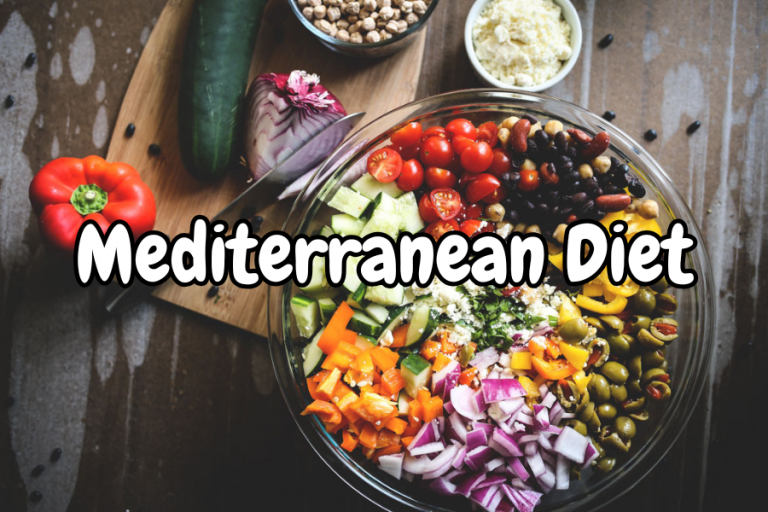
A Mediterranean diet can be one of the most practical, enjoyable ways to manage diabetes or lower your risk of developing it. When you focus on vegetables, whole grains, legumes, fish, nuts, and olive oil and cut back on sugary, processed foods, you support healthier blood sugar levels and heart health at the same time.
Below, you will learn how the Mediterranean diet and diabetes are connected, what the research actually says, and how you can start using this way of eating in your daily life.
What a Mediterranean diet really looks like
You do not have to live by the sea or cook complicated recipes to follow a Mediterranean style of eating. It is more about your overall pattern than any single food.
In a typical Mediterranean diet, you eat:
- Plenty of vegetables and fruits, especially leafy greens and berries
- Whole grains, such as oats, brown rice, barley, quinoa, and whole wheat
- Legumes like beans, lentils, and chickpeas
- Nuts and seeds, including almonds, walnuts, and sunflower seeds
- Olive oil as your main added fat
- Fish and seafood a few times per week
- Moderate amounts of poultry, eggs, and fermented dairy like yogurt
- Limited red meat, sweets, sugary drinks, and refined grains
According to EatingWell, this type of pattern, combined with a calorie level that fits your needs, has been linked to a lower risk of diabetes, heart disease, and some cancers because it emphasizes whole, fiber rich foods and healthy fats while limiting sweets, refined grains, sugars, and red meat (EatingWell).
How the Mediterranean diet affects blood sugar
If you live with diabetes or prediabetes, the way your body handles glucose is central to your health. The Mediterranean diet helps on several fronts.
Fiber slows down blood sugar spikes
High fiber foods are a core feature of this way of eating. Whole grains, beans, lentils, fruits, and vegetables take longer for you to digest, which slows the release of glucose into your bloodstream. EatingWell notes that these fiber rich foods help improve blood sugar control by reducing rapid spikes, which is crucial for diabetes management (EatingWell).
That slower, steadier digestion means you are less likely to see big jumps and crashes in your blood sugar after meals. Over time, this can make it easier for you and your healthcare team to fine tune medication, activity, and food choices.
Healthy fats improve insulin sensitivity
Instead of relying on saturated fats from red meat and high fat dairy, you focus on unsaturated fats from olive oil, nuts, seeds, and fish. The Mayo Clinic Diet explains that these healthy fats, combined with fiber rich carbohydrates and lean proteins, support better insulin sensitivity and lower inflammation for people with type 2 diabetes or prediabetes (Mayo Clinic Diet).
Better insulin sensitivity means your cells respond more effectively to insulin, so glucose can move out of your blood and into your tissues more easily. That helps you maintain more stable blood sugar with less effort.
Anti inflammatory foods support long term control
Many Mediterranean staples, such as extra virgin olive oil, berries, and leafy greens, are high in antioxidants and polyphenols. Research highlighted by the Mayo Clinic Diet links these compounds to improved insulin signaling and reduced A1c levels in people managing type 2 diabetes (Mayo Clinic Diet).
In other words, what you eat can quietly influence the low grade inflammation that often goes along with insulin resistance. Over time, that may translate into better lab numbers and fewer complications.
What the science says about diabetes risk
The Mediterranean diet and diabetes risk have been studied for years, and the overall picture is encouraging if you want to prevent type 2 diabetes or slow its progression.
A meta analysis of eight cohort studies with more than 122,000 people found that higher adherence to a Mediterranean diet was linked with a 19 percent lower risk of developing type 2 diabetes, particularly in European populations followed for more than ten years (Nutrients).
In the PREDIMED randomized controlled trial, older adults at high cardiovascular risk who followed a Mediterranean diet enriched with extra virgin olive oil or nuts had a 52 percent lower risk of developing type 2 diabetes compared with those on a low fat diet. This was mostly due to the composition of the diet pattern, not simply calorie restriction or weight loss (Nutrients).
Another large trial, PREDIMED Plus, looked at people aged 55 to 75 with overweight or obesity and metabolic syndrome. A Mediterranean style diet combined with calorie reduction, moderate physical activity, and professional support reduced the risk of developing type 2 diabetes by 31 percent compared to a control group who followed a Mediterranean diet without calorie restriction or added exercise guidance (Harvard T.H. Chan School of Public Health).
These findings suggest that if you commit to this eating pattern, especially alongside movement and appropriate calorie intake for your goals, you can meaningfully cut your risk of type 2 diabetes.
Using the Mediterranean diet to manage existing diabetes
If you already live with type 2 diabetes, you might wonder whether shifting your diet is worth the effort when you also have medications, monitoring, and daily stress to juggle. The research points toward real benefits.
In people with diabetes, adherence to a Mediterranean diet has been associated with improvements in glycemic control, including reductions in HbA1c by around 0.32 to 0.53 percentage units and lower fasting plasma glucose levels when compared with low fat or control diets (Nutrients).
A meta analysis of randomized controlled trials in people with metabolic syndrome, a cluster of risk factors that often precedes diabetes, found that a Mediterranean diet significantly lowered blood glucose levels and improved insulin resistance. Participants saw reductions in insulin levels, waist circumference, and body mass index as well, which are all closely linked to diabetes risk and control (MDPI).
The Mayo Clinic Diet also notes that consistent adherence to a Mediterranean diet can help reverse prediabetes by improving insulin sensitivity and lowering A1c over time, while offering a more sustainable, nutritionally balanced approach than very low fat or very low carb diets (Mayo Clinic Diet).
Mediterranean vs keto for diabetes
You might also hear about ketogenic diets for blood sugar control and wonder how they compare. A Stanford Medicine study that followed people with type 2 diabetes or prediabetes from 2019 to 2020 compared a Mediterranean diet rich in whole grains, fish, and vegetables with a ketogenic diet. Both approaches were similarly effective in controlling blood glucose levels and produced comparable weight loss, around 7 to 8 percent of body weight, along with improvements in fasting insulin, glucose, HDL cholesterol, and a liver enzyme called ALT (Stanford Medicine).
However, there were some key differences that matter for your everyday life:
- Participants found the Mediterranean diet easier to follow long term. Adherence dropped more quickly in the keto group, especially once prepared food deliveries stopped.
- LDL cholesterol increased on the ketogenic diet but decreased on the Mediterranean diet, suggesting a heart health advantage for the Mediterranean pattern.
- Researchers concluded there was no additional overall health benefit from eliminating legumes, fruits, and whole grains as required on a strict keto diet, especially for diabetes management. A less restrictive Mediterranean approach that limits added sugars and refined grains but includes quality carbohydrates appears preferable (Stanford Medicine).
If you want a way of eating you can realistically maintain for years, the Mediterranean diet offers more flexibility, variety, and social ease while still supporting your blood sugar and heart.
Weight loss, waistline, and insulin resistance
Weight and waist circumference are not the only factors that matter, but they do play a role in insulin resistance and diabetes risk. The Mediterranean diet can support gradual, sustainable weight loss rather than quick swings.
EatingWell shares that a Mediterranean style meal plan for diabetes around 1,200 calories per day can promote weight loss of about 1 to 2 pounds per week, with higher calorie versions, such as 1,500 or 2,000 calories, used depending on your needs (EatingWell). The focus remains on high fiber, nutrient dense foods that keep you full.
In the PREDIMED Plus trial, people who followed a Mediterranean diet with calorie restriction and exercise guidance lost around 3.3 kilograms and reduced their waist circumference by 3.6 centimeters over six years. The control group, who followed a Mediterranean diet without focused calorie reduction or extra activity support, lost only 0.6 kilograms and 0.3 centimeters from their waist (Harvard T.H. Chan School of Public Health).
A separate meta analysis in people with metabolic syndrome found that the Mediterranean diet led to meaningful reductions in waist circumference and body mass index, which in turn helps improve insulin resistance (MDPI).
Put simply, if you pair Mediterranean style eating with portion awareness and regular movement, you can steadily move your weight and waist in a healthier direction, which supports better blood sugar control.
Practical ways to get started
You do not need to overhaul everything at once. You can begin by layering Mediterranean habits onto what you already eat and gradually shifting your plate.
Build a Mediterranean style plate
At most meals, aim for:
- Half your plate non starchy vegetables, such as salad greens, broccoli, peppers, zucchini, or roasted carrots
- About a quarter lean protein, such as fish, skinless chicken, beans, or lentils
- About a quarter high fiber whole grains or starchy vegetables, like quinoa, barley, farro, sweet potatoes, or brown rice
- A small portion of healthy fat, such as olive oil, nuts, seeds, or avocado
This basic structure helps you balance carbohydrates with protein, fiber, and fat, which keeps your blood sugar steadier and your appetite satisfied.
Simple swaps that support blood sugar
You can make Mediterranean style choices without feeling like you are on a strict diet. For example, you might:
- Replace white bread with whole grain bread that lists whole wheat or another whole grain as the first ingredient
- Choose brown rice or quinoa instead of white rice on most days
- Cook with olive oil instead of butter most of the time
- Snack on a small handful of nuts and a piece of fruit instead of cookies
- Plan fish or seafood for dinner a couple of nights each week
- Flavor meals with herbs, garlic, lemon, and spices instead of heavy sauces
As EatingWell notes, the Mediterranean diet supports lifestyle changes for diabetes by encouraging home cooked meals, increased activity, high fiber foods, and limiting foods that quickly raise blood sugar, such as added sugars, sweets, and refined grains (EatingWell).
How sustainable is this way of eating
One of the strongest advantages of a Mediterranean diet for diabetes is that it is meant to be lived with, not endured. You can eat out, cook for family, and enjoy a wide variety of foods without feeling boxed in by rigid rules.
According to the Mayo Clinic Diet, this approach is more sustainable and nutritionally balanced for long term diabetes management than very low fat or low carb diets, because it includes healthy fats that improve satiety and insulin sensitivity while still allowing moderate amounts of low glycemic carbohydrates (Mayo Clinic Diet).
A 2022 Stanford study also found that participants adhered better to a Mediterranean diet than to a ketogenic diet once food delivery stopped, underscoring that flexibility matters if you want results to last beyond a tightly controlled trial setting (Stanford Medicine).
The best diet for diabetes is usually the one you can follow comfortably for years, not just weeks.
If you enjoy the flavors of olive oil, vegetables, beans, whole grains, and fish, a Mediterranean style pattern can fit into your lifestyle without feeling like a constant struggle.
Key takeaways
- The Mediterranean diet and diabetes are strongly linked in research, with this eating pattern lowering your risk of type 2 diabetes and helping you manage blood sugar if you already have it.
- High fiber foods, healthy fats, and lean protein help slow digestion, reduce blood sugar spikes, improve insulin sensitivity, and ease inflammation.
- Large studies and meta analyses show that a Mediterranean style diet can reduce diabetes risk by 19 to over 50 percent in different groups and can improve HbA1c and fasting glucose in people with diabetes.
- Compared to more restrictive plans like keto, a Mediterranean diet offers similar blood sugar benefits but is easier to maintain long term and may be better for heart health.
- When you pair Mediterranean eating with appropriate calorie intake and regular activity, you support gradual weight loss, a smaller waistline, and better metabolic health.
If you are ready to start, try one change at your next meal, such as swapping white rice for quinoa or drizzling olive oil over a big salad with beans and grilled fish. From there, you can build a way of eating that works for both your blood sugar and your everyday life.
About the Author