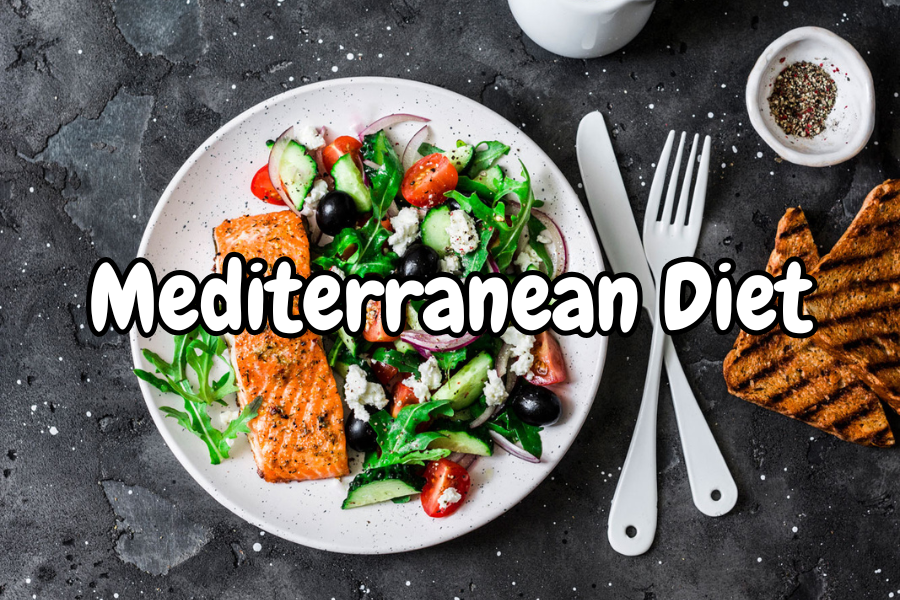
A Mediterranean diet for weight loss gives you structure without feeling like you are on a strict diet. Instead of counting every calorie, you focus on whole, flavorful foods that keep you full and support your health. Research suggests this way of eating can help you lose weight and keep it off, while also protecting your heart and metabolism (Mayo Clinic, Cleveland Clinic, Brown University Health).
Below, you will see what the Mediterranean diet is, why it works for weight loss, and how to start using it in your everyday meals.
Understand what the Mediterranean diet is
The Mediterranean diet is inspired by traditional eating patterns in places like Greece, Italy, and Spain. You eat mostly plant-based foods and healthy fats, with smaller portions of animal protein.
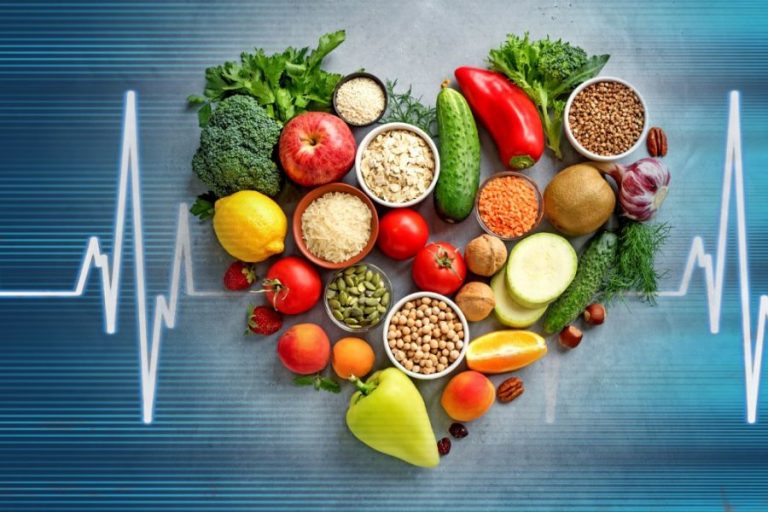
In practice, that means your plate is usually built around vegetables, whole grains, beans, lentils, fruits, nuts, and extra virgin olive oil. Fish and seafood show up a few times a week, poultry and eggs occasionally, and red meat and sweets only once in a while (Cleveland Clinic).
You do not have to follow a rigid menu. Instead, you use a few simple principles:
- Make plants the star of your meals
- Choose whole grains over refined ones
- Use extra virgin olive oil as your main fat
- Favor fish and beans over red meat
- Keep processed foods and sugary drinks to a minimum
Because there are few strict rules, the Mediterranean diet is flexible and easy to adapt to your tastes and culture. This flexibility is part of why people tend to stick with it longer than typical restrictive plans (Mayo Clinic, Brown University Health).
See how it supports weight loss
A Mediterranean diet for weight loss does not rely on cutting out entire food groups. Instead, it naturally lowers your calorie intake by filling your meals with foods that are satisfying, high in fiber, and rich in nutrients.
According to the Mayo Clinic, the fiber in fruits, vegetables, legumes, and whole grains helps you feel full longer, which makes it easier to eat less without feeling deprived (Mayo Clinic). Healthy fats from olive oil and nuts also add staying power to your meals without promoting unhealthy weight gain when you enjoy them in moderation.
Several studies link this style of eating to both weight loss and long term weight maintenance:
- A 2015 study reported that people following a Mediterranean diet lost about twice as much weight as those on a low carb diet (TODAY).
- A 2018 study found that following the Mediterranean diet for five years decreased abdominal fat and reduced the risk of gaining weight over time (TODAY).
- The MedWeight study showed that people who closely followed a Mediterranean pattern were about twice as likely to maintain at least 10 percent weight loss compared with those who did not (PMC).
The MedWeight research also noticed that successful weight loss maintainers tended to eat more protein and fruit. Each extra weekly serving of fruit was linked with slightly better odds of keeping the weight off, and the combination of typical Mediterranean foods, such as fruit, legumes, potatoes, olive oil, and low red meat, worked together to support long term success (PMC).
Focus on foods that keep you full
One of the biggest advantages of the Mediterranean diet for weight loss is how satisfying the meals are. You eat foods that take longer to digest and keep your blood sugar steadier, which can help tame cravings.
Key players include:
- Fruits and vegetables: High in water and fiber, low in calories, and rich in antioxidants. These bulk up your plate without adding many calories, which helps with portion control.
- Whole grains: Options like oats, brown rice, farro, barley, and whole wheat pasta provide complex carbohydrates and fiber that give you steady energy. A 2017 study found that whole grains contribute to eating fewer calories overall and support weight loss (TODAY).
- Legumes: Beans, lentils, and chickpeas are both high in fiber and protein, a combination that keeps you satisfied for hours.
- Nuts and seeds: These are energy dense, so portion size matters, but they support fullness, heart health, and blood sugar control when used as a garnish or snack.
- Extra virgin olive oil: EVOO provides healthy monounsaturated fats and antioxidants that help reduce inflammation and protect your heart. It also supports better insulin sensitivity and healthier blood sugar levels, which are both helpful for weight management (Cleveland Clinic, Brown University Health).
By replacing sugary drinks and heavily processed foods with these whole, plant based options, people in studies have naturally reduced their total calorie intake and lost weight, even when the calorie content on paper looked similar (TODAY).
Think of your meals as a mix of fiber, healthy fat, and moderate protein. That trio does more for your appetite and metabolism than simply cutting calories.
Use simple portions and meal ideas
You do not need to weigh every ingredient to follow a Mediterranean diet for weight loss. A few portion habits help you stay balanced without feeling like you are on a strict plan.
As a general guide, try to:
- Fill about half your plate with vegetables or a mix of vegetables and fruit
- Use one quarter for whole grains or starchy vegetables like potatoes
- Save the final quarter for protein, such as fish, beans, or chicken
- Add a tablespoon or two of extra virgin olive oil for cooking or drizzling
Here are a few easy meal ideas that match those proportions:
- Breakfast: Greek yogurt topped with berries, a sprinkle of nuts, and a drizzle of honey, plus a side of whole grain toast brushed with olive oil.
- Lunch: Salad with mixed greens, cherry tomatoes, cucumber, chickpeas, olives, and grilled chicken, dressed in olive oil and lemon juice.
- Dinner: Baked salmon over a bed of quinoa with a generous serving of roasted vegetables, all finished with a squeeze of lemon and olive oil.
- Snack options: An apple with a handful of almonds, carrots with hummus, or a small bowl of olives and cherry tomatoes.
If weight loss is your goal, you can gently adjust portion sizes by slightly shrinking the grain or starch section of your plate and keeping the vegetables abundant. Pairing this with regular physical activity improves your odds of losing weight and keeping it off (Mayo Clinic).
Build habits that last
One reason the Mediterranean diet stands out is that it supports a lifestyle, not just a short term diet. Instead of relying on willpower alone, you set up routines that feel enjoyable and sustainable.
Mindful and social eating are important here. The Mediterranean pattern encourages you to slow down during meals, savor your food, and often share it with others. Eating more slowly and with attention can help you recognize when you are comfortably full, which naturally reduces overeating without feeling like you are constantly saying no (Mayo Clinic).
You can start small:
- Sit at a table instead of eating in front of a screen.
- Put your fork down between bites.
- Take a few breaths before reaching for seconds and check if you are still physically hungry.
Studies suggest that this overall pattern, rather than any single food, creates a kind of synergy that supports weight control, heart health, brain function, and longevity together (Cleveland Clinic, Brown University Health). You are not relying on one “superfood”, you are letting all the pieces work as a team.
Work with your health team
Although the Mediterranean diet is considered one of the healthiest and most researched eating patterns, it is still worth tailoring it to your personal needs. Cleveland Clinic recommends talking with a dietitian or your primary care provider before you make big diet changes, especially if you have medical conditions, food allergies, or take medications that affect your appetite or blood sugar (Cleveland Clinic).
A professional can help you:
- Adjust portion sizes for your weight loss target
- Balance carbohydrates if you have diabetes or prediabetes
- Choose appropriate protein sources if you are vegetarian or have kidney issues
- Plan around any food sensitivities or cultural preferences
This makes your Mediterranean diet for weight loss safer, more comfortable, and more likely to fit your life for the long term.
Turn information into your next step
The Mediterranean diet is not a quick fix, but it gives you a realistic roadmap for losing weight while eating food that actually tastes good. Research links it to greater weight loss, less abdominal fat, and better odds of keeping that weight off compared with more restrictive approaches (TODAY, PMC).
To get started, you might try one small change today:
- Swap butter for extra virgin olive oil.
- Build tonight’s dinner around vegetables and beans.
- Replace a sugary drink with water and a slice of citrus.
Once that feels normal, add another change. Over time, those small shifts add up to a Mediterranean style of eating that supports your weight, your health, and your enjoyment of food at the same time.
About the Author