Intermittent fasting has a simple idea at its core. You focus on when you eat instead of strictly what you eat. If you are wondering how to start intermittent fasting in a realistic way that helps with weight loss and better health, you do not need extreme rules or expensive plans. You just need a clear method, a gradual approach, and habits that support you.
Below, you will find practical steps, beginner friendly fasting schedules, and tips to avoid common mistakes so you can decide if intermittent fasting fits your life.
Understand what intermittent fasting is
Intermittent fasting, or IF, is an eating pattern where you cycle between periods of eating and fasting. Instead of grazing all day, you give your body defined times without food so it can use stored energy.
Common intermittent fasting methods include (Healthline, Johns Hopkins Medicine):
- 16/8: Fast for 16 hours, eat during an 8 hour window
- 14/10 or 12/12: Shorter fasts that are more beginner friendly
- 5:2: Eat normally 5 days a week, limit calories to about 500 to 600 for 2 nonconsecutive days
- OMAD (one meal a day): Eat one main meal within a short window
During your fasting hours you avoid calories and stick to water, black coffee, and plain tea. During your eating window you focus on balanced meals instead of junk food or constant snacking (Johns Hopkins Medicine).
Choose the right fasting schedule
The best way to start intermittent fasting is to pick a schedule you can realistically follow for weeks, not days. A good plan feels slightly challenging but not miserable.
Good options for beginners
If you are new to fasting, jumping straight into long fasts like 18/6 or OMAD can leave you irritable, dizzy, or ready to quit (Regeneration Health). Instead, consider this order:
-
12/12 method
You fast for 12 hours and eat within 12 hours. For example, you might eat from 7 a.m. to 7 p.m. and fast from 7 p.m. to 7 a.m. This often matches what many people already do if they avoid late night snacks. -
14/10 method
Once 12/12 feels easy, you can shorten your eating window to 10 hours. For instance, you might eat from 9 a.m. to 7 p.m. and fast from 7 p.m. to 9 a.m. the next day. -
16/8 method
As you get comfortable, you can move to the popular 16/8 approach, like eating from noon to 8 p.m. and fasting from 8 p.m. to noon. Many people find this schedule simple and sustainable, which is why it is commonly recommended as a starting point (Healthline, Johns Hopkins Medicine).
You can also use a flexible mix, such as 16/8 on weekdays and a looser pattern on weekends. Intermittent fasting is meant to fit your life, not the other way around (Reddit).
Ease in gradually, do not rush
If you usually eat every few hours, suddenly shrinking your eating window can feel like a shock. Your hunger hormones and habits need time to adjust.
Experts recommend easing in instead of slamming your eating window down to 8 hours overnight (EatingWell, Regeneration Health).
You can:
- Push breakfast back by 30 to 60 minutes every few days
- Move your last snack or dessert 30 to 60 minutes earlier
- Start with 12/12, then 14/10, then 16/8 over a few weeks
You might feel hungrier or more irritable for the first 2 to 4 weeks as your body adapts. Many beginners report that if they stay consistent through this phase, hunger and low energy fade and they actually feel better and more focused (Johns Hopkins Medicine).
Know what you can eat and drink
One of the biggest questions when you start intermittent fasting is what is allowed during the fasting window and what should wait for your eating window.
During your fasting window
To keep the fast intact, you avoid calories. You can have (Healthline, ZOE):
- Plain water
- Sparkling water with no sweeteners
- Black coffee without sugar
- Unsweetened tea without milk
Some people add a small splash of milk to coffee or tea and still feel fine, and it likely does not spike blood sugar much for most people, but technically any calories break a strict fast (ZOE). Artificial sweeteners are best avoided during the fasting period since they might affect blood sugar or cravings.
Hydration matters. Aim for around 64 ounces of water per day, and remember that mild dehydration can feel like hunger (EatingWell, Regeneration Health).
During your eating window
Intermittent fasting is not a free pass to eat anything you want. Your weight loss still depends on taking in fewer calories than you burn overall (Reddit).
To feel full and energized in a shorter eating window, you want meals built around:
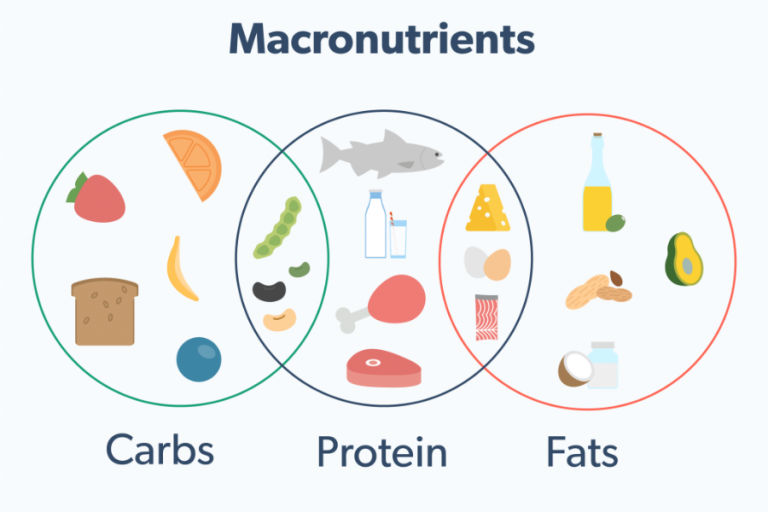
- Lean protein, like chicken, fish, eggs, Greek yogurt, beans
- High fiber carbs, like oats, quinoa, brown rice, whole grain bread
- Healthy fats, like olive oil, nuts, seeds, avocado
- Plenty of vegetables and some fruit
This pattern is similar to a Mediterranean style diet that includes leafy greens, whole grains, healthy fats, and lean protein (Johns Hopkins Medicine, ZOE).
Nutrient dense foods that are rich in protein and fiber help you stay full longer and make your fasting hours much easier (EatingWell, Regeneration Health).
Intermittent fasting works best as a structure that supports healthy eating, not as a way to undo poor food choices.
Avoid common beginner mistakes
When you are learning how to start intermittent fasting, a few predictable traps can slow your progress or make you feel awful. You can sidestep them with some simple habits.
Overeating when you break your fast
If you show up to your first meal extremely hungry and rush through it, it is easy to overshoot your calorie needs. To prevent that, try to:
- Break your fast with a balanced meal, not a sugary snack
- Eat slowly and pause halfway to check if you are already satisfied
- Use a plate instead of picking at food straight from the package
Listening to your hunger cues and stopping when you feel comfortably full can help you avoid overeating and keep your calorie deficit on track (EatingWell).
Eating lots of junk in your window
It can be tempting to treat your eating window like a feeding frenzy. That usually leads to low energy, stalled weight loss, and cravings.
You will feel and perform better if you prioritize balanced, nutrient rich meals with lean protein, healthy fats, whole grains, and vegetables, and leave highly processed foods as occasional extras (Johns Hopkins Medicine, Regeneration Health).
Starting too aggressively
Long fasts like 18/6 or 20/4 and plans like OMAD can look quick and impressive on paper. In real life they often cause fatigue, irritability, or dizziness, especially if you have not prepared your body first (Regeneration Health).
A gradual progression, along with patience and consistency, gives you better results in the long run. Weight loss and metabolic improvements usually show up over weeks and months, not days (Regeneration Health).
Track your progress in simple ways
You do not need to obsess over numbers, but some basic tracking can help you see your progress and stay motivated.
Useful options include (Reddit):
- Taking “before” photos from the front, side, and back in the same clothes and lighting
- Measuring your waist, hips, thighs, or chest every few weeks
- Weighing yourself regularly and looking for a downward trend over time
- Using apps like MyFitnessPal or Zero to log calories, steps, or fasting hours without checking them every few minutes
The goal is to notice big-picture changes, not to chase perfect daily numbers. If the overall trend is moving in the right direction, you are doing enough.
Know when to get medical guidance
Intermittent fasting is not right for everyone, and it can affect women differently, partly because of hormones. You should talk with a healthcare professional before starting or changing your fasting routine if you (Healthline, Regeneration Health):
- Are underweight or have a history of eating disorders
- Are pregnant, breastfeeding, or trying to conceive
- Take medications that must be taken with food
- Have diabetes or blood sugar issues
- Have chronic medical conditions or concerns about your hormones
A provider can help you tailor intermittent fasting to your age, activity level, and health status so that it is safe and effective for you.
Put it all together
Here is a simple way to start intermittent fasting over the next few weeks:
- Week 1: Move to a 12/12 schedule and focus on drinking more water.
- Week 2: Shift to 14/10, add more protein and fiber to each meal.
- Week 3: Try 16/8 on weekdays while tracking your weight and energy.
- Week 4 and beyond: Adjust your fasting window, fine tune your meals, and keep an eye on how you feel and perform.
You do not have to get everything perfect to benefit. If you treat intermittent fasting as a flexible tool, stay patient with your progress, and listen closely to your body, you can use it to support lasting weight loss and better health.
About the Author