A solid intermittent fasting meal plan can make the difference between feeling depleted and feeling energized. Instead of guessing what and when to eat, you can follow a simple structure that supports weight loss, steady energy, and better overall health.
Below, you will learn how intermittent fasting works, how to choose the right schedule, and how to build a realistic meal plan you can actually stick to.
Understand what intermittent fasting really is
Intermittent fasting is not a specific list of foods. It is an eating pattern that alternates between periods of eating and fasting. You focus on when you eat rather than only on what you eat, although food quality still matters a lot. (Johns Hopkins Medicine)
During your fasting window, you typically have:
- Water
- Zero calorie beverages like black coffee and unsweetened tea
During your eating window, experts recommend that you follow a balanced diet similar to a Mediterranean style pattern that includes leafy greens, lean proteins, healthy fats, and whole grains (Johns Hopkins Medicine).
Intermittent fasting can feel unfamiliar at first. Many people need two to four weeks to adjust, and you might notice more hunger or irritability during that time. According to Johns Hopkins, those who get through the adjustment period often report feeling better and are more likely to maintain the routine long term.
Pick an intermittent fasting schedule that fits your life
You have more than one way to structure intermittent fasting. The right plan is the one that works with your schedule and feels sustainable for your lifestyle.
The popular 16/8 method
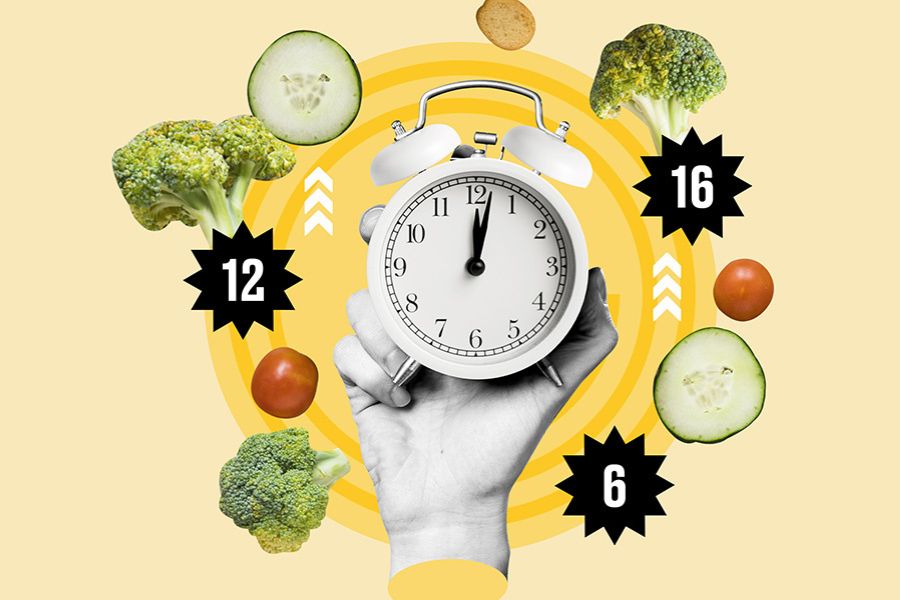
The 16/8 method is one of the most common and sustainable approaches. You fast for 16 hours and eat during an 8 hour window each day. During the 16 hour fast, you can drink water, black coffee, or plain tea to stay hydrated and help manage appetite (Healthline).
Popular eating windows for a 16/8 intermittent fasting meal plan include:
- 12 p.m. to 8 p.m.
- 9 a.m. to 5 p.m.
These options let you either skip breakfast or eat an earlier dinner, depending on what fits your work, family, and social life best (Healthline).
The 5:2 approach
With the 5:2 plan, you eat normally five days per week and limit calories on two non consecutive days. On those two days, you have one smaller meal of about 500 to 600 calories, often placed in the early evening. A common pattern is to eat normally on all days except Monday and Thursday, which are your reduced calorie days (Johns Hopkins Medicine).
If daily fasting windows feel overwhelming, the 5:2 method gives you more flexibility. You still get regular days of normal eating, which can be easier socially and mentally.
How to choose your method
To decide which intermittent fasting meal plan to start with, consider:
- Your work or school schedule
- When you naturally feel hungriest
- Your family meal times
- Social commitments in the evenings or weekends
You can always adjust. Many people start with a 12 hour overnight fast, then move toward 14 or 16 hours as they feel more comfortable (Berry Street).
Focus your meal plan on real, nutrient dense foods
Intermittent fasting can support weight loss in part because you usually eat fewer calories in a shorter window. In one review, 11 out of 13 studies reported statistically significant weight loss among people who practiced intermittent fasting, including 16/8 style plans (Healthline).
However, what you eat is just as important as when you eat. To get the best results, you want to:
- Choose whole, minimally processed foods most of the time
- Include lean protein, healthy fats, and fiber rich carbohydrates
- Limit ultra processed snacks, sugary drinks, and deep fried foods (Healthline)
A 7 day intermittent fasting meal plan from Berry Street, for example, uses meal ideas like scrambled eggs with avocado, grilled chicken salad, salmon with sweet potato, and oatmeal with peanut butter. These foods combine protein, fiber, and healthy fats so you stay satisfied longer during and after your eating window (Berry Street).
Sample 16/8 intermittent fasting meal plan for one day
Use this example as a starting point and adjust portion sizes for your own energy needs. This plan assumes a 12 p.m. to 8 p.m. eating window.
Always talk with your doctor or a registered dietitian before starting intermittent fasting, especially if you have diabetes, take medications, are pregnant, or have a history of eating disorders.
12:00 p.m. First meal
- Scrambled eggs cooked in a small amount of olive oil
- Half an avocado
- Whole grain toast or a small bowl of oatmeal
This combination mirrors examples from Berry Street and gives you protein, healthy fats, and complex carbs so you do not spike and crash (Berry Street).
3:00 p.m. Mid afternoon meal
- Grilled chicken or tofu salad
- Mixed greens, cherry tomatoes, cucumber, and a handful of chickpeas
- Olive oil and lemon dressing
- A piece of fruit, such as an apple or orange
You get fiber from vegetables and chickpeas plus protein for staying power.
6:30 p.m. Evening meal
- Baked or grilled salmon
- Roasted sweet potatoes
- Steamed broccoli or green beans
This type of dinner is similar to the nutrient dense plates highlighted in intermittent fasting plans from Berry Street and keeps you full overnight with a mix of protein, healthy fats, and slow digesting carbs (Berry Street).
During your fasting window
- Water
- Sparkling water with a squeeze of lemon
- Unsweetened tea or black coffee
Staying hydrated is one of the simplest ways to keep hunger manageable, especially in the morning and late evening (Healthline).
Understand the potential health benefits
A well planned intermittent fasting meal plan can offer more than weight loss. According to multiple sources, including Berry Street and Johns Hopkins, you may also see improvements in markers related to blood sugar and heart health.
Blood sugar and insulin
When you go without food for longer stretches, insulin levels drop. Over time, this pattern can improve your insulin sensitivity and reduce the risk of insulin resistance and type 2 diabetes (Berry Street). Your body becomes more efficient at using stored energy instead of constantly relying on incoming sugar.
Heart health
Intermittent fasting may help lower LDL, sometimes called bad cholesterol, and triglycerides, while maintaining or increasing HDL, the so called good cholesterol. The Berry Street 2025 review also points to reduced inflammation markers connected to heart disease risk (Berry Street).
Weight and appetite
By limiting your eating to specific windows, you often naturally eat fewer calories. That is one reason so many 16/8 studies found significant weight loss results (Healthline). You may also notice fewer late night snacks, because your fasting cutoff gives you a clear stopping point.
Be aware of possible side effects and who should avoid fasting
Intermittent fasting is not right for everyone. Some people experience:
- Strong hunger and weakness
- Overeating or bingeing during eating windows
- Changes in mood
- Hormonal shifts that may affect menstrual cycles in some women (Healthline)
If you have a history of disordered eating, are pregnant or breastfeeding, have uncontrolled diabetes, or take medications that must be taken with food at strict times, you should not start intermittent fasting without careful medical supervision.
Before you change your eating pattern in a big way, talk with your doctor. This simple step is especially important if you have chronic health conditions or take prescription medications (Healthline).
Start slowly and build a routine you can maintain
You do not need to jump straight into a long fast on day one. You will likely be more successful if you ease into things and give your body time to adapt.
Practical tips to get started
Berry Street suggests several strategies for safe and effective intermittent fasting that you can apply right away (Berry Street):
- Start with a shorter fast, such as 12 hours overnight, and then gradually extend to 14 or 16 hours
- Drink water and non caloric beverages regularly, especially during the fasting period
- Focus on nutrient dense meals during eating windows so you feel satisfied
- Avoid using your eating window as a reason to overeat or rely on junk food
- Pay attention to how you feel and adjust timing if you are overly fatigued or irritable
Remember that your first intermittent fasting meal plan is just an experiment. You can move your eating window earlier or later, swap meal ideas, or change methods if needed.
Key takeaways
- Intermittent fasting is an eating pattern that focuses on when you eat, and it works best when your meals are built from whole, nutrient dense foods (Johns Hopkins Medicine).
- The 16/8 method is one of the most popular and sustainable options, with flexible 8 hour eating windows like 12 p.m. to 8 p.m. or 9 a.m. to 5 p.m. (Healthline).
- A smart intermittent fasting meal plan emphasizes lean protein, healthy fats, fiber rich carbs, and limits ultra processed foods for better appetite control and weight loss (Healthline).
- Intermittent fasting may support weight loss, improved blood sugar control, and better heart health, but it is not suitable for everyone (Berry Street).
- Starting slowly, staying hydrated, and listening to your body can help you turn intermittent fasting into a sustainable habit rather than a short lived experiment.
If you want to begin today, choose a 12 hour overnight window, such as 8 p.m. to 8 a.m., and simply avoid snacking after dinner. Once that feels comfortable, you can extend your fast or add more structure to your intermittent fasting meal plan.
About the Author