A keto diet before and after transformation can be dramatic, but the story behind those pictures is just as important as the photos themselves. When you look closely at real results, you see patterns in how quickly weight comes off, what it actually feels like to live low carb, and what it takes to maintain your progress once the first month is over.
Below, you will walk through what keto can realistically do for you, week by week, using research and real-world examples so you know what to expect before you commit.
Understand what the keto diet does to your body
To make sense of any keto diet before and after photos, you first need to understand what is happening inside your body.
On a standard diet, you mostly use glucose from carbohydrates for energy. When you cut carbs very low, usually to under about 50 grams per day, your body runs out of easy glucose and starts burning fat for fuel instead. In this state, called ketosis, your liver produces ketones, which become a primary energy source for both your body and your brain (Cleveland Clinic).
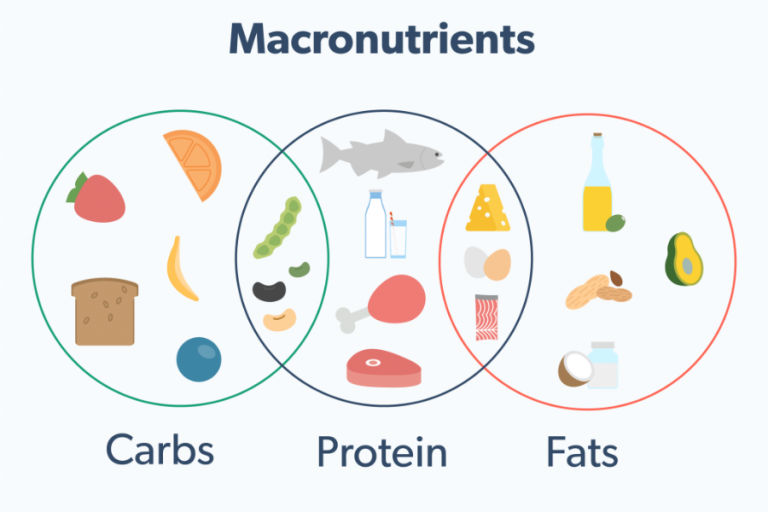
A typical ketogenic diet looks like this (Cleveland Clinic):
- About 70 to 80 percent of calories from fat
- About 10 to 20 percent from protein
- About 5 to 10 percent from carbohydrates
That shift is what drives many of the before and after changes you see, including weight loss, changes in appetite, and sometimes higher energy.
What a real 30 day keto before and after looks like
A 30 day keto diet before and after can be a powerful motivator, but it is helpful to see the full picture, not just the final number on the scale.
One food editor decided to try keto for 30 days before a wedding with a goal of losing 10 pounds. She limited carbs to about 20 grams per day, which is a stricter version of keto than many people follow (EatingWell).
Here is how her month unfolded:
- Within three weeks she passed her original goal and had lost 10 pounds.
- By two days before the wedding she was down a total of 15 pounds.
- After she returned to her normal, higher carb eating, she gained back 4 pounds, which likely reflected water weight returning rather than pure fat gain (EatingWell).
Her experience highlights a few key points you should keep in mind when you imagine your own before and after:
You may lose weight quickly at first, but not all of it is fat. Some of it is water that comes off as your body uses up stored glycogen, which binds to water. When you eventually add back more carbs, some of that water returns, so your “after” weight will fluctuate.
Even with those fluctuations, she still ended up below her starting weight, and she reported some real lifestyle benefits. Her mid afternoon slumps disappeared, and she noticed more consistent energy overall. At the same time, some workouts felt harder because she did not have the same immediate carb-based energy to draw on (EatingWell).
Your 4 week keto timeline: what to expect
Another way to think about keto diet before and after results is to look at a typical four week pattern. Body composition analysis company BodySpec has summarized what many people experience in the first month of keto (BodySpec).
Week 1: Quick losses and keto flu
In your first week of keto, it is common to see a rapid drop of 2 to 10 pounds, mostly from water weight as your glycogen stores deplete (BodySpec). This can make your early before and after photos look impressive even though the fat loss part has barely started.
You may also feel the “keto flu” as your body switches fuel sources. Symptoms can include:
- Headache
- Fatigue and low energy
- Mild nausea or upset stomach
- Brain fog
These temporary side effects are consistent with what medical experts describe as your body adjusting to fat as the primary energy source (Cleveland Clinic).
Week 2: Entering steady fat loss
By week 2, weight loss usually slows to about 1 to 2 pounds, which reflects more genuine fat loss as you settle into ketosis (BodySpec).
This is also when many people start to feel some hallmark keto “after” effects:
- Reduced cravings
- Less hunger between meals
- More stable energy and fewer big highs and lows
- Clearer thinking and focus
If you compare a photo from day 1 to day 14, your face may look less puffy, your midsection a bit flatter, and your clothes a little looser, even if the scale is not dropping quite as fast as in week 1.
Week 3: Noticeable changes in how your clothes fit
In week 3, fat loss tends to continue at about 1 to 2 pounds per week. This is the point when many people say they feel their best on keto (BodySpec).
You might notice:
- Higher energy throughout the day
- Better workouts now that your body is getting used to burning fat
- Deeper sleep
- More visible differences in the mirror, especially around your waist, hips, and face
Even if the total pounds lost do not look dramatic, your “after” at the three week mark often shows a noticeably leaner silhouette.
Week 4: Slower scale changes, bigger body changes
By week 4, it is common for weight loss to slow to 0.5 to 2 pounds per week. Your metabolism may start to adapt, and your body needs fewer calories as you become lighter. At this point, some people worry that their before and after results are stalling, but that is often not the case.
BodySpec notes that even when the scale seems to plateau, your body composition can keep improving. Signs that you are still progressing include (BodySpec):
- Consistently high energy
- Strong appetite control
- Clothing that continues to loosen
- A firmer, more defined midsection
Over a full month, many people lose between 8 and 15 pounds on keto, with roughly 3 to 6 pounds of that being actual fat, especially when they combine the diet with resistance training and eat enough protein to protect muscle (BodySpec).
If you focus only on the number on the scale, you may overlook meaningful changes in your measurements, how your clothes fit, and how you feel day to day.
Common benefits you may notice in your “after”
Looking beyond the photos, your keto diet before and after can include several non scale victories.
Less hunger and fewer cravings
Research suggests that ketosis can reduce hunger, which makes it easier for you to naturally eat less without feeling deprived (Cleveland Clinic). Many keto success stories, including the food editor’s experience, mention smaller appetites and fewer urges to snack.
Targeted fat loss around your midsection
Keto may help you lose more visceral fat, the deep belly fat linked to higher health risks. At the same time, adequate protein and some resistance training can help preserve lean muscle mass, so your body looks and feels firmer even if the scale is not dropping dramatically (Cleveland Clinic).
More stable energy and focus
Once the initial adaptation phase passes, many people report more even energy and better focus on keto. The food editor noticed that her usual mid afternoon energy crashes disappeared, which made her workdays feel smoother (EatingWell).
This benefit is also supported by research that links ketosis to increased energy and improved mental clarity for some people (Cleveland Clinic).
Challenges and side effects to take seriously
Before you chase a striking keto diet before and after transformation, you should also understand what can be difficult about this way of eating.
Keto flu and digestive changes
As your body switches from burning carbs to burning fat, you might feel “off” for a few days. Common early side effects include:
- Headache
- Fatigue
- Nausea or upset stomach
- Constipation
- “Keto breath,” a distinct fruity or metallic smell
These are all described in medical overviews of ketosis and are typically short term as your body adapts (Cleveland Clinic).
Highly restrictive food choices
To reach and stay in ketosis, you usually need to keep carbs under about 50 grams per day, and some plans go as low as 20 grams. That means sharply cutting back or temporarily avoiding many foods, including most bread, pasta, rice, cereals, fruits, and higher carb vegetables (Cleveland Clinic).
The food editor found this aspect challenging. Her meals became repetitive, centered around cheese, eggs, bacon, steak, and chicken, and she had to plan carefully to stay at 20 grams of carbs per day (EatingWell).
Tougher workouts on some days
Because you have less quick access to carb energy, some workouts, especially high intensity ones, can feel harder at first. The editor noticed this when her usual exercise routine felt more demanding while she adjusted to the diet (EatingWell).
Not ideal as a permanent lifestyle for everyone
Several nutrition experts caution that keto is not usually recommended as a long term approach for most people because of how restrictive it is. Dietitian Scott Keatley, RD, notes that it is generally not a good idea to follow keto indefinitely (Women’s Health).
Because of these factors, it is important to talk with your doctor before starting a ketogenic diet, especially if you have existing health conditions, take medications, or have a history of disordered eating. Women’s Health also emphasizes the importance of medical guidance before committing to such a strict way of eating (Women’s Health).
How to make your own keto before and after a success
If you decide to try keto, a little planning can make your experience smoother and your results more sustainable.
Set realistic expectations
Based on the timelines and case studies above, a reasonable expectation for your first month on keto might be:
- Total loss of about 8 to 15 pounds
- Roughly 3 to 6 pounds of actual fat loss, with the rest mostly water, depending on your starting point and consistency (BodySpec)
Rather than focusing only on the scale, pay attention to:
- How your clothes fit
- Your waist circumference and other measurements
- Your energy, sleep, and focus
- Your mood and cravings
These details will tell you more about your true “after” than a single number.
Build a meal structure you can follow
Because keto is so low in carbs, mapping out a simple meal structure for yourself is crucial. Use a mix of:
- Healthy fats, such as olive oil, avocado, nuts, and seeds
- Protein sources like eggs, poultry, fish, tofu, and meat
- Low carb vegetables such as leafy greens, broccoli, cauliflower, and zucchini
The food editor’s experience shows that if you do not plan ahead, it is easy to fall into a rut of eating the same few foods, which can make keto feel harder than it needs to be (EatingWell).
Support your body during the transition
To ease the early side effects and keto flu, you may want to:
- Drink plenty of water
- Get enough electrolytes such as sodium, potassium, and magnesium
- Prioritize sleep
- Reduce intense workouts for a few days if you feel run down
These steps can help you get to the “after” phase where energy and mental clarity often improve.
Plan for what happens after “after”
One of the most overlooked parts of any keto diet before and after story is what happens when you change how you eat again.
The food editor planned to use keto periodically as a reset to cut back on sugar and refined carbs, not as a year round lifestyle (EatingWell). When she reintroduced more carbs, she did regain some water weight, which is normal, but she still ended up leaner than when she started.
You might choose to:
- Stay on keto a bit longer, if your doctor agrees it is appropriate for you
- Transition to a more moderate, lower sugar eating pattern
- Use what you learned about your hunger, cravings, and energy to shape a long term plan
Whatever you decide, think of keto as one tool for reaching your goals, not the only way to care for your health.
Bringing your keto before and after into focus
A powerful keto diet before and after is about more than a striking side by side photo. It is about understanding what is realistic in four weeks, how your body feels as it shifts into ketosis, and what kind of lifestyle you want once the strict phase is over.
If you are curious, you might start with a clear 30 day trial, track both your physical changes and how you feel, and then use that information, together with your doctor’s advice, to decide whether keto fits into your longer term health plans.
About the Author