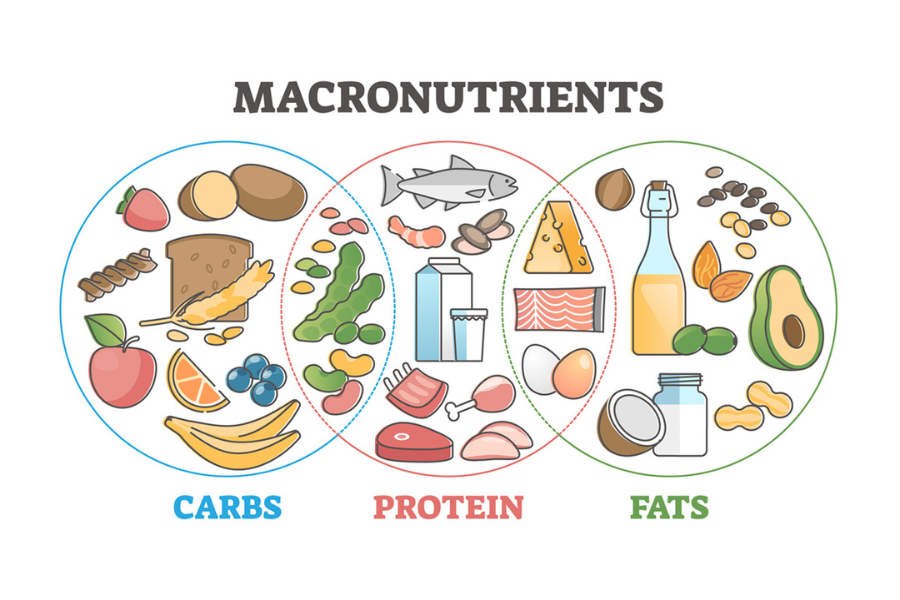
Macronutrient timing for performance is one of those topics that sounds advanced but boils down to a simple idea: what you eat and when you eat it can make your workouts feel easier, your recovery faster, and your results better. You do not need a bodybuilder meal plan to benefit from it. You just need a basic structure around your carbs, protein, and fats during the day and around training.
Below, you will see how to use smart macronutrient timing to support strength, endurance, and everyday workouts without obsessing over every snack.
Understand what macronutrient timing actually is
Macronutrient timing is the practice of eating carbohydrates, protein, and fats at specific times around exercise to improve performance, recovery, and adaptation to training. Sports nutrition researchers describe it as manipulating intake before, during, and after workouts to influence strength, body composition, and energy use (NASM, PMC).
You are not trying to hack your metabolism in a magical 30 minute window. Instead, you are creating a routine where your body has:
- Enough carbs when you train hard
- Enough protein throughout the day to build and repair muscle
- Enough total energy to avoid the under fueled, low testosterone, low motivation spiral
Think of it as giving your body the right fuel at the right time, instead of throwing everything at it randomly.
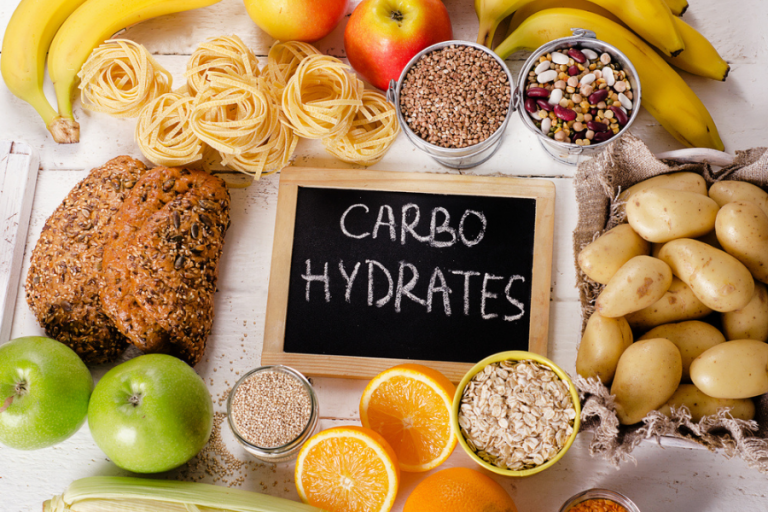
Use carbs strategically for energy
Carbohydrates are your main fuel during workouts, especially as intensity goes up. The harder you push, the more your muscles rely on carbs stored as glycogen (eatright.org).
Before your workout
If you often feel flat, light headed, or like your legs never wake up, your pre workout carbs are probably off.
Research suggests that eating about 0.5 to 2.2 grams of carbohydrate per kilogram of body weight in the hours before exercise helps top off glycogen and improves performance, especially for hard or long sessions (PMC). More practical guidance from Michigan State University recommends about 4.5 to 18 grams of carbs per 10 pounds of body weight, 1 to 4 hours before training, adjusting the amount and timing based on how close you are to your workout (MSU Extension).
If that sounds like a lot of math, simplify it like this:
- 2 to 4 hours before a tough workout, aim for a balanced meal that is mostly carbs with some lean protein and low fat
- 1 hour before, use a smaller, mostly carb snack that sits well in your stomach
The Academy of Nutrition and Dietetics and NASM both point out that this meal should prioritize carbs with some protein and limit fat and fiber to reduce stomach issues (eatright.org, NASM Blog).
During your workout
For sessions under 45 to 60 minutes, you usually do not need extra carbs during the workout unless you are training very hard on low glycogen.
Once you pass about an hour of continuous work, small amounts of carbs help keep your blood sugar stable and your brain focused. Guidelines suggest:
- About 30 to 60 grams of carbohydrate per hour for exercise sessions up to 2.5 hours, using easy to digest sources like sports drinks or gels (MSU Extension, NASM Blog)
- For very long, high intensity endurance sessions over 2 hours, higher intakes of 90 to 144 grams per hour using mixed carb sources like glucose and fructose can maximize carb use and reduce fatigue (PMC)
You do not need to hit these numbers exactly. The key is to practice on training days, not race or game days, so you can find what your stomach tolerates.
After your workout
Post workout, your muscles are ready to refill glycogen. Carbs help you recover so you can train hard again sooner.
Some evidence supports consuming about 1.0 to 1.5 grams of carbohydrate per kilogram of body weight within the first 2 hours after intense exercise, then continuing with carbs for several more hours to maximize glycogen resynthesis (PMC, NASM Blog). Michigan State University suggests about 0.45 to 0.55 grams of carbs per pound of body weight after training (MSU Extension).
You do not need to crush sugar, but some moderate to higher glycemic carbs right after a very tough session can speed refueling. Think potatoes, white rice, cereal, sports drinks, or fruit juice combined with protein.
Time your protein to build and protect muscle
If you care about keeping or building muscle while training hard, protein is non negotiable. Timing it well makes it more effective.
Spread protein evenly during the day
The International Society of Sports Nutrition notes that evenly spaced protein feedings of about 20 to 40 grams every 3 hours support muscle protein synthesis and body composition gains (PMC – ISSN Position Stand). NASM also finds that 20 to 40 grams of protein every 3 to 4 hours helps maximize muscle protein synthesis (NASM).
Instead of loading all your protein into one massive dinner, aim to get a good dose at breakfast, lunch, your pre or post workout meal, and dinner.
Protein before exercise
A moderate serving of protein before you train can limit muscle breakdown and provide amino acids for repair. Research suggests that about 0.3 to 0.35 grams of protein per kilogram of body weight before exercise may enhance post exercise muscle protein synthesis (PMC).
Michigan State University recommends 10 to 40 grams of protein before exercise to slow digestion of carbs and extend energy, but warns against very high protein meals right before training to avoid indigestion (MSU Extension).
So a pre workout meal that includes some lean protein 1 to 4 hours before training is a strong move, especially if you will not be able to eat immediately afterward.
Protein after exercise
Post workout protein is one of the most supported aspects of nutrient timing. Several organizations note that:
- 20 to 40 grams of high quality protein within about 2 hours of training stimulates muscle protein synthesis and supports gains in strength and body composition (PMC – ISSN Position Stand)
- 15 to 25 grams of protein combined with carbs within 30 minutes to an hour after training supports recovery and muscle repair (NASM Blog, eatright.org)
- Around 20 grams of protein in the 45 minute anabolic phase after training can help muscle repair and reduce protein breakdown (ISSA)
You may have heard of a tiny “anabolic window,” but newer research suggests it is more like a wide “garage door of opportunity” across several hours that includes both your pre and post workout meals (PMC). If you had a solid pre workout meal with carbs and protein, you do not need to panic if you cannot hit protein within 20 minutes. Just aim to eat a carb plus protein meal within a couple of hours.
Liquid shakes can be handy here because they are quick to digest and help with rehydration too (eatright.org).
Handle fats and fiber so they work with you
Fat and fiber are important for overall health and hormone function, but their timing around training matters if you want your stomach to cooperate.
USADA notes that high amounts of protein, fiber, and fat 1 to 2 hours before exercise can cause cramps, bloating, and discomfort. The advice is to avoid large servings of these in that immediate pre exercise window and focus on lower fiber, carb rich foods instead (USADA).
This does not mean you cut fat and fiber out of your diet. It means you:
- Eat most of your higher fiber foods and healthy fats at meals that are at least 2 hours away from hard training
- Keep your closer pre workout snack lower in fiber and fat, for example choosing a banana or bagel over a huge salad with nuts
Outside of that narrow pre training window, you want enough fat and fiber for appetite control, nutrient absorption, and long term health. USADA notes that you can even increase intake of these nutrients on lower intensity or off days to make up for the times you cut them back close to training (USADA).
Build a simple around workout routine
You do not need a complex schedule. A basic structure works for most men who train 3 to 6 times per week.
Here is an example template you can adjust:
-
3 to 4 hours before training
Have a full meal with plenty of carbs, 20 to 40 grams of protein, some healthy fats, and moderate fiber. NASM suggests 1 to 4 grams of carbs per kilogram of body weight in this pre exercise window for high intensity sessions (NASM). -
1 hour before training
If you need something closer to your session, choose a smaller, mostly carb snack with low fiber and fat, for example a banana, toast with jam, a sports drink, or a low fiber cereal. USADA suggests fruits like bananas, melons, or lower fiber grains here (USADA). -
During training
- Under 60 minutes: sip water, and maybe a small carb drink if you feel better with it
- Over 60 minutes: aim for 30 to 60 grams of carbs per hour from drinks, chews, or gels (MSU Extension, NASM Blog)
-
Within 2 hours after training
Combine carbs and protein. For example, a plate with rice or potatoes and chicken, or a sandwich with lean meat and fruit on the side. Targets that show benefits include about 1.0 to 1.5 grams of carbs per kilogram plus 20 to 40 grams of protein, or roughly 1 gram of carbs and 0.5 grams of protein per kilogram as suggested by NASM (PMC, NASM). -
The rest of the day
Eat every 2 to 4 hours instead of going long stretches without food. USADA notes that long gaps encourage under fueling all day and overeating at night. Regular meals and snacks with protein and complex carbs support fuel stores and recovery (USADA, PubMed).
If you are not sure where to start, tighten up your pre and post workout meals first, then work on the rest of your day.
Do not forget hydration and electrolytes
Even the best macronutrient timing will not help if you are dehydrated. Hydration underpins performance, blood volume, and temperature regulation.
Sports nutrition guidelines recommend:
- Drinking before you are thirsty in the hours before exercise
- Using carb electrolyte drinks during prolonged or intense training to maintain fluid and fuel levels
- Replacing about 19 to 23 ounces of fluid per pound of body weight lost during exercise in the hours after training (MSU Extension, NASM Blog)
A simple approach is to sip water consistently through the day, have a glass with each meal, and weigh yourself occasionally before and after long sessions to see how much fluid you actually lose.
Adjust for your body, schedule, and goals
You will see ranges and numbers in nutrient timing research, but you are not a spreadsheet. Your stomach, schedule, and goals matter.
USADA emphasizes experimenting with foods and timing on non competition days to figure out what actually feels good for you (USADA). That might mean you:
- Do better with a bigger meal 3 hours before training and only water closer to start
- Prefer a lighter meal and then a small snack 45 minutes before
- Need to move most of your fats and fiber to breakfast and dinner because lunchtime training gives you trouble
If your main goal is muscle and strength, you may focus more on protein distribution and total calories, using nutrient timing to give you energy around heavy lifting. If you are training for endurance, carb timing becomes more critical, especially before and during long sessions (PubMed).
The research is clear that good macronutrient timing for performance can:
- Enhance recovery and muscle protein synthesis (PMC – ISSN Position Stand)
- Improve endurance and high intensity performance when carbs are timed well before and during exercise (PMC, NASM)
- Reduce injury risk and binge type eating by preventing long stretches without food (USADA, NASM Blog)
You do not need to change everything at once. Start small. For your next few workouts, try this:
- Eat a carb plus protein meal 2 to 3 hours before you train
- Have a lower fiber carb snack if you are hungry 45 to 60 minutes before
- Finish the session with a carb plus protein meal or shake within a couple of hours
Notice how your energy, strength, and recovery feel over a week or two. Then tweak the details. Over time, macronutrient timing becomes less like a diet rule and more like a simple, supportive routine that helps you get more out of every workout.
About the Author