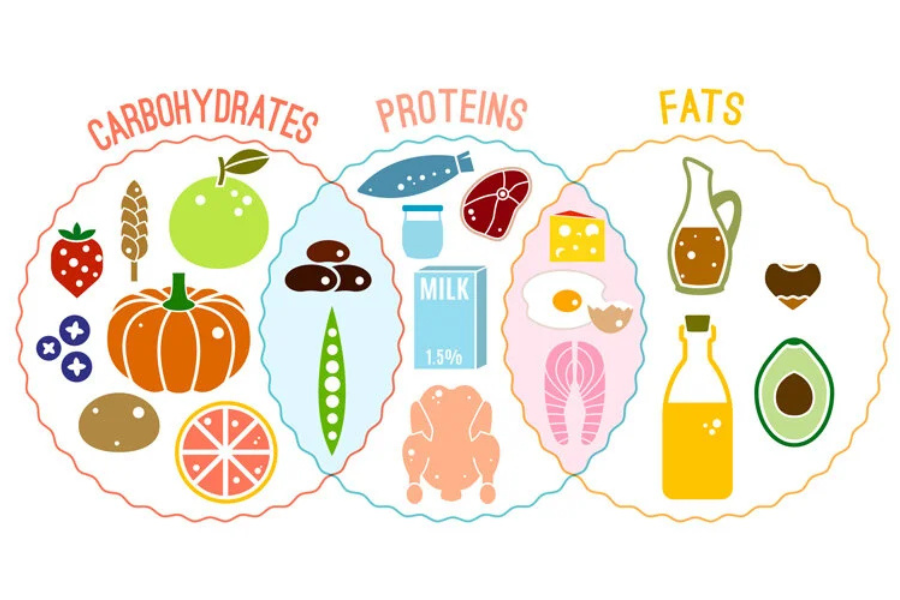
Macronutrient breakdown for athletes is not just a numbers game. The way you split your carbs, protein, and fat can be the difference between feeling flat in a workout and hitting a personal best. When you understand how each macro works and how to adjust them around your training, you give yourself a real performance edge, not just a better looking plate.
Below, you will walk through what each macronutrient does, science backed ranges for athletes, and how to turn the theory into meals that work for your body and your goals.
Understand what macronutrients actually do
You hear about carbs, protein, and fat all the time, but for athletic performance each one has a specific job.
Carbohydrates are your primary fuel for high intensity work. They are stored as glycogen in your muscles and liver and are burned quickly when you sprint, lift heavy, or push a hard interval. A panel of sports nutrition experts called carbohydrates the indispensable macronutrient for high intensity performance, because your body can metabolize them rapidly to feed fast twitch muscle fibers during strenuous exercise (Nutrition Today).
Protein is your repair crew. It helps rebuild muscle after training, supports hormone production, and maintains your immune system. As your training volume or intensity rises, your protein needs go up as well, which is why organizations like the American College of Sports Medicine and the International Olympic Committee recommend more protein for athletes than for sedentary adults (Sports Health).
Dietary fat is your long burn fuel and structural support. It provides a dense source of energy, helps absorb fat soluble vitamins, and supports cell membranes and hormone production. During light to moderate exercise that lasts more than 20 minutes, fat gradually supplies about half of your energy needs, especially as intensity stays moderate and duration increases (Herbalife, Utah State University Extension).
When you get the macronutrient breakdown for athletes right, these three work together. Carbs drive effort, protein supports recovery, and fat keeps you going over the long haul.
Learn how training intensity affects fuel use
Your body does not use the same fuel mix for every workout. The harder you go, the more you rely on carbohydrates. The longer and easier you go, the more fat chips in.
For low intensity activity, like an easy jog or casual cycling, you burn a higher percentage of fat. During a one hour easy run, your total calories come from a mix of carbs and fat, often close to a 50 50 split, and only the carbohydrate portion needs quick replacement after you finish (Race Smart).
When you hit high intensity zones, such as interval training, sprint work, or heavy lifting, your muscles shift to carbohydrates. At these intensities, glycogen in your muscles and glucose in your blood become the primary fuel.
This is why very low carbohydrate or strict ketogenic diets can become a problem if you perform frequent high intensity training. Research shows that low carbohydrate, high fat approaches can increase the capacity to burn fat at moderate intensities, but they limit your ability to efficiently burn carbohydrates at higher intensities, which can impair performance when you need top speed or power (TrainingPeaks, Nutrition Today).
Instead of locking into one static ratio, you get better results if you adjust your carbohydrate intake based on your training demands, sometimes called a periodized or fuel for the work required strategy (GSSI).
Use evidence based macro ranges as your base
Rather than guessing, you can start with the ranges sports nutrition researchers and organizations use, then personalize from there.
Carbohydrate guidelines
Your carbohydrate needs are mostly driven by your training volume and intensity. In general, recommendations for athletes range from 3 to 12 grams per kilogram of body weight per day (Sports Health):
- Light activity: about 3 to 5 g per kg per day
- Moderate to high training loads: about 5 to 8 g per kg per day
- Very intense or long duration training: up to 8 to 12 g per kg per day
Endurance athletes are often advised to scale carbs higher in the 36 to 48 hours before long events. For races lasting more than 90 minutes, carbohydrate intakes of 7 to 12 g per kg body mass in the day or two prior help saturate glycogen stores (GSSI).
Protein guidelines
Most men who train regularly need more protein than the general population, but you do not need extreme amounts. Across major organizations, intake recommendations for athletes generally sit between 1.2 and 2.0 grams per kilogram of body weight per day, with higher amounts used during periods of heavy strength training or fat loss (Sports Health, Journal of the ISSN).
The Mayo Clinic notes that 1.1 to 1.5 g per kg works for regular exercisers, while 1.2 to 1.7 g per kg suits those training specifically for running, cycling, or lifting weights (Mayo Clinic Health System).
Instead of dumping all that protein into one giant dinner, aim to spread it out. Consuming about 15 to 30 grams of protein in each meal or snack supports muscle maintenance and performance, and eating far beyond about 40 grams at once does not offer extra benefit for most people (Mayo Clinic Health System).
Fat guidelines
For athletic performance and overall health, fat should not be extremely low. Most sports nutrition guidelines suggest 20 to 35 percent of your daily calories from fat, with a minimum of about 15 to 20 percent to support hormones and essential body functions (Sports Health).
For endurance runners, that often translates to roughly 0.5 to 1.5 grams of fat per kilogram of body weight daily (Utah State University Extension). Going much below 20 percent of calories from fat can actually harm performance and carry health risks over time.
Most of your fat should come from unsaturated sources like olive oil, nuts, seeds, avocados, and fatty fish. These provide essential fatty acids and can reduce inflammation, ease muscle soreness, and support recovery (Herbalife, Utah State University Extension).
Aim for a realistic everyday macro split
If you prefer to think in percentages instead of grams, you can still translate the research ranges into an everyday target. Many male athletes perform well within these general zones:
- Carbohydrates: about 40 to 60 percent of total calories
- Protein: about 20 to 25 percent of total calories
- Fat: about 20 to 30 percent of total calories
These ranges line up with guidance from sports nutrition sources that highlight the importance of balance over any single macro, noting that the right ratio helps stabilize blood sugar and insulin, reduces cravings, and supports body composition and performance (Race Smart).
The key is to adjust within those ranges based on what you actually do:
- If you are in a heavy strength phase, you might sit at the higher end of protein and moderate carbs.
- If you are preparing for long endurance events, you will likely push carbs up and keep fat moderate.
- On lighter training or rest days, you can dial carbohydrates down slightly and bring fats up, while keeping protein steady.
Time your macros around training
Once you know your daily totals, you can improve performance further by timing what you eat before, during, and after workouts.
Before training or competition
You want to start a session with enough stored glycogen and stable blood sugar, not feeling heavy or hungry. Guidelines for pre competition carbohydrate intake suggest about 1 to 4 grams per kilogram of body mass in the 1 to 4 hours before intense exercise (GSSI).
In practice, that might look like:
- A larger carb based meal 3 to 4 hours out if you have time
- A smaller snack 1 to 2 hours before, such as toast with banana or a small bowl of oatmeal
Keep fat and fiber moderate in this window, especially if you have a sensitive stomach. Runners in particular are advised to limit fat within 1 to 2 hours of training to reduce the chance of gastrointestinal distress (Utah State University Extension).
During longer sessions
If your workout or race lasts up to about 60 minutes, water is usually enough. For efforts between 1 and 2.5 hours, taking in 30 to 60 grams of carbohydrate per hour has been shown to maintain performance. For very long events over 2.5 to 3 hours, intakes up to about 90 grams per hour, from mixed carbohydrate sources like glucose and fructose, can be beneficial (GSSI).
Sports drinks, gels, chews, or simple foods like low fiber bars can all work, as long as you practice with them in training to avoid stomach issues.
After training
The first few hours after intense or long exercise are prime time to refill glycogen and kick start recovery. Research suggests that moderate to high glycemic carbohydrates at about 1.0 to 1.2 grams per kilogram of body mass per hour for the first 4 hours can speed glycogen resynthesis, especially if you have another hard effort coming up soon (GSSI, Nutrition Today).
Pair those carbs with protein to support muscle repair. Timing protein intake around your exercise session, both before and after, has been shown to enhance muscle protein synthesis, improve recovery, support immune function, and even reduce soreness and medical visits in intense training settings (Journal of the ISSN).
A simple strategy is to aim for a meal or substantial snack within about 2 hours of finishing, containing both carbohydrates and 20 to 30 grams of protein.
Choose foods that match your goals
Numbers matter, but the foods you pick to hit those numbers matter just as much. You will get more from your training if most of your macros come from whole, minimally processed sources.
For carbohydrates, focus on whole grains, fruits, vegetables, and starches like oats, rice, potatoes, and pasta. These support glycogen stores and provide vitamins, minerals, and fiber. Expert panels often point to potatoes, rice, and pasta as useful carbohydrate staples for serious athletes (Nutrition Today).
For protein, lean animal sources and plant based options both work. Health organizations recommend options like:
- Skinless poultry, fish, and lean cuts of meat
- Eggs and low fat dairy
- Soy products, beans, lentils, nuts, and seeds
Most athletes actually meet or exceed their protein needs through food alone because their overall calorie intake is higher, so you usually do not need multiple supplements as long as you eat balanced meals across the day (Mayo Clinic Health System).
For fats, prioritize unsaturated sources. Olive oil, avocado, nuts, seeds, and fatty fish give you essential fatty acids and can help reduce inflammation, improve recovery, and support cardiovascular health. Sports and university guidance consistently recommends keeping saturated fat below about 10 percent of calories and avoiding trans fats entirely (Sports Health, Utah State University Extension).
One simple rule of thumb: build each meal around a quality protein, a fiber rich carbohydrate, a source of healthy fat, and some colorful plants. Then tweak portion sizes to match your training.
Put it all together for your athletic edge
You do not need to weigh every gram forever to benefit from a smart macronutrient breakdown for athletes. Start with evidence based ranges, notice how your body responds, and adjust.
If your legs feel heavy and you fade in high intensity work, you may need more carbohydrates around those sessions. If you are constantly sore or not gaining strength, bumping protein up toward the higher end of the recommended range can help. If your hormones, mood, or endurance suffer on a very low fat diet, it is a sign to bring healthy fats back into the picture.
Over time, you will learn what mix of carbs, protein, and fat helps you show up to training with energy, recover well afterward, and stay healthy. That is your athletic edge, and it starts with how you fuel your body every day.
About the Author