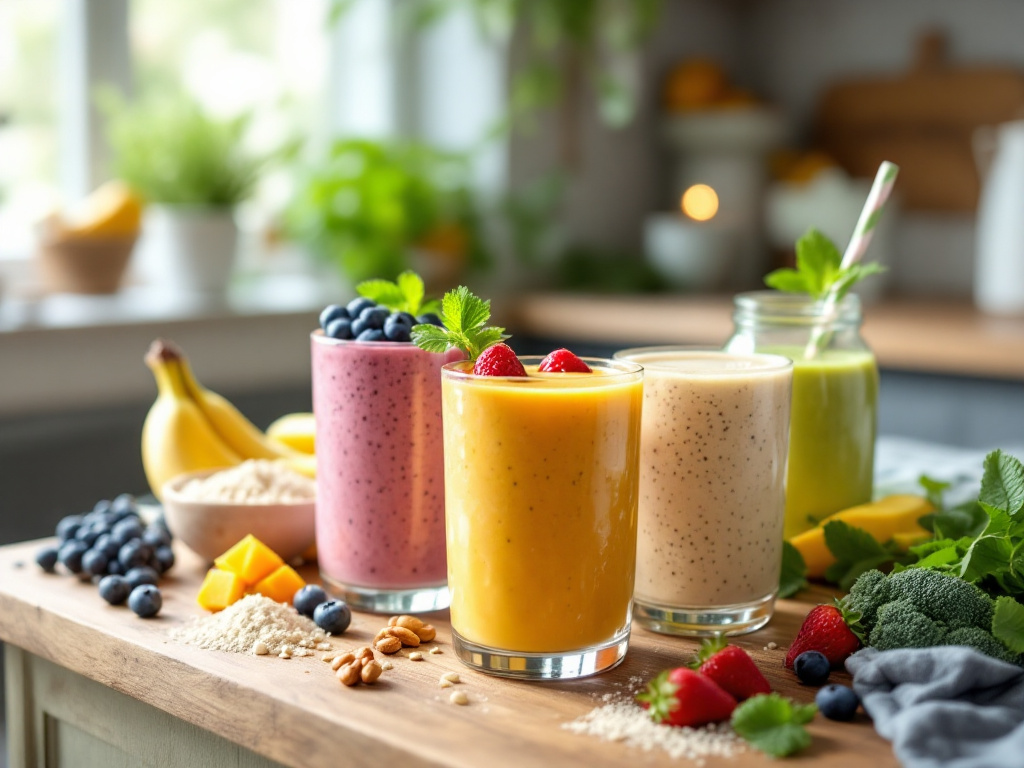
Image by Flux
A solid workout does not end when you rack the weights or step off the treadmill. What you drink in the first hour after exercise has a big impact on how quickly you recover and how strong you feel the next time you train. That is where smart, protein-packed post-workout smoothie recipes come in.
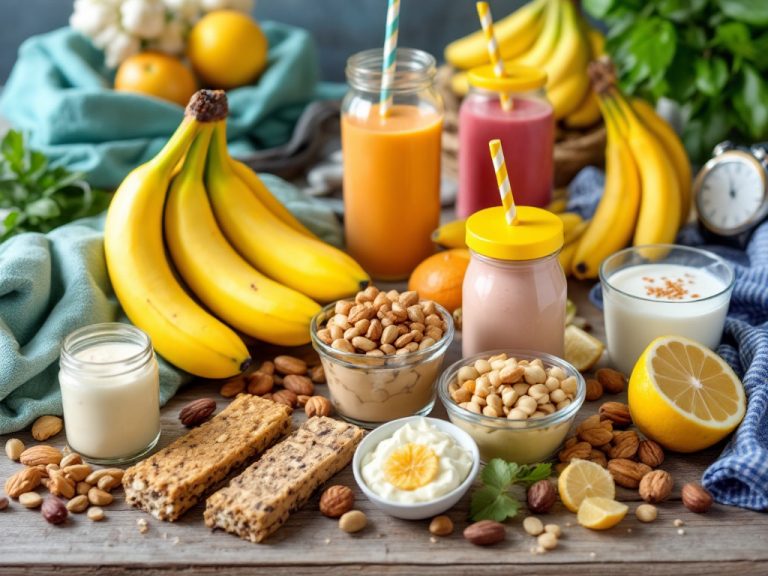
A good post-workout smoothie gives you protein, carbohydrates, and fluids in one quick drink. It is easier to digest than a full meal and you can adjust the ingredients to match your goals, whether you want more muscle, better performance, or just less soreness the next day.
Why a post-workout smoothie works so well
When you train, your muscles use stored glycogen for fuel and develop tiny microtears that need to be repaired. Post-workout nutrition helps you rehydrate, refill those glycogen stores, and rebuild muscle tissue so you get stronger instead of just tired out (Blendtopia).
Smoothies are a smart choice after training because they can:
- Deliver high quality protein to repair and build muscle
- Top up carbohydrates to restore your energy
- Replace fluids and electrolytes lost through sweat
- Add vitamins, minerals, and antioxidants to fight inflammation and support joints (Emerald City Smoothie)
If you build your smoothies with whole fruits and vegetables instead of juice, and use dairy or soy milk for extra protein, you also get the fiber and healthy fats that keep your energy steady instead of crashing an hour later (Men’s Health).
How much protein you really need
To build or maintain muscle, many coaches now suggest aiming for at least 1 gram of protein per pound of your target body weight across the full day. For example, if you want to sit at 185 pounds, you would aim for 185 grams of protein or more spread throughout your meals and snacks (Men’s Health).
Your post-workout smoothie is a great time to get a solid chunk of that total. Around 20 grams of protein after exercise is enough to kickstart muscle repair and growth for most people, especially when you combine it with carbohydrates (Blendtopia).
Protein also helps your body store glycogen more efficiently when you pair it with carbs, which means better refueling for your next training session (Blendtopia).
Key ingredients for a recovery smoothie
You do not need a complicated recipe to make a powerful recovery drink. You just need four building blocks.
1. Protein base
Your protein is the main “repair” ingredient. You can use:
- Whey or casein protein powder
- Vegan powders such as pea, hemp, or mixed plant blends
- Greek yogurt or kefir
- Milk or soy milk for extra protein in your liquid
Vegan protein powders work well if they are raw, organic, and free of added sugars. Hemp and Garden of Life style blends are often recommended for muscle repair after intense sessions (Simply Quinoa).
2. Carbohydrates for glycogen
Carbs are your refuel source. Whole fruits and starchy add-ins work best:
- Banana, mango, pineapple, or berries
- Oats or cooked, cooled quinoa
- Dates or a splash of 100 percent juice
Recipes built around bananas, berries, and other fruits provide “good” carbohydrates and potassium to help replenish glycogen and support recovery (Simply Quinoa).
3. Healthy fats and extras
A small dose of healthy fat slows digestion just enough to give you steady energy:
- Peanut, almond, or cashew butter
- Walnuts, hemp seeds, or chia seeds
- Avocado
- Coconut milk in moderation
These ingredients also supply essential fatty acids, antioxidants, and micronutrients that support joint health and reduce inflammation, especially useful after high intensity training (Emerald City Smoothie).
4. Hydrating liquid
Choose a liquid that adds more than just volume:
- Water or ice for fewer calories
- Coconut water for electrolytes and potassium
- Dairy milk or soy milk for protein
- Almond milk or oat milk if you are lactose intolerant or vegan (Nutrition Twins)
Raw, unpasteurized coconut water can be especially helpful after hard sessions because it is rich in electrolytes that support rehydration and recovery (Simply Quinoa).
When to drink your smoothie
Timing does not need to be perfect to see results, but there is a window when your body seems to use nutrients more efficiently. Many sports dietitians recommend drinking a post-workout smoothie within 30 minutes to 2 hours after training for the best combination of protein and carbohydrate uptake (Aaptiv).
If you know you are heading straight from the gym to work or errands, prepping your ingredients in advance can help. Some companies even offer frozen, pre-portioned smoothie kits that include fruits, vegetables, and superfoods such as hemp seeds, chlorella, maca powder, and milled flax seeds. You just add your protein powder and liquid, then blend (Blendtopia).
Protein-packed smoothie recipes to try
Use the recipes below as a starting point, then adjust the exact amounts to match your calorie and macro needs.
1. Peanut butter banana power shake
This classic combo tastes like dessert but is built for recovery.
- Whey based protein powder
- Peanut butter
- Frozen or fresh banana
- Milk or milk alternative
- Ice, as needed
The mix of protein powder, peanut butter, and banana creates a creamy texture and delivers healthy carbohydrates for muscle growth and repair (Gainful).
You can keep this one simple, or add oats for extra carbohydrates if you have had a tough leg day.
2. Strawberry coconut recovery shake
If you prefer something lighter and fruity, try a strawberry and coconut blend.
- Whey or plant based protein powder
- Coconut milk
- Strawberries, fresh or frozen
- Water or ice to thin, if needed
Coconut milk brings healthy fats and some carbs, while strawberries add natural sweetness and a creamy feel once blended. You can easily change the flavor by switching your protein powder base from vanilla to chocolate or berry (Gainful).
3. Green muscle builder smoothie
You can get your greens and your protein in one drink.
- Pea or other vegan protein powder
- A big handful of spinach
- Optional extra greens like kale
- Half an avocado or a spoonful of nut butter
- Banana or mango for sweetness
- Almond milk or water
Spinach brings vitamins and minerals that support overall body function and may help with eyesight. Adding avocado or more leafy greens builds a nutrient dense shake that still tastes good when paired with fruit and a solid protein source (Gainful).
4. Chocolate berry protein blast
If you want something that feels like a treat after a hard session, go for chocolate and berries.
- Chocolate protein powder
- Mixed berries, fresh or frozen
- Milk or milk alternative
- A few walnuts or hemp seeds
This combination delivers the protein and carbohydrates your muscles need to repair and strengthen, especially if you drink it within 30 minutes to 2 hours after your workout (Aaptiv). The berries add antioxidants that may help reduce exercise related inflammation.
5. Tart cherry workout recovery smoothie
This one is designed to help ease soreness after heavy training.
- Vanilla protein powder
- Tart cherries
- A splash of pomegranate juice
- A small piece of cooked beet
- Walnuts
- Water or ice
One version of this “Workout Recovery Smoothie” gives you around 25 grams of protein in only 233 calories and uses ingredients linked with reduced post exercise pain and faster muscle recovery (Men’s Health).
If you find the flavor too strong, add half a banana or a few berries to sweeten it slightly.
Small tweaks for your body and goals
You do not have to follow any recipe perfectly. The best post-workout smoothie recipes are the ones you will actually make and drink consistently. A few simple adjustments can help you fit them to your own body and preferences.
If you have a nut allergy, you can substitute seed butters such as sunflower butter or soy nut butter in place of peanut or almond butter and still get healthy fats and flavor (Nutrition Twins).
If you are lactose intolerant or vegan, use almond milk, coconut milk, or soy milk instead of dairy. Just remember that soy milk has more protein than many other alternatives, so it can boost your total intake more easily (Nutrition Twins).
If you want to keep carbohydrates lower, lean more on leafy greens, low sugar fruits like berries, and unsweetened plant milks. If you need more calories and carbs to support intense training, add oats, extra banana, or mango.
Making smoothies part of your routine
The more automatic your post-workout routine is, the easier it becomes to hit your nutrition goals. Try prepping smoothie packs on the weekend. Portion your fruit, greens, and extras into freezer bags or containers so all you have to do after training is tip them into a blender, add protein powder and liquid, and blend.
Daily smoothies can be a convenient way to get antioxidants, amino acids, vitamins, and minerals that support joint health, reduce inflammation, and keep you performing at your best, especially if you train hard and often (Emerald City Smoothie).
Pick one recipe from this list and make it after your next session. Notice how you feel the following day. If you wake up a little less sore and a little more ready to move, that is your body telling you your post-workout nutrition is finally working for you.
About the Author