Image by Flux
Protein intake before workout is one of those topics that can feel more confusing the more you read about it. Some sources tell you timing is everything, others say it does not matter at all as long as you hit your daily protein goal. The truth is closer to the middle, and once you understand a few basics, you can build a routine that supports your strength, performance, and recovery without obsessing over the clock.
Below, you will learn what protein does around exercise, how much you really need, when to eat it, and how to adjust based on your training style.
Why protein before a workout matters
When you lift weights or push through a hard conditioning session, you put stress on your muscles. Exercise breaks down muscle proteins, and your body needs amino acids to repair and rebuild that tissue so you come back stronger.
Protein intake before workout helps in a few key ways:
- It supplies amino acids while you train, which supports muscle protein synthesis during and after your session. Eating protein around your workout significantly increases this process, even though total daily intake is still the biggest factor in long term gains (Frontiers in Nutrition).
- It can reduce markers of muscle damage and support immune function after tough sessions. In endurance athletes, post workout whey protein reduced biochemical markers of muscle damage and improved recovery over 5 weeks (Frontiers in Nutrition).
- It helps you avoid training on an empty stomach if you tend to feel lightheaded, hungry, or unfocused during fasted workouts. Doses up to about 40 grams before exercise have been shown to be safe and can curb hunger without hurting fat burning (Health).
You do not have to nail protein timing perfectly for it to work. Think of pre workout protein as a useful tool layered on top of a solid daily intake, not a magic trick that replaces it.
Daily protein needs for active men
Before you worry about when to eat protein, you need to know how much to get across the whole day. Research is very clear on this point. Total daily protein is more important for muscle growth and strength than precise timing around your workout.
Meta analysis data shows that when groups match protein intake, timing by itself does not significantly change strength or hypertrophy results. In these studies, the strongest predictor of muscle gain was how much protein participants ate per kilogram of body weight, not whether they had a shake right after lifting (Journal of the International Society of Sports Nutrition).
For most active men, good daily targets are:
- 1.2 to 2.0 grams of protein per kilogram of body weight if you are physically active and want to maintain muscle (Health).
- Around 1.6 to 1.7 grams per kilogram if you are lifting regularly and want to build muscle and strength (Verywell Fit, Healthline).
For example, if you weigh 180 pounds, or about 82 kilograms, that works out to roughly 130 to 140 grams of protein per day when you are training consistently.
Once that base is in place, timing your protein before workout can give you an extra edge in performance and recovery.
Timing protein intake before workout
You have more flexibility than older advice about a strict 30 minute anabolic window suggests. Studies now show that as long as you eat enough protein throughout the day, having it right before or right after your session leads to similar improvements in strength and muscle size (Frontiers in Nutrition, Healthline).
A practical way to think about timing:
- If you eat a normal meal with protein 2 to 3 hours before training, you are covered. That meal is still being digested while you work out and provides amino acids during and after your session (Healthline).
- If your last meal was 3 or more hours ago, aim for a smaller snack with protein 45 to 90 minutes before your workout. This keeps you from feeling flat or overly hungry and ensures a steady flow of amino acids when you start training (Healthline).
For most men, protein intake before workout in the 1 to 3 hour window is a safe, realistic target. You only need to be strict about timing if you have multiple daily sessions or if you consistently train very early without eating.
How much protein to eat before training
There is no single perfect number for every man, but the research does point to a useful range.
- About 20 to 40 grams of protein before a workout is enough to support muscle protein synthesis and recovery for most sessions lasting 45 to 90 minutes (Earth Fed Muscle).
- Protein shakes usually contain 25 to 30 grams per scoop, which fits neatly in that range and makes them a convenient option if you are on the go (Healthline).
More is not always better. A 2024 meta analysis found that increasing total daily protein above about 1.5 grams per kilogram did not provide extra performance benefits for endurance or strength when compared with more moderate intakes. Co ingesting protein with carbohydrates was more effective than simply pushing protein higher by itself (Frontiers in Nutrition).
Aim for a pre workout meal or snack that includes:
- 20 to 40 grams of protein
- Some carbohydrates to fuel performance, especially for longer or more intense sessions
- Minimal heavy fats or very high fiber if you train soon after eating, since those can slow digestion and cause discomfort (Healthline, UCLA Health)
Best protein sources before a workout
Not all protein feels the same when you are about to hit the gym. You want options that provide all the essential amino acids, sit well in your stomach, and fit your timing.
Complete proteins that work well before training include:
- Lean meats like chicken, turkey, or beef
- Fish and seafood
- Eggs and egg whites
- Dairy such as Greek yogurt, cottage cheese, and milk
- Whey or casein powders
- Plant based complete sources like quinoa and chia seeds (Verywell Fit)
If you are eating 2 to 3 hours before you train, a full meal with protein, carbs, and some fat is ideal. For example, grilled chicken, rice, and vegetables or eggs, toast, and fruit.
If you are closer to your workout, say within 45 to 60 minutes, choose quicker to digest options:
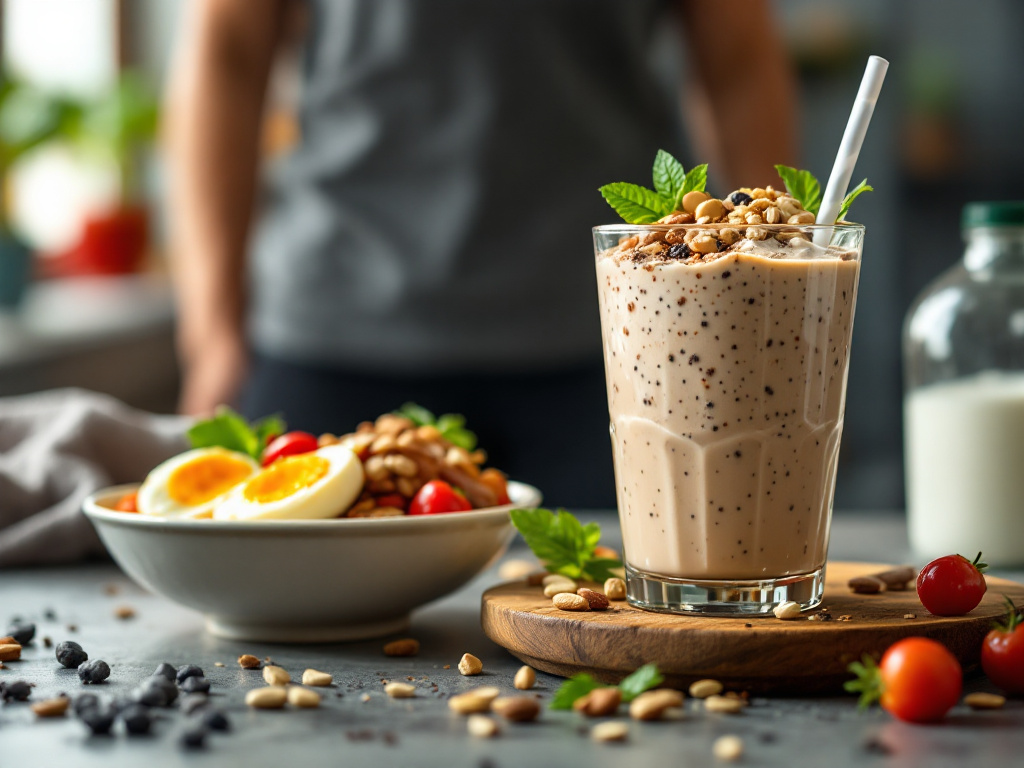
- A whey protein shake with a banana
- Greek yogurt with a small amount of oats or berries
- A smoothie with protein powder and fruit
Faster digesting protein and simple carbs in this window help you avoid feeling too full while still providing energy and amino acids (Healthline).
As you get closer to your workout time, shift from heavier, mixed meals toward lighter, easier to digest protein and carb combinations.
Protein and training style: strength vs cardio
Your ideal protein intake before workout also depends on what you are about to do. Strength focused sessions and cardio heavy days put slightly different demands on your body.
Strength and hypertrophy training
For lifting, resistance circuits, or CrossFit style sessions, pre workout protein plays a bigger role. Strength training rapidly breaks down muscle protein, so your body needs a steady supply of amino acids for repair and growth (Verywell Fit).
Guidelines from sports nutrition experts suggest:
- A moderate pre workout meal including protein a couple of hours before you lift helps support muscle energy and performance (UCLA Health).
- Protein intake of around 20 to 40 grams in that window can support muscle growth and recovery when layered on top of a high protein day overall (Earth Fed Muscle).
If you are chasing strength or size, it is worth being a bit more deliberate about your pre workout protein, simply because your training is constantly tearing down muscle fibers.
Cardio and endurance workouts
For running, cycling, or high intensity interval training, carbohydrates pull more weight in your pre workout meal. You want enough fuel for energy and endurance and you also want to avoid stomach issues.
Research on endurance shows:
- Co ingesting protein with carbohydrates before or during exercise improves endurance performance more than carbohydrates alone. One meta analysis found a moderate improvement in measures like time to exhaustion and average running speed when protein and carbs were combined (Frontiers in Nutrition).
- Protein intake before workouts can significantly increase muscle glycogen, which is important for long duration performance (Frontiers in Nutrition).
In practice, this means you do not need huge amounts of protein before a cardio session, but including a moderate amount alongside carbs can support performance and recovery. Think yogurt with fruit before a long run or a shake with some sports drink before a long ride.
Before vs after: what matters more?
You might still wonder if you should prioritize protein intake before workout or after you finish. The answer is that both can work, and what really matters is your full day.
- Studies show that consuming around 25 grams of whey protein either immediately before or immediately after resistance training leads to similar gains, as long as total daily intake is high enough, roughly 1.6 grams per kilogram or more (Frontiers in Nutrition).
- Reviews of multiple trials find no meaningful difference in strength or muscle size when protein is taken right before versus right after exercise, once you control for how much protein people eat over the day (Healthline, Journal of the International Society of Sports Nutrition).
- The classic idea of a very short 30 minute anabolic window is outdated. Protein consumed a few hours before or after training seems to stimulate muscle protein synthesis in a similar way (Healthline, Earth Fed Muscle).
So if your schedule makes it easier to drink a shake after your session instead of before, you are not missing out. The best choice is the one you can repeat consistently while hitting your daily protein target.
Putting it into practice
To make protein intake before workout part of your routine, start simple and adjust based on how you feel.
You can use a straightforward plan like this as a starting point:
- Set a daily protein goal based on your body weight and training, for example 1.6 grams per kilogram if you are strength training regularly.
- If you train within 2 to 3 hours of a main meal, include at least 20 to 40 grams of protein in that meal along with some carbs.
- If you train first thing in the morning or several hours after your last meal, have a lighter snack 45 to 90 minutes before, such as a shake with fruit or yogurt with oats.
- For hard lifting or CrossFit sessions, lean a bit more on protein before workout. For longer cardio, focus on carbs but keep some protein in the mix.
- Pay attention to comfort. Adjust the size and timing of your meal if you feel sluggish, overly full, or hungry during training.
You do not need a perfect pre workout routine to make progress. If you consistently eat enough protein each day and pair it with smart training, fine tuning when you have it simply becomes a way to feel and perform a little better every time you walk into the gym.
About the Author