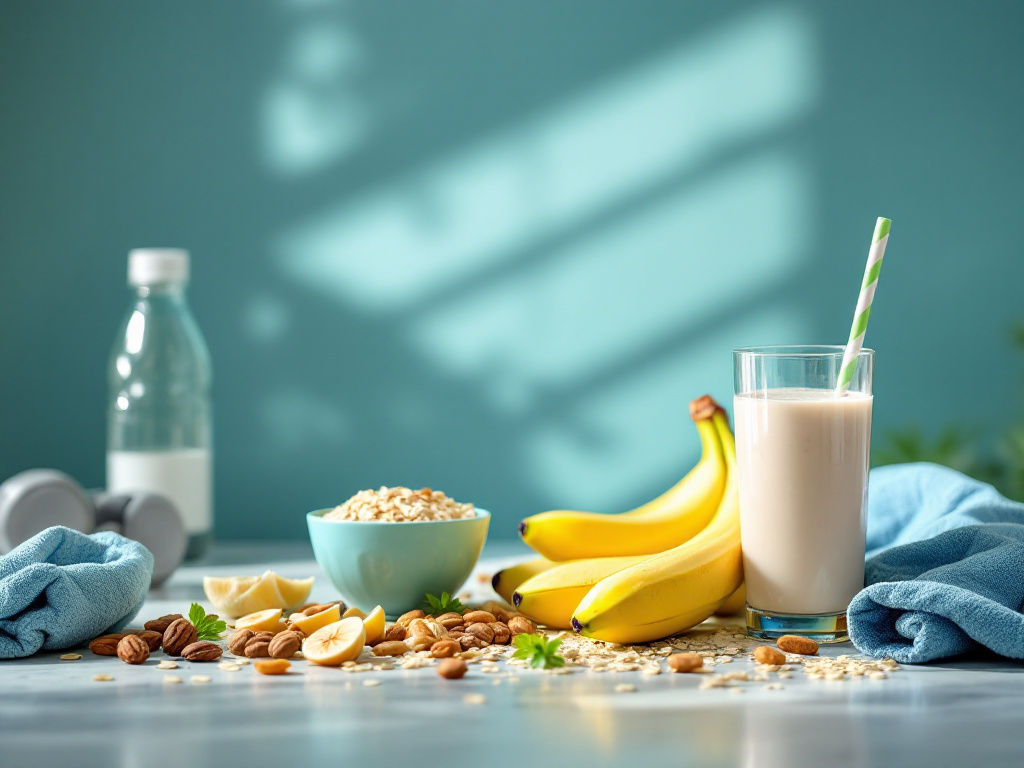
Image by Flux
A good workout starts before you pick up a weight or lace your shoes. What you eat in the hour or two before training can be the difference between feeling strong and focused or slogging through every set. The right healthy pre-workout foods keep your energy steady, support muscle performance, and help you recover faster afterward.
Below, you will find practical, science-backed guidance on what to eat, when to eat it, and how to match your pre-workout snacks to your training style.
Why pre-workout nutrition matters
You might be able to power through a short workout on willpower alone, but your body still runs on fuel. Carbohydrates are your main source of quick energy, especially once your heart rate climbs. The International Society of Sports Nutrition notes that eating carbs before exercise boosts performance in longer or more intense sessions by increasing the glycogen stored in your muscles and helping your body use it efficiently for energy (Healthline).
Protein also plays a key role. Eating protein before training can increase muscle protein synthesis, which supports muscle growth, limits damage, and promotes recovery so you come back stronger next time (Healthline). A small amount of healthy fat can round out your meal, but you do not want too much right before your workout because it digests slowly and can sit heavily in your stomach.
Hydration is another part of the picture. Drinking water and some sodium in the hours before you exercise helps you maintain fluid balance and can improve performance, especially in the heat (Healthline).
In short, a smart pre-workout plan combines carbs for fuel, protein for muscles, and fluids for optimal function.
Time your pre-workout meal or snack
You do not need a full meal before every workout. The right portion and timing depend on how far you are from your session and how long or intense it will be.
2 to 3 hours before your workout
If you have a longer window, aim for a balanced meal with:
- Complex carbohydrates for steady energy
- Lean protein for muscle support
- A small amount of healthy fat
Research suggests this kind of complete meal eaten 2 to 3 hours before exercise can help you perform at your best because it tops up glycogen and gives your body time to digest (Healthline).
You might choose:
- Grilled chicken, brown rice, and mixed vegetables
- A turkey sandwich on whole grain bread with a piece of fruit
- Oatmeal with Greek yogurt and berries
Healthy pre-workout foods like potatoes, whole grains, and oatmeal are especially good at this time since their fiber and complex carbs provide long lasting energy when eaten a bit further from your session (Healthline).
1 to 1.5 hours before your workout
As you get closer to your training time, you want something smaller and easier to digest. At this point, a snack that focuses on carbs with some protein, and low in fat and fiber, is ideal. This approach helps you avoid stomach issues while still boosting your energy and performance (Healthline).
Baylor Scott & White Health recommends a pre-workout snack 30 to 60 minutes before exercise that fits this profile: mainly carbohydrates, a bit of protein, and not too heavy (Baylor Scott & White Health).
Good options include:
- Whole grain toast with a thin layer of nut butter
- A small yogurt parfait with fruit
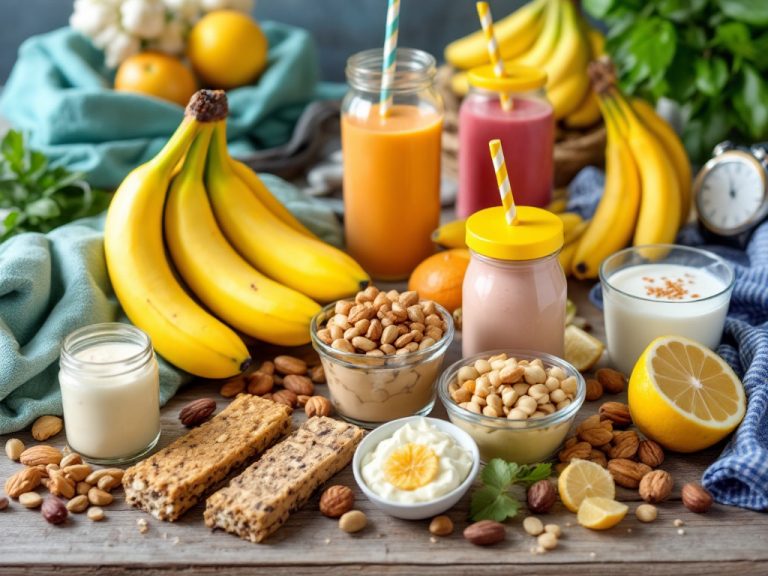
- A banana with a spoonful of peanut butter
30 minutes or less before your workout
If you are very close to your workout, keep it light. Think fast digesting carbs with just a touch of protein if your stomach tolerates it.
A simple snack could be:
- A piece of fresh fruit like an apple, banana, or orange about 30 minutes before exercise, which provides 15 to 20 grams of easy to digest carbohydrates for quick energy (Abbott Nutrition News)
- A small handful of crackers
- Half of a fruit smoothie
If you are prone to stomach discomfort, stick to carbs and avoid heavy fats right before you move.
Rule of thumb: the closer you are to your workout, the smaller and simpler your food should be.
Match your food to your workout type
Not every workout places the same demands on your body. Your best pre-workout foods will change slightly depending on whether you are focusing on cardio, lifting, or flexibility work.
For cardio and HIIT sessions
Running, cycling, and high intensity interval training rely heavily on carbohydrates. For these workouts, you want your glycogen tank full so you do not hit a wall halfway through.
For cardio that lasts 60 to 90 minutes or longer, aim for a small meal or snack with 15 to 75 grams of carbohydrates plus some protein 1 to 3 hours before exercise (Healthline). UCLA Health also recommends a moderate sized meal well before your workout and then a last minute snack to keep your power up, while avoiding foods high in fat and fiber which can upset your stomach while you move (UCLA Health).
You might try:
- A packet of instant oatmeal about an hour before your run, which offers 19 to 27 grams of carbohydrates. Adding a banana or dried fruit can boost energy further, and pairing it with nonfat milk or soy milk adds fluids and calories that are useful for longer sessions (Abbott Nutrition News)
- A small fruit smoothie made with frozen berries, Greek yogurt, soy milk, and a bit of honey. This provides hydration, 41 grams of carbs, and polyphenols that may help reduce inflammation and support recovery (Abbott Nutrition News)
- Whole grain crackers with nonfat milk 2 to 3 hours beforehand, which gives you 33 grams of carbs, minimal fat, and sodium to replace electrolytes lost in sweat (Abbott Nutrition News)
For shorter high intensity cardio sessions of 30 to 45 minutes, your muscles usually have enough stored glycogen. Still, consuming 15 to 75 grams of carbs 30 to 60 minutes before can help you perform at your best (Healthline).
For strength training and muscle gain
If you are lifting weights or doing resistance training, a mix of carbs and protein before you start will help you push harder and rebuild muscle afterward.
According to Healthline, strength training benefits from a pre-workout meal or snack with both carbs and protein eaten 1 to 3 hours before your session, because it provides energy and supports muscle growth and recovery (Healthline). Protein intake across the day also matters. If your goal is muscle growth, you should aim for around 0.6 to 0.9 grams of protein per pound of body weight per day, and your pre-workout snack can contribute to that total (Healthline).
Strong choices include:
- Part skim ricotta on whole grain cinnamon raisin toast about an hour before training, which gives you 24 grams of carbohydrates and 20 percent of your daily calcium. This supports muscle contraction and energy production (Abbott Nutrition News)
- Greek yogurt with a handful of granola and berries
- A small chicken and rice bowl with vegetables 2 to 3 hours before hitting the gym
UCLA Health also notes that pre-workout foods for strength training should focus on fueling your muscles to handle the stress of lifting and to maximize performance (UCLA Health).
For yoga, mobility, and light sessions
For flexibility based workouts like yoga, Pilates, or stretching, you do not need as many carbs as you do for HIIT, but you still want to avoid feeling lightheaded or overly full.
UCLA Health suggests that pre-workout foods for these activities should support comfort and strength with an emphasis on hydration (UCLA Health).
You can keep it simple with:
- A small serving of vegetables with hummus
- A piece of fruit
- String cheese or a light yogurt
If your workout is low intensity and lasts less than an hour, the American Diabetes Association notes that you usually do not need a special post-workout meal, as long as you are eating whole foods regularly throughout the day (American Diabetes Association). The same idea applies before your session. A light snack and good hydration are often enough.
Morning workouts and fasted training
If you prefer to work out first thing in the morning, your body has just gone several hours without food. Your blood sugar may be low, which can make intense exercise feel harder.
Eating a small snack with carbs and some protein before a morning workout can raise your blood sugar and provide energy for better performance (Healthline). Examples include:
- Half a banana with peanut butter
- A few whole grain crackers with cheese
- A small yogurt with fruit
On the other hand, some men like fasted workouts, especially when their goals include fat loss. The American Diabetes Association notes that exercising about three to four hours after eating can increase how much body fat you burn, since your body turns to fat once the easier fuel from recent meals is gone (American Diabetes Association).
If you choose to train on an empty stomach, pay attention to how you feel. You might tolerate light cardio just fine but struggle with heavy lifting or long intervals. If you feel dizzy, weak, or unable to hit your usual effort, experiment with a small snack and see if your performance improves.
Hydrate for better performance
Hydration is easy to overlook, but it is one of the quickest ways to feel better in the gym. Dehydration can reduce endurance, strength, and focus.
Guidelines highlighted by Healthline recommend drinking fluids slowly at least 4 hours before exercise. If your urine is dark or you know you will be sweating heavily, you may need more water and some sodium to support fluid balance and performance (Healthline).
UCLA Health also emphasizes that drinking plenty of water or a sports drink before workouts helps your muscles function at their best regardless of your workout type (UCLA Health).
Aim to:
- Sip water consistently throughout the day
- Have a glass of water with your pre-workout meal or snack
- Add a pinch of salt or an electrolyte drink if you train in hot conditions or sweat heavily
You do not need to overdo it, but you do want to start your workout already hydrated, not trying to catch up.
Simple pre-workout snack ideas to try
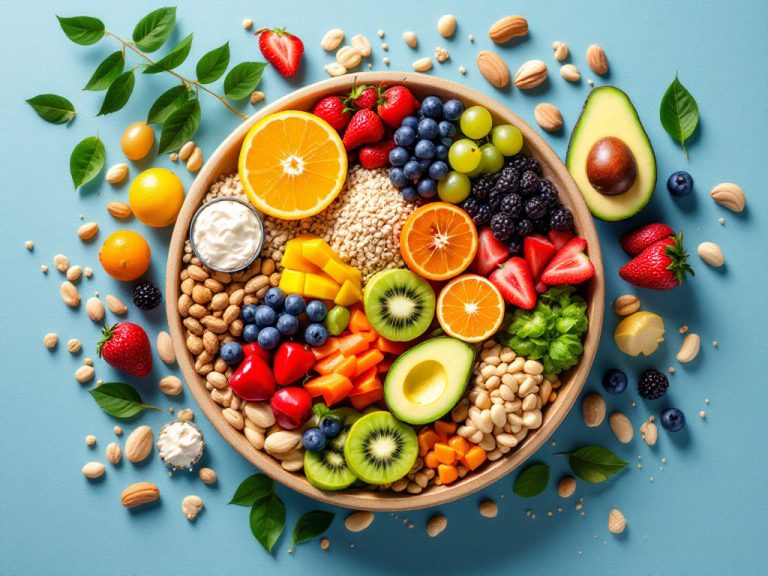
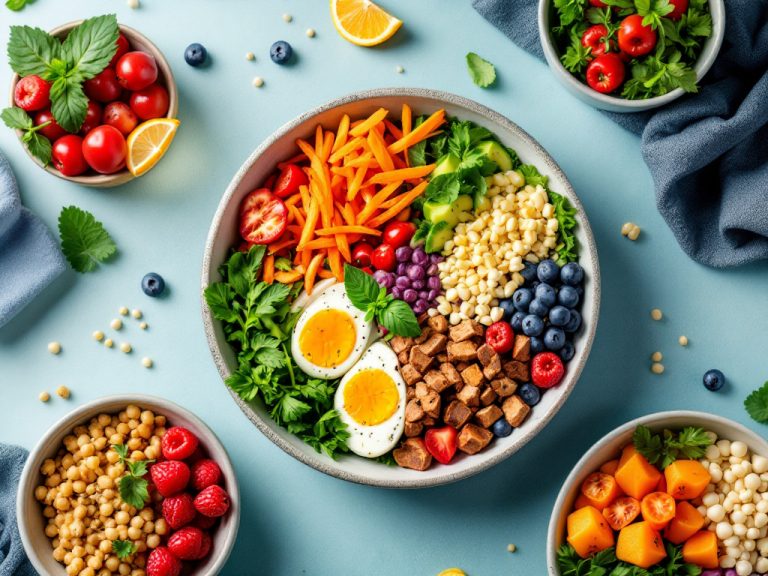
To make all of this more practical, here are some straightforward healthy pre-workout foods you can plug into your day. These follow the general rule of easy to digest carbs, a bit of protein, and limited fat and fiber when eaten close to your session:
- Fruit with a small serving of nuts or nut butter
- Greek yogurt with a drizzle of honey
- Whole grain toast with a thin spread of peanut butter
- Instant oatmeal with sliced banana
- Whole grain crackers with low fat cheese
- A small fruit smoothie with yogurt and milk
Baylor Scott & White Health suggests options like yogurt parfaits, energy bites, and simple smoothies that you can prep ahead so you are not scrambling right before the gym (Baylor Scott & White Health).
If you train later in the day, remember that your earlier meals also affect how you feel. Focus on mostly whole foods every four to five hours so you are not relying on one snack to do all the work (American Diabetes Association).
Putting it all together
You do not need a complicated plan or special products to fuel your workouts. If you focus on healthy pre-workout foods that supply carbohydrates for energy, protein for muscle support, and adequate hydration, you will notice a difference in how strong and steady you feel.
Start with one small change, like adding a banana and yogurt an hour before your next lifting session, or having oatmeal and berries before a long run. Pay attention to your energy, your performance, and how quickly you recover. Then adjust your timing and choices until you find the pre-workout routine that fits your body and your training goals.
About the Author